6 Nations Unite to Save Amazon's Giant Migratory Catfish
Brazil, Bolivia, Colombia, Ecuador, Peru, and Venezuela are joining forces on a groundbreaking plan to protect two massive catfish species that feed millions and keep the Amazon's rivers healthy. It's the first time South American nations have coordinated this way to save fish that swim thousands of miles across borders.
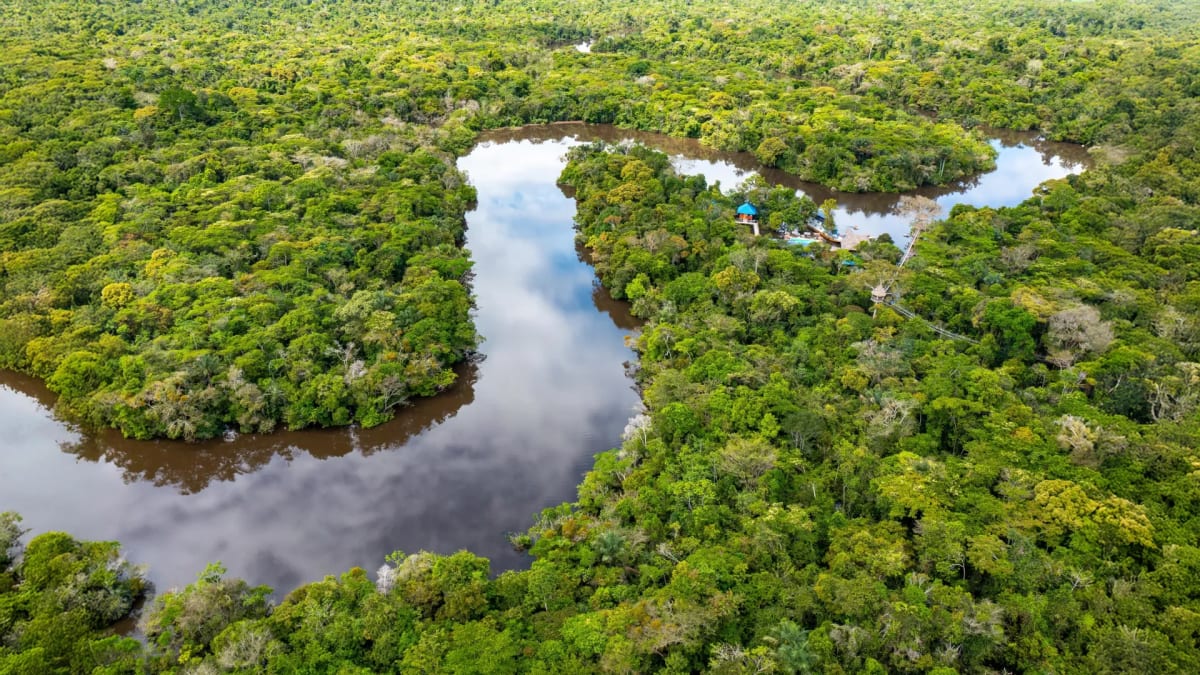
Six South American countries are making history with a plan to save two enormous catfish species that travel thousands of miles through the Amazon basin and feed millions of people.
The laulau and gilded catfish can each grow to hundreds of pounds and provide essential protein across Brazil, Bolivia, Colombia, Ecuador, Peru, and Venezuela. Now those nations are proposing a five-year action plan that would create protected migration corridors, establish fishing rules, and launch joint monitoring programs across their shared rivers.
"These fish don't recognize borders, they migrate thousands of kilometers across many nations in this region, and that's exactly why this type of action plan is so important," says Michele Thieme, deputy lead of freshwater for the World Wildlife Fund. The landmark agreement is up for approval this week at a United Nations convention on migratory species in Brazil.
The timing couldn't be more urgent. Migratory freshwater fish populations have dropped 81 percent worldwide since 1970, according to the first global review of these species in 15 years. Researchers identified 325 freshwater fish species with major ecological, economic, and cultural value that need protection now.
The two Amazon catfish are among 20 species in the region with "unfavorable conservation status," even though they contribute to the Amazon's $436 million annual migratory fish economy. These fish aren't just food. They're what Thieme calls "indicators and engineers of river health," meaning when their numbers crash, it signals bigger problems with the whole ecosystem.
The Ripple Effect
This collaboration could change how the world protects shared waters. Only one-fifth of the 153 countries that share waterways have significant agreements with their neighbors to manage those resources together, even though cross-border lakes and rivers account for 60 percent of the world's freshwater.
The Amazon agreement shows what's possible when nations choose cooperation over going it alone. A similar partnership just happened in Washington state, where Seattle's public utility and three tribes agreed to renew hydropower dam licenses only if salmon recovery and habitat restoration get equal priority with renewable energy.
The global freshwater fish market is expected to reach $241 billion by 2031, proving that protecting these species makes economic sense. But the real win is recognizing that healthy fish populations mean healthy rivers, and healthy rivers sustain entire communities across borders.
If approved, the Amazon plan could become a model for protecting migratory species in the Mekong, Nile, and other rivers where nations share waters but haven't yet shared responsibility for what lives in them.
More Images


Based on reporting by Google: cooperation international
This story was written by BrightWire based on verified news reports.
Spread the positivity!
Share this good news with someone who needs it