6 Rajasthan Crafts Win Heritage Status in India
Six traditional products from Rajasthan just earned official heritage recognition, protecting centuries-old crafts that sustain thousands of artisans. From 450-year-old hand-printed fabrics to royal spice recipes, these traditions are getting the spotlight they deserve.
When a craft survives for 400 years, it's not just about pretty objects. It's about entire communities keeping their heritage alive against all odds.
Rajasthan's traditional products just earned Geographical Indication tags, India's official seal that protects regional crafts and foods. These six winners represent centuries of skill passed down through families who refused to let their traditions fade.
Bikaneri Bhujia traces back to 1877, when royal chefs in Bikaner's palaces perfected a snack recipe using moth beans and gram flour. The desert's dry climate, saline water, and local longi mirch peppers give it a taste you can't replicate anywhere else. What started in palace kitchens now feeds millions and employs thousands.
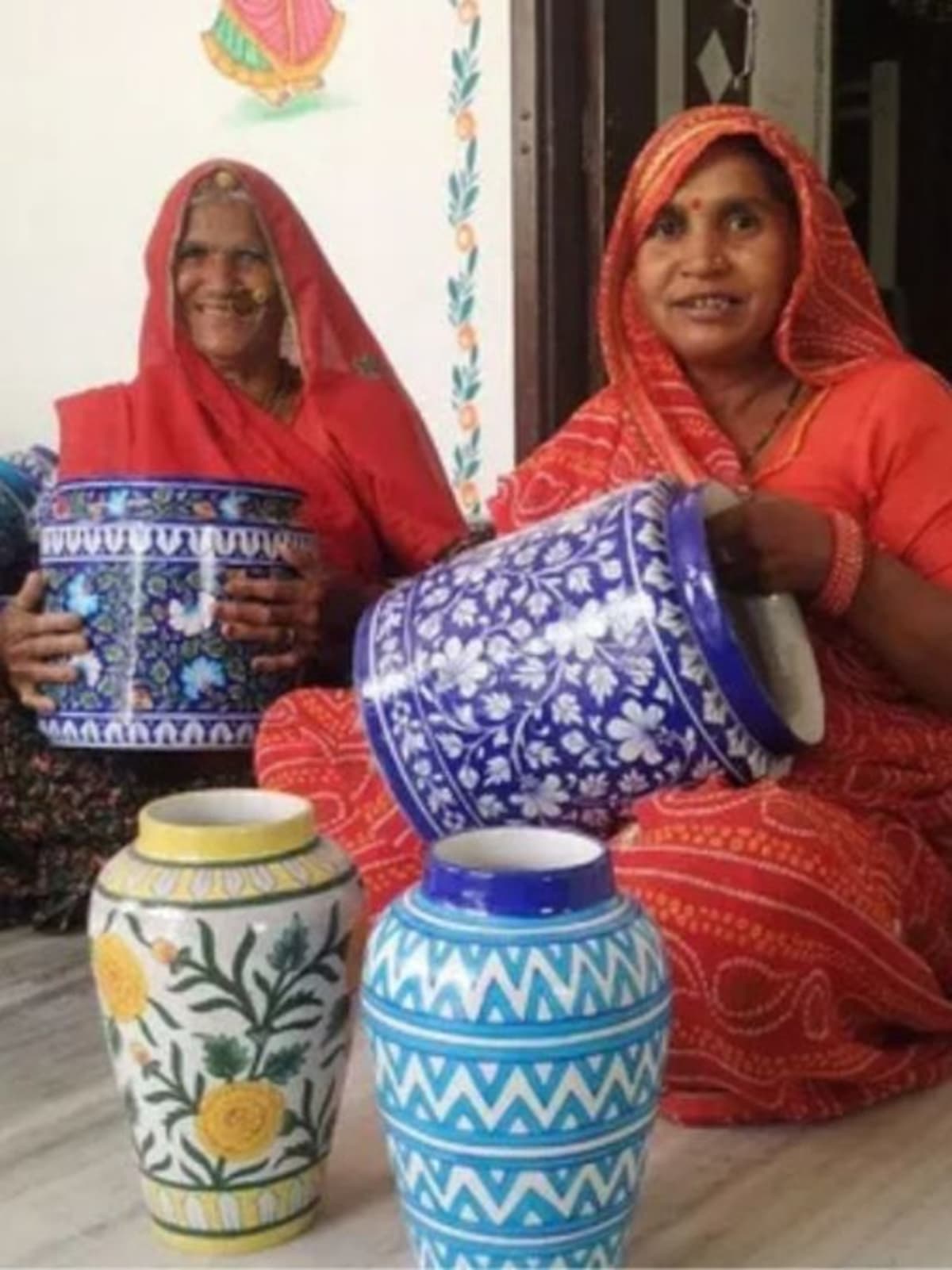
Blue pottery arrived in the 19th century and nearly disappeared until the Jaipur School of Art revived it. Artisans craft each piece from quartz and glass, hand-painting intricate flowers and geometric patterns on that signature blue base.
The Chhipa community has been creating Bagru print for over 450 years in the village of Bagru. They carve wooden blocks by hand, then print fabrics using natural dyes from madder, indigo, and pomegranate. Every piece takes days of soaking and sun-drying.
Thewa art goes back 400 years to Pratapgarh, where Soni goldsmiths hand-punch delicate scenes of royalty and mythology into gold sheets. They fuse the gold with colored glass to create jewelry that tells stories.
Sangri comes from the khejri tree pods in the Thar Desert, sun-dried and cooked into ker sangri, a nutrient-rich dish that has sustained desert communities for generations. Meanwhile, Sojat Mehendi grows in soil that makes it 2% more pigmented than regular henna, prized for its deep color.
The Ripple Effect
These heritage tags do more than honor the past. They protect recipes, techniques, and designs from being copied or lost. They help artisans command fair prices for their work. They give young people reasons to learn ancestral crafts instead of abandoning them for cities.
When a community's craft gets recognized, tourism follows. Workshops open. International buyers take notice. A weaver's daughter sees her mother's work valued and decides to learn the family trade.
Six products, six communities that kept their traditions alive long enough to see the world finally pay attention.
Based on reporting by The Better India
This story was written by BrightWire based on verified news reports.
Spread the positivity!
Share this good news with someone who needs it