6 Students Bring Solar Power to Remote Peruvian Village
A remote Peruvian community just got electricity for the first time ever, thanks to six university students who refused to let a pandemic stop their mission. Now 40 families can respond to emergencies, connect with loved ones, and access opportunities they never had before.
For families in Alto Mishagua, Peru, accessing the internet meant an eight-hour boat journey that burned through 10 gallons of fuel. No electricity meant no phones, no emergency communication, and no connection to essential services most of us take for granted.
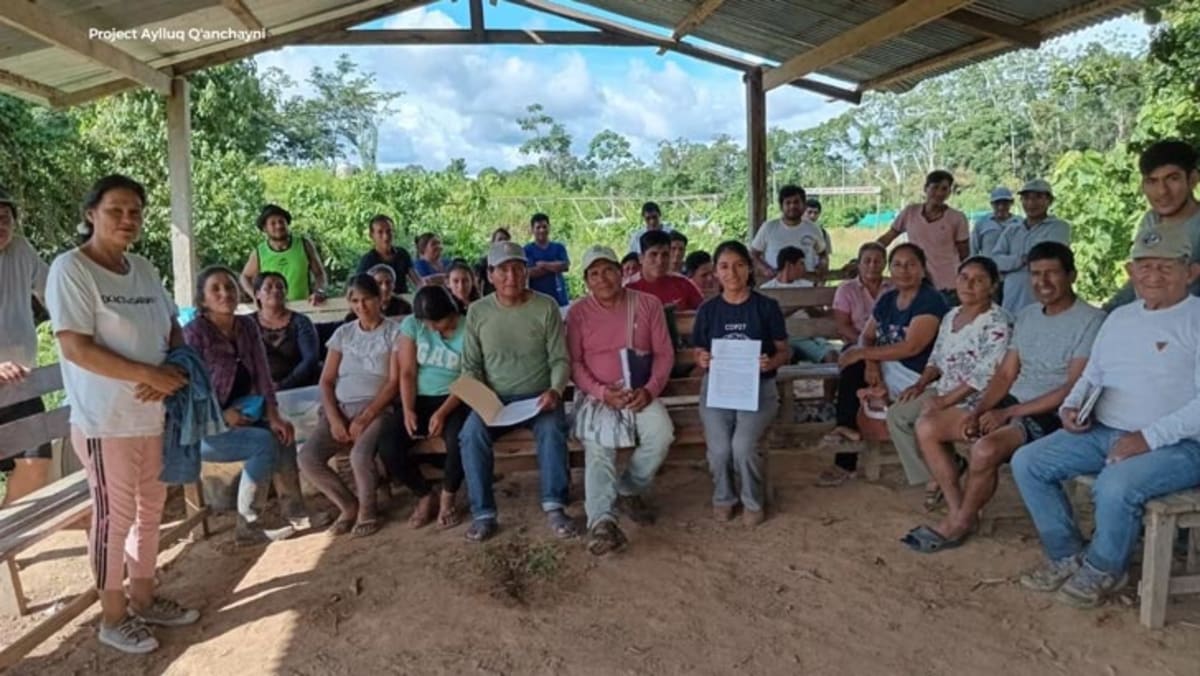
That changed when six students from the Federal University for Latin American Integration decided to act. In 2020, while COVID-19 shut down campuses worldwide, they launched Aylluq Q'anchaynin, meaning "the energy of the community" in Quechua.
Their target was Alto Mishagua Rural Settlement, a borderland community so remote it has no roads, healthcare facilities, or power lines. About 30% of rural Amazonian neighborhoods in Peru lack electricity, forcing families to burn wood or run expensive diesel generators.
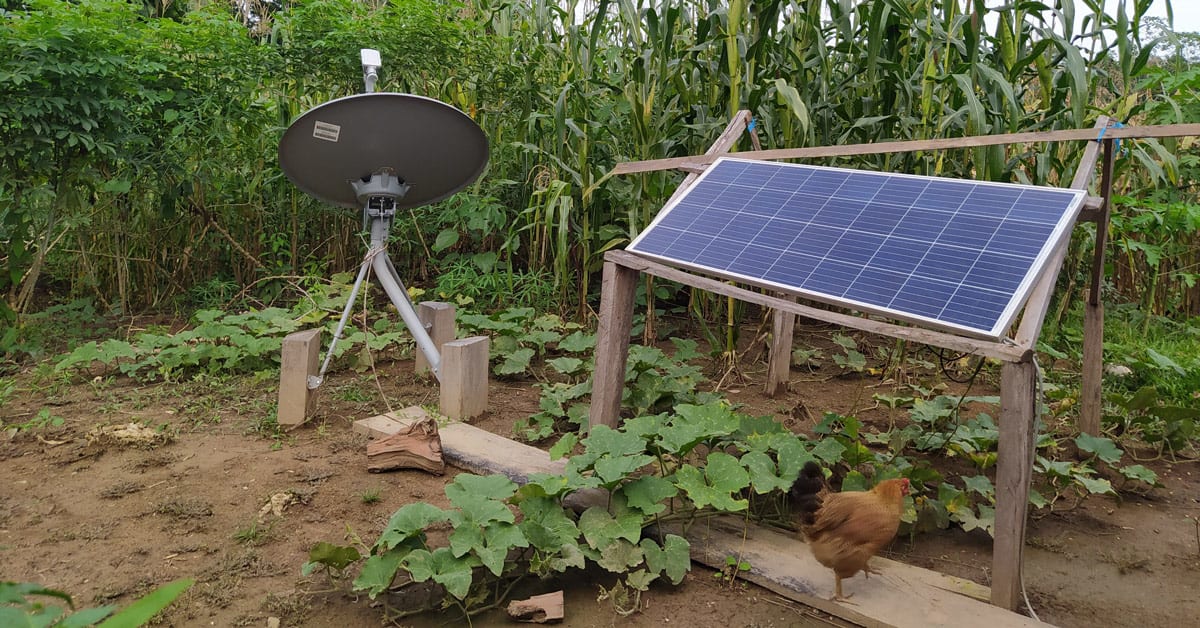
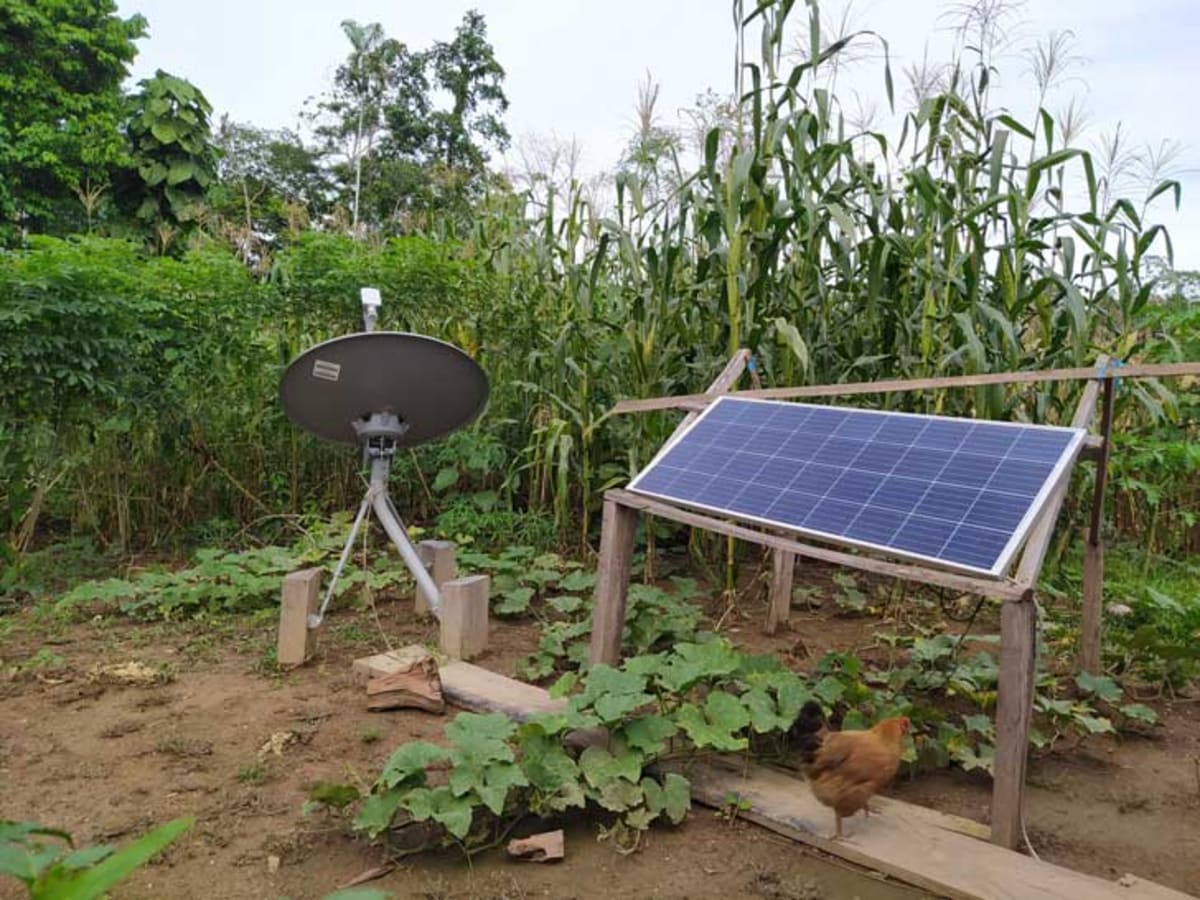
The students started small during the pandemic, installing a satellite internet connection powered by a tiny solar system. Residents could finally charge phones and flashlights without that grueling boat trip.
Then they went bigger. The team installed complete solar energy systems for all 40 households in the settlement, transforming daily life overnight.
"Our idea was to be independent and promote the autonomy and self-management of the energy and communication systems," project leader Roxana Borda Mamani told The Guardian. The students designed the system so the community could maintain it themselves.
The Ripple Effect
Access to electricity means more than convenience for Alto Mishagua. Families can now call for help during medical emergencies instead of waiting hours for a boat. Students can study after dark and access online education. Small businesses can operate with reliable power, strengthening the local economy.
The environmental impact matters too. By replacing diesel generators and wood-burning stoves with clean solar energy, the community reduced both pollution and costs.
"For us, fighting climate change means more than just resisting it. It means finding solutions, exploring alternatives, and transforming our way of life," Borda wrote for the United Nations.
The students aren't stopping with one village. They're working to bring solar power to more remote Indigenous communities across Peru's Amazon and Andes regions, proving that young people with determination can light up the world, one community at a time.
More Images

Based on reporting by Good Good Good
This story was written by BrightWire based on verified news reports.
Spread the positivity!
Share this good news with someone who needs it