6-Year Galaxy Study Confirms Our Universe Theory Holds True
Scientists just finished mapping 669 million galaxies over six years, and the good news is our understanding of how the universe works passed the test. The Dark Energy Survey reveals our cosmic models are on track, even as they point toward exciting new mysteries to solve.
After six years of scanning the night sky, astronomers have delivered encouraging news: our best theory about how the universe works is holding strong.
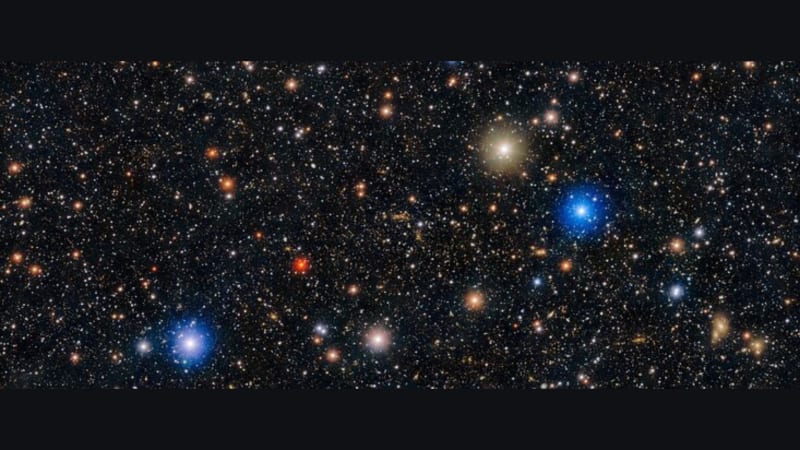
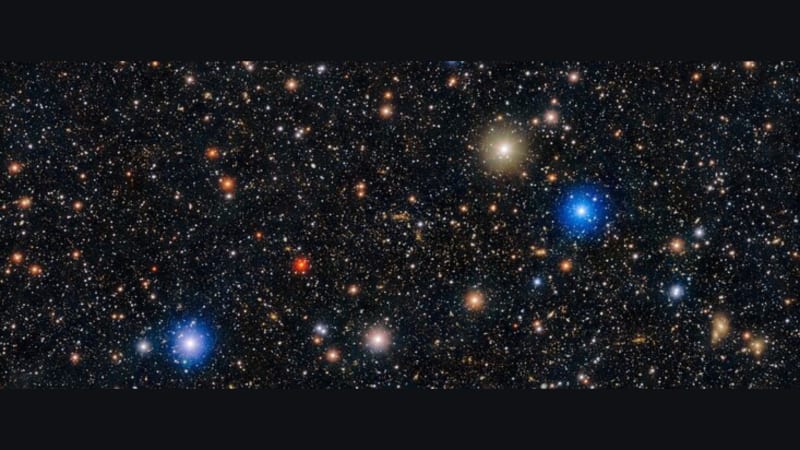
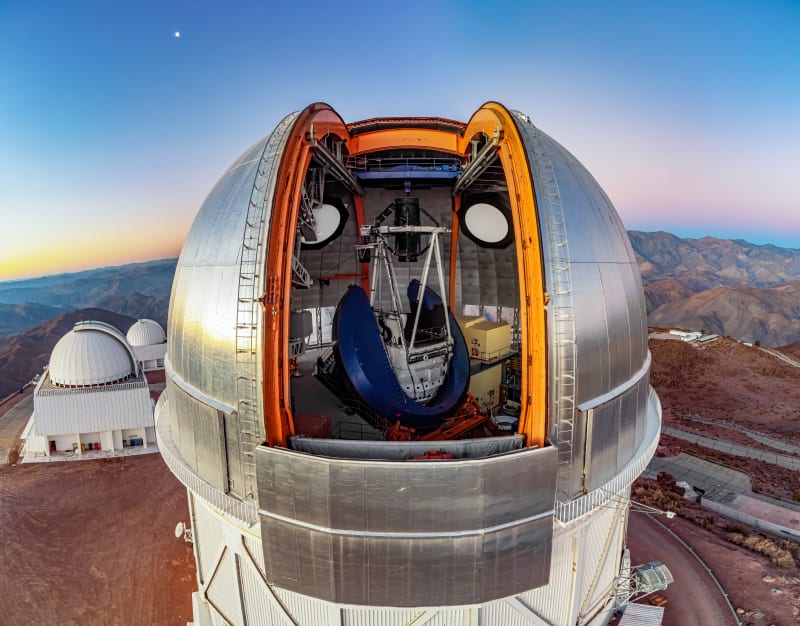
The Dark Energy Survey used the Victor M. Blanco Telescope in Chile to observe 669 million galaxies across one-eighth of the sky. Scientists combined four different measurement techniques to create the most detailed picture yet of how the universe has been expanding over time.
The results align beautifully with what's called the standard model of cosmology, which describes how dark energy drives the universe to expand faster and faster. Dark energy makes up about 70% of everything in the universe, yet remains one of science's biggest puzzles.
"It is an incredible feeling to see these results based on all the data," said astronomer Yuanyuan Zhang from the National Science Foundation's NOIRLab. "This was something I would have only dared to dream about when DES started collecting data, and now the dream has come true."
The survey tightened our understanding of cosmic expansion about twice as much as previous studies. Researchers used multiple cosmic markers including exploding stars, galaxy clusters, and the way gravity bends light across space to verify their findings.
Why This Inspires
This story shows science working exactly as it should. Instead of throwing out decades of research, the new data confirms we've been on the right track while pointing toward even deeper questions to explore.
The work didn't just validate one theory. The data fit equally well with an alternative model where dark energy's density changes over time, keeping both possibilities alive for future investigation.
There's still a puzzle piece that doesn't quite fit. Galaxy clustering patterns show slight differences from predictions, though not enough to overturn existing theories. That gap represents future discoveries waiting to happen.
The Department of Energy's Regina Rameika celebrated how long-term scientific investment pays off. "They demonstrate how combining multiple types of analysis can provide insight into some of the Universe's biggest mysteries," she said.
Next up, the team will partner with the new Vera C. Rubin Observatory in Chile to dig even deeper into dark energy's secrets. Each answer opens doors to new questions about our cosmic home.
The universe just told us we're asking the right questions.
More Images


Based on reporting by Live Science
This story was written by BrightWire based on verified news reports.
Spread the positivity!
Share this good news with someone who needs it