60 Nations Make Progress on Fossil Fuel Exit in Colombia
Nearly 60 countries gathered in Colombia to accelerate the global transition away from fossil fuels, creating concrete solutions after UN climate talks stalled. The breakthrough meeting shows nations refusing to wait for consensus when the planet's future is at stake.
Sixty nations just proved that when the official process stalls, determined countries can forge their own path forward on climate action.
Ministers and envoys from tiny Pacific islands to European powers met in Santa Marta, Colombia on April 29 to tackle what UN climate summits have failed to address head-on: ending our dependence on fossil fuels. The voluntary gathering came after COP30 in Brazil couldn't even include an explicit reference to fossil fuels in its final agreement.
The conference delivered real results. Nations created an expert panel of world-renowned climate scientists to help governments plan their transitions, particularly developing countries that depend on oil and gas revenue. Colombian Environment Minister Irene Velez Torres celebrated the breakthrough, noting that future generations will remember this moment when nations came together "to talk about the challenges and the taboos."
The gathering gained unexpected urgency from the Middle East crisis, which exposed how fossil fuel dependence threatens both climate stability and energy security. While some nations scrambled to plug supply gaps with more fossil fuels, the Santa Marta participants focused on long-term solutions.
Attendees ranged from wealthy producers like Australia, Canada and Norway to developing oil giants like Angola and Brazil. Climate-threatened Tuvalu and Ireland will co-host next year's conference, signaling that the momentum will continue.
The relief was palpable. Many delegates spoke about escaping the grueling UN consensus process that requires agreement from nearly 200 nations. German Environment State Secretary Jochen Flasbarth described "a very good atmosphere" and called it "a new beginning or a wake-up call."
The Ripple Effect
This breakthrough shows how determined nations can create change even when global consensus proves impossible. By bypassing the stalled UN process, these 60 countries demonstrated that progress doesn't require everyone to agree at once.
The expert panel they created will help countries worldwide navigate their own transitions, sharing knowledge and strategies that make the shift away from fossil fuels more achievable. Developing nations stressed the importance of "phasing down" rather than abrupt shutdowns, acknowledging the need to protect jobs and state revenues during the transition.
Dutch Climate Minister Stientje van Veldhoven captured the spirit: "Everybody who is here is here because they want to move further than where they are right now, and they think that we can be stronger together."
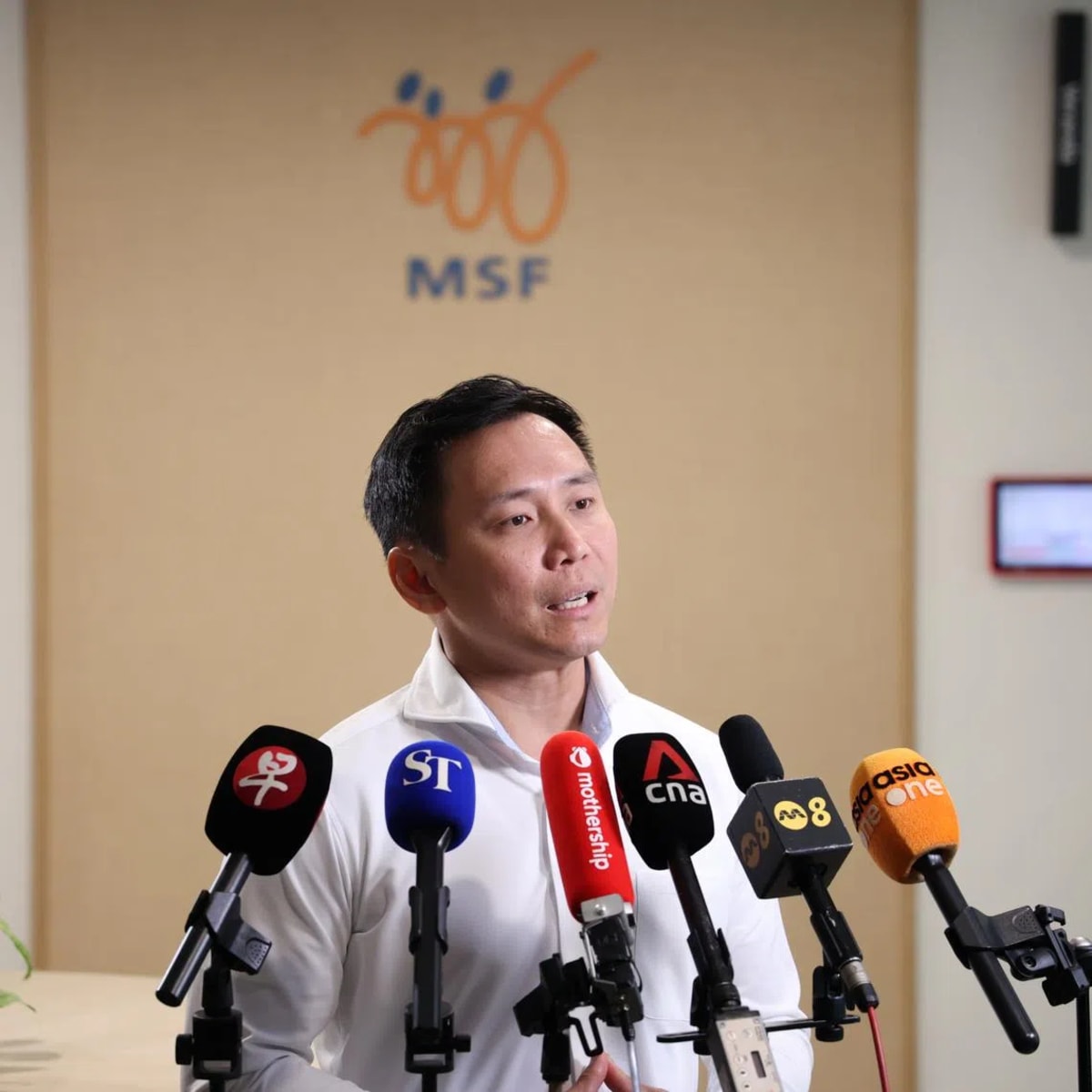
Singapore urged the international community to chart economically viable pathways toward clean energy for all countries, recognizing that the transition must work for everyone.
The road ahead remains challenging, especially for nations dependent on fossil fuel revenue. But Santa Marta proved that when official channels fail, determined countries will find another way forward together.
More Images



Based on reporting by Google News - Colombia Progress
This story was written by BrightWire based on verified news reports.
Spread the positivity!
Share this good news with someone who needs it