600,000 Donors Let 3-Year-Old Lauren Play Like Other Kids
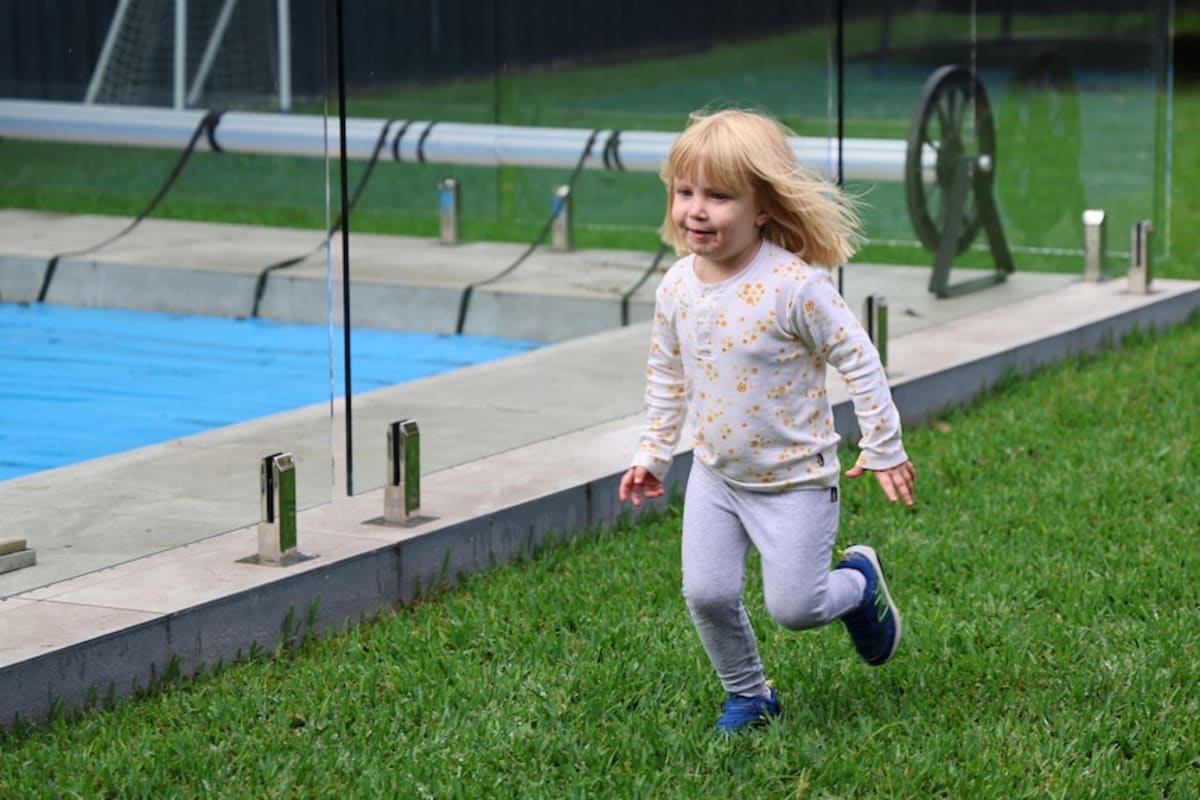
Three-year-old Lauren Zeller has a one-in-a-million bleeding disorder, but thanks to plasma donations from 600,000 Australians, she can finally run, jump, and tumble freely. Her parents can now watch her play without fear, all because strangers chose to donate blood.
Lauren Zeller bruised at the slightest touch and bled for hours when she started teething as a baby. Just before her first birthday, doctors diagnosed her with von Willebrand disease type 2B, a rare bleeding disorder that affects only one in a million people.
Every bump and fall sent her to the Queensland Children's Hospital emergency department. Her parents Clare and Rob, both doctors themselves, became helicopter parents who hovered with hands ready to catch their daughter before she could hurt herself.
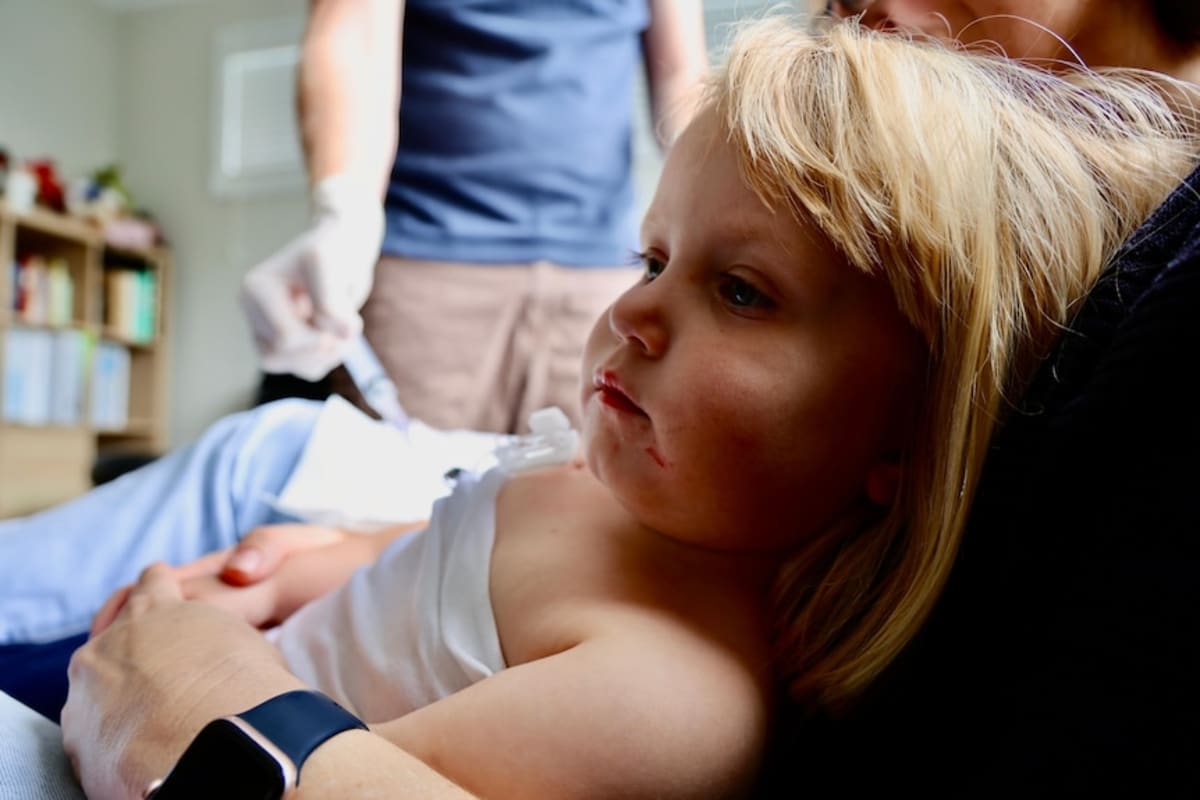
Everything changed earlier this year when Lauren received a port-a-catheter, allowing her parents to administer blood products at home three times a week. Each dose contains clotting proteins collected from the plasma of up to 50 donors.
"I don't really want to think about what would happen if we didn't have the blood products," Clare said. "They are life saving for her."
The regular treatments transformed their family life overnight. Lauren can now bounce on the trampoline while her mom watches without waiting for disaster to strike. She can rough and tumble with her brothers Harry, 8, and James, 6, like any other little girl.
"We can give her the freedom to become who she wants to be, running around exploring the world," Clare said. The family no longer chases behind Lauren with hands ready to catch every fall.
Dr. Sally Campbell, Lauren's haematologist at Queensland Children's Hospital, said the approach to treating bleeding disorders has shifted dramatically. Instead of telling young patients they can't play contact sports, doctors now ask "how can we do this safely, together?"
"There's a lot of inadvertent harm that you can do by restricting things too much," Dr. Campbell said. She encourages families to focus on what matters most to them rather than living in fear.
New treatments in development will make life even easier for patients like Lauren. Pharmaceutical companies are working on drugs that can be injected into fatty tissue, similar to insulin for diabetes, eliminating the need for a port-a-catheter.
Sunny's Take
Lauren is already showing the confidence and courage that regular treatment has given her. "I am brave," she announced recently as her dad administered her dose. Her father describes her laugh and smile as infectious, and says she's "full of beans and absolutely developing a whole lot of sass."
More than 600,000 Australian blood and plasma donors have given Lauren the gift of a normal childhood.
More Images


Based on reporting by ABC Australia
This story was written by BrightWire based on verified news reports.
Spread the positivity!
Share this good news with someone who needs it