62 Teams Race 24 Hours at Le Mans This Weekend
The world's most legendary endurance race kicks off in France this weekend, where everything from hybrid tech to advanced headlights gets tested at 200 mph. Billionaire tech founders are racing alongside professional drivers in a tradition dating back to 1923.
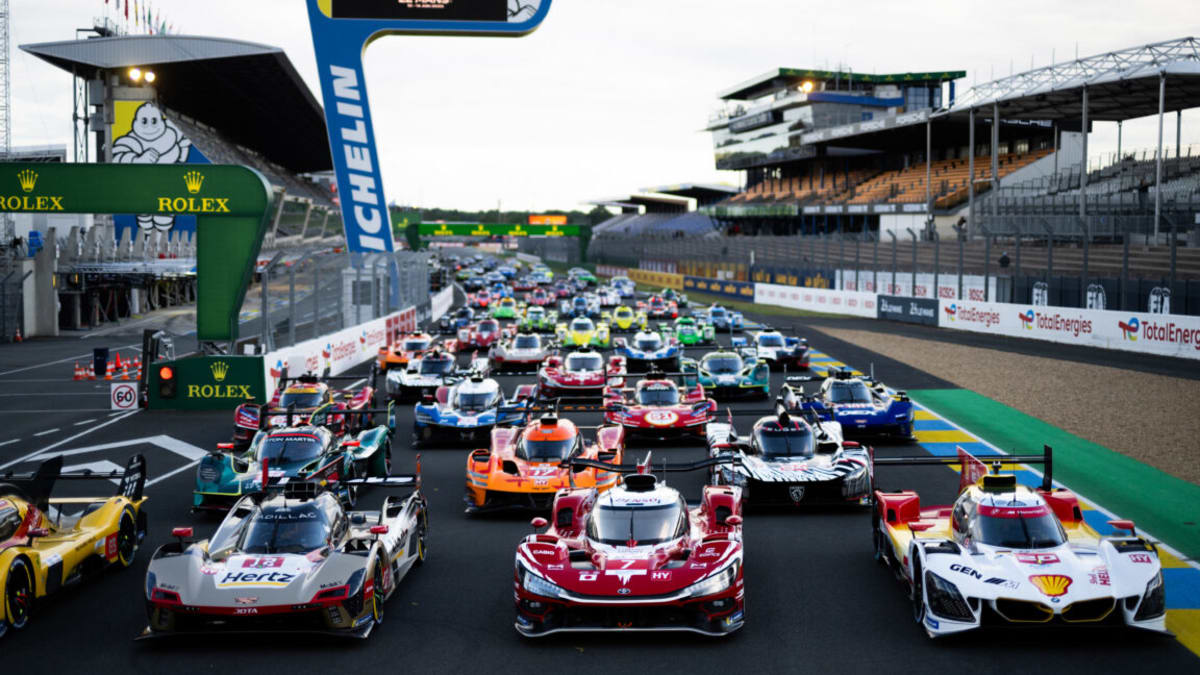
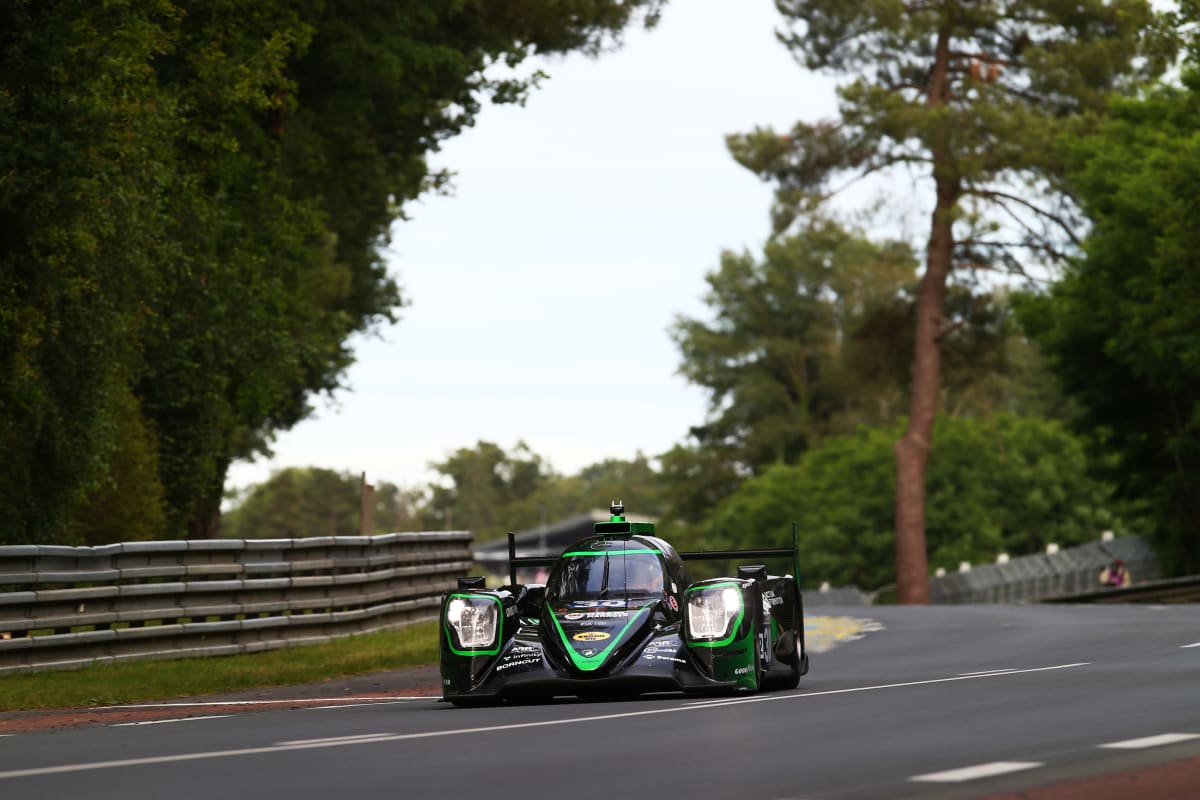
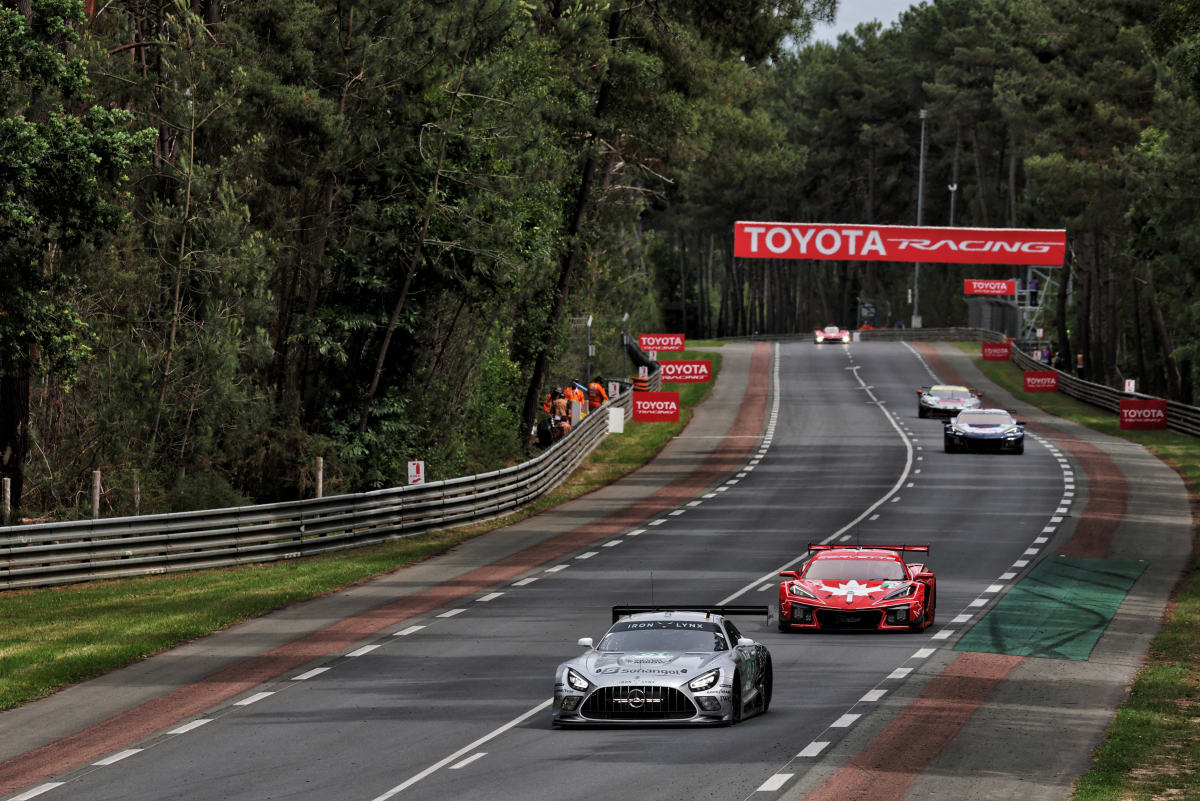
This weekend, 62 cars will tear through French countryside for 24 hours straight in one of motorsport's most grueling tests. The 24 Hours of Le Mans transforms quiet public roads into a high-speed proving ground where racing innovation becomes tomorrow's everyday technology.
Since 1923, Le Mans has been where automakers push their wildest ideas to the limit. The disc brakes in your car? They jumped from aerospace to consumer vehicles after proving themselves on this very track.
Today's race continues that legacy as companies like Porsche, Audi, and Toyota test hybrid systems, brake-by-wire technology, and cutting-edge headlights at speeds most of us will never experience. What survives 24 hours of punishment at Le Mans often ends up making our daily drives safer and more efficient.
The race splits 62 cars into three classes, each crewed by three drivers working in shifts. Some are among the world's best professional racers, but others are enthusiastic amateurs with deep pockets and big dreams.
This year's amateur lineup reads like a Silicon Valley reunion. The creator of Ruby on Rails, GitHub's co-founder, and Crowdstrike's co-founder are all competing in the LMP2 class, proving that tech success and racing passion often go hand in hand.
Even Valve's Gabe Newell owns the Aston Martin team fielding the wild-looking Valkyrie hypercar, with his son Gray taking the wheel in one of the racing categories. These tech entrepreneurs aren't just spectators anymore; they're getting their hands dirty in motorsport's ultimate endurance challenge.
The Ripple Effect
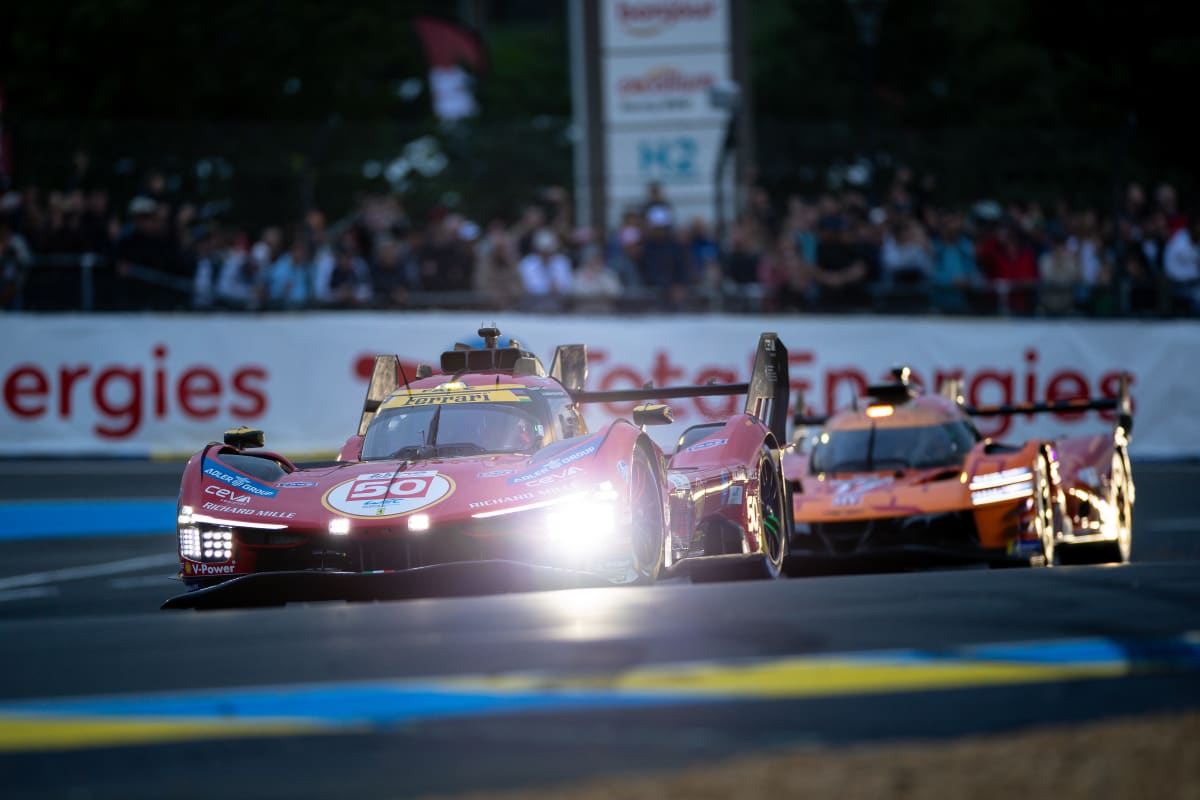
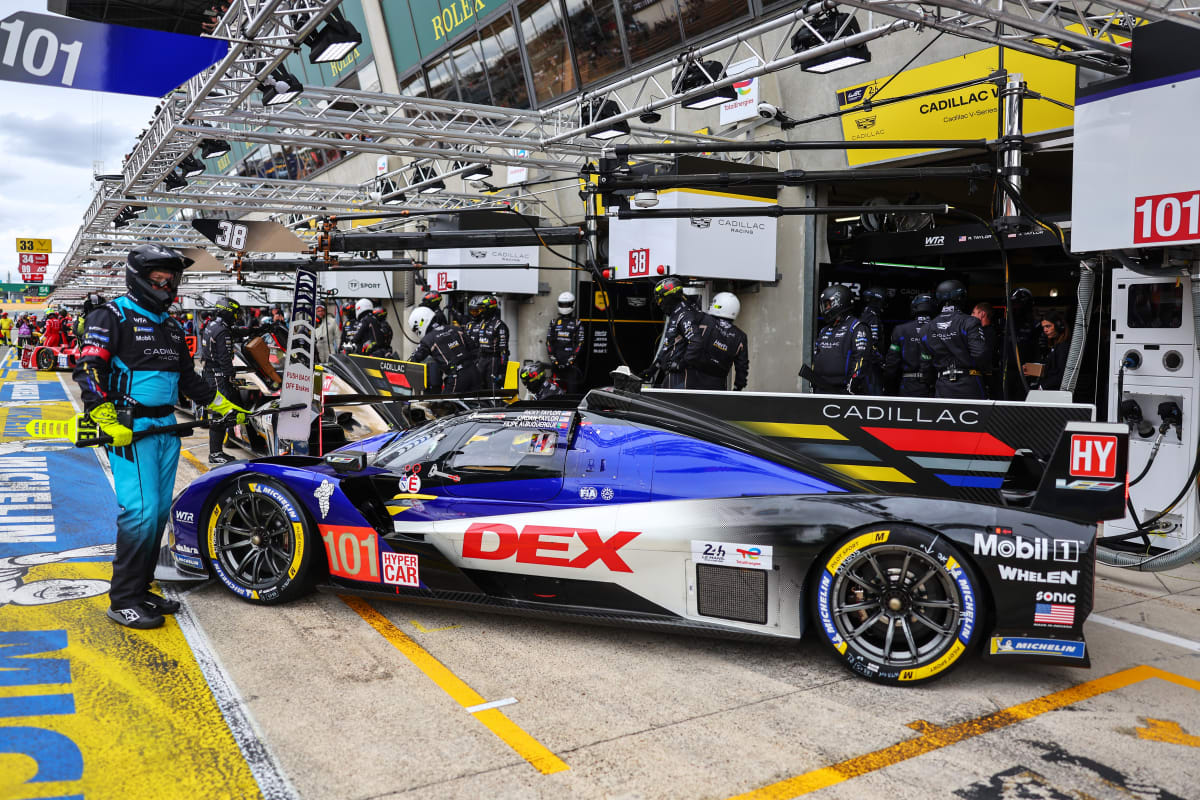
What happens at Le Mans rarely stays at Le Mans. When Ferrari, BMW, and Cadillac battle for supremacy in the Hypercar class, they're not just chasing trophies. They're stress-testing technologies that could revolutionize how millions of people drive within the next decade.
The hybrid systems racing today might power your family car tomorrow. The lightweight materials keeping these prototypes fast could make future vehicles more fuel-efficient and safer.
Even the 2030 rule changes announced today point toward a more unified, accessible future for endurance racing. The sport is simplifying while maintaining its core mission: making better cars for everyone.
For one weekend, a small town in France becomes the center of automotive innovation, where the line between racetrack dreams and driveway reality blurs at 200 miles per hour.
More Images
Based on reporting by Ars Technica
This story was written by BrightWire based on verified news reports.
Spread the positivity!
Share this good news with someone who needs it