6,300-Year-Old Spanish Tomb Rewrites Ancient History
Archaeologists just discovered a megalithic cemetery in landlocked central Spain that's as old as Europe's coastal monuments, proving ancient inland communities built their own grand structures without outside help. The find challenges decades of assumptions about how ancient societies shared ideas.
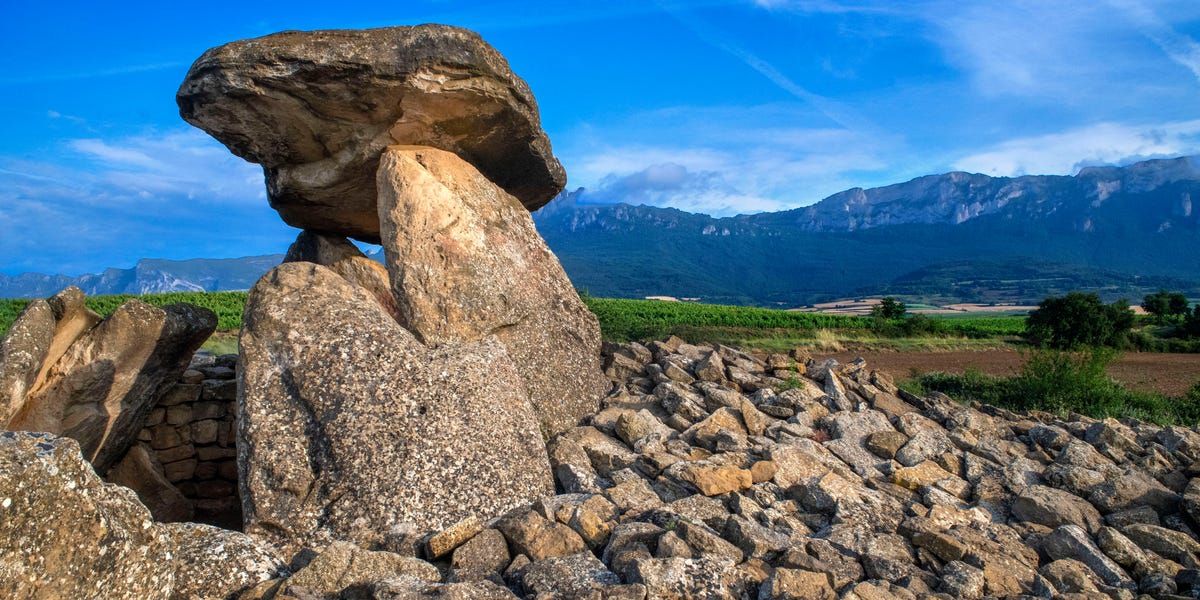
Deep in central Spain, far from any ocean, archaeologists have uncovered a 6,300-year-old cemetery that's turning everything we thought we knew about prehistoric Europe upside down.
The Valdelasilla site sits on a hillside near Illescas, hundreds of miles from the nearest coastline. For decades, experts believed seafaring people spread the tradition of building massive stone tombs along coastal trade routes, starting from northwestern France around 4500 B.C.E. Inland areas were thought to be latecomers who copied the idea much later.
This discovery proves that theory wrong. The central Spanish site dates to roughly 4300 B.C.E., making it just as old as the oldest coastal monuments in Europe.
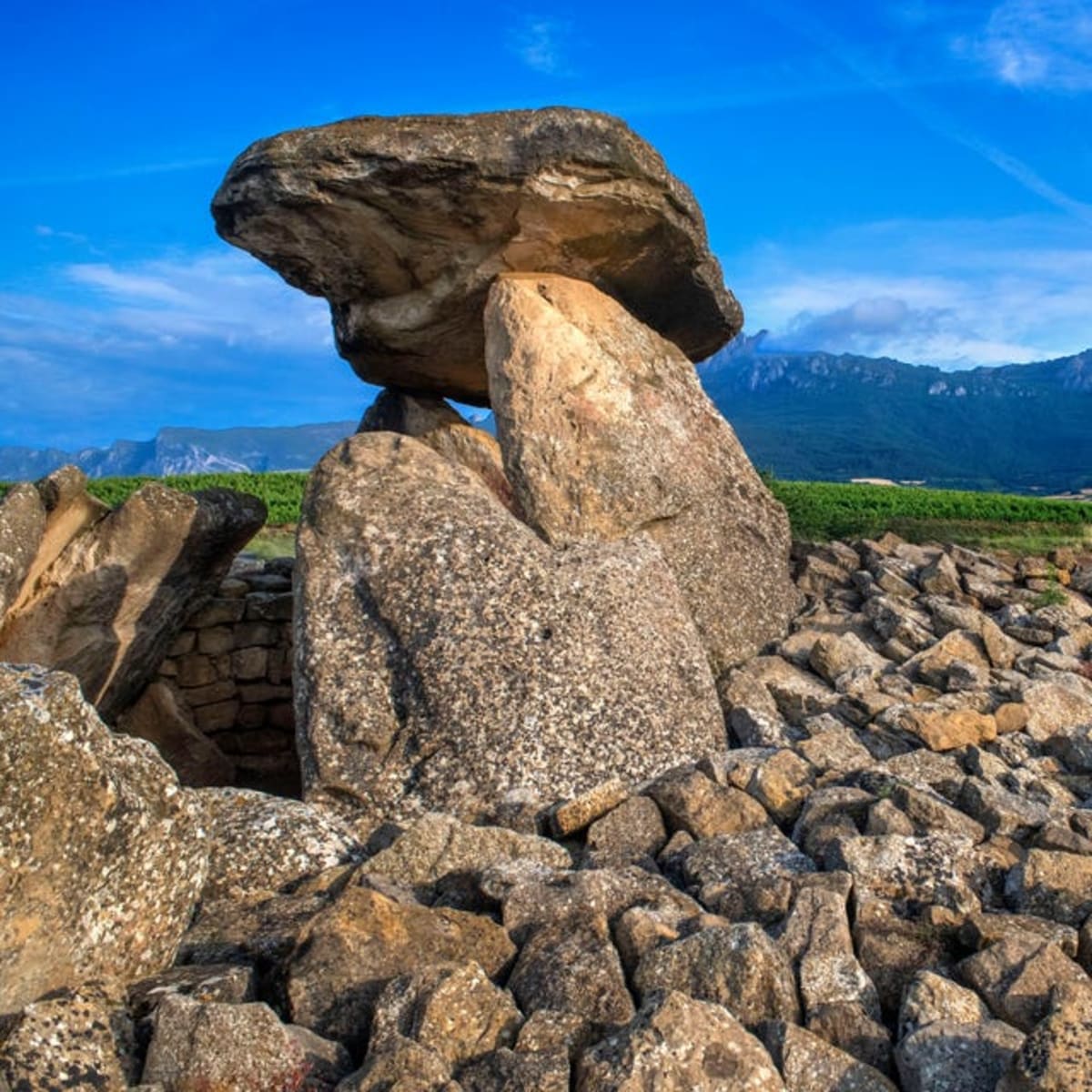
The main burial chamber spans 20 feet across, surrounded by a circular ditch stretching over 115 feet wide. Researchers from the University of Alcala discovered remains of 46 people in 11 different graves, including men, women, and children who were buried over 1,500 years.
What makes these tombs special is their unique design. Instead of copying coastal styles, the builders used timber posts, compacted clay walls, and small stones to create permanent chambers. Rosa Barroso Bermejo and her team noted these structures were "far from rudimentary and were designed for permanence and for visibility."
The site evolved over centuries as funerary practices changed. Early chambers held just a few people, while later additions included the central tomb that eventually contained 10 individuals. An ossuary added later held 17 people, showing how this stable community created the earliest known monumental necropolis in interior Iberia.
Inside the graves, archaeologists found bone hairpins, stone beads, polished axes, pottery fragments, and about 100 seashells. Many skeletons showed traces of red iron oxide pigment, commonly used in Iberian burial rituals.
Why This Inspires
This discovery reminds us that human ingenuity doesn't follow a single path. Ancient inland communities weren't waiting around for coastal peoples to teach them how to honor their dead. They developed their own sophisticated traditions independently, at the same time, using materials and methods that worked for their environment.
The research, published in the Cambridge Archaeological Journal, suggests megalithic traditions emerged from "multiple interconnected regions involving not only the coast but also continental areas." From Scandinavia to North Africa, these monuments might have sprung up through independent invention rather than simple cultural copying.
It's a powerful reminder that innovation happens everywhere, not just in the places we expect.
More Images


Based on reporting by Google: archaeological discovery
This story was written by BrightWire based on verified news reports.
Spread the positivity!
Share this good news with someone who needs it