630,000 EVs Can Now Power Homes During Blackouts
Electric vehicles are becoming emergency backup batteries, with over 630,000 now capable of powering homes during outages. Recent winter storms proved their worth as EV owners kept lights and heat running while neighbors scrambled for generator fuel.
When ice storms knocked out power across Louisiana, Keith McGrew didn't panic. The West Monroe resident simply plugged his Ford F-150 Lightning into his house and powered everything, including his oven for pizza night.
McGrew isn't alone anymore. About 630,000 electric vehicles on American roads can now discharge electricity strong enough to run a home during blackouts. That number is climbing fast, with one in five EVs sold last quarter offering this vehicle-to-home capability.
Recent winter storms turned these cars into lifesavers. While neighbors hunted for scarce generator fuel, EV owners flipped a switch and kept their refrigerators, heaters, and medical equipment running. John Halkias in North Canton, Ohio weathered 18 inches of snow confidently, knowing his Lightning could power critical systems for up to a week.
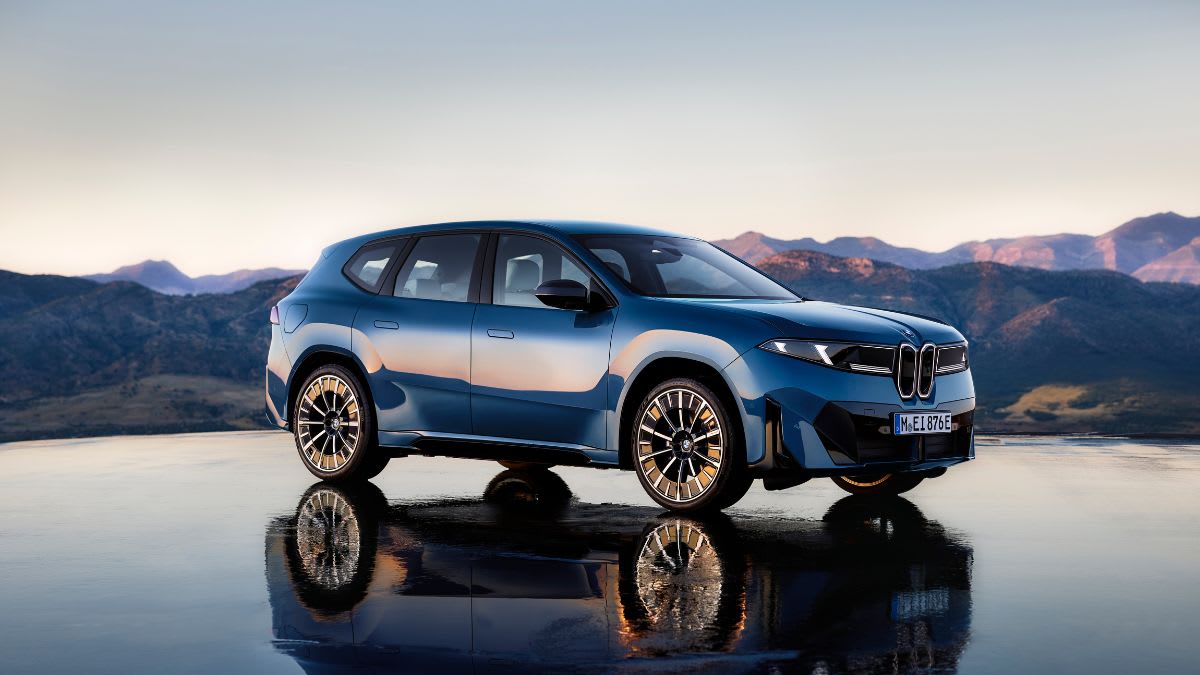
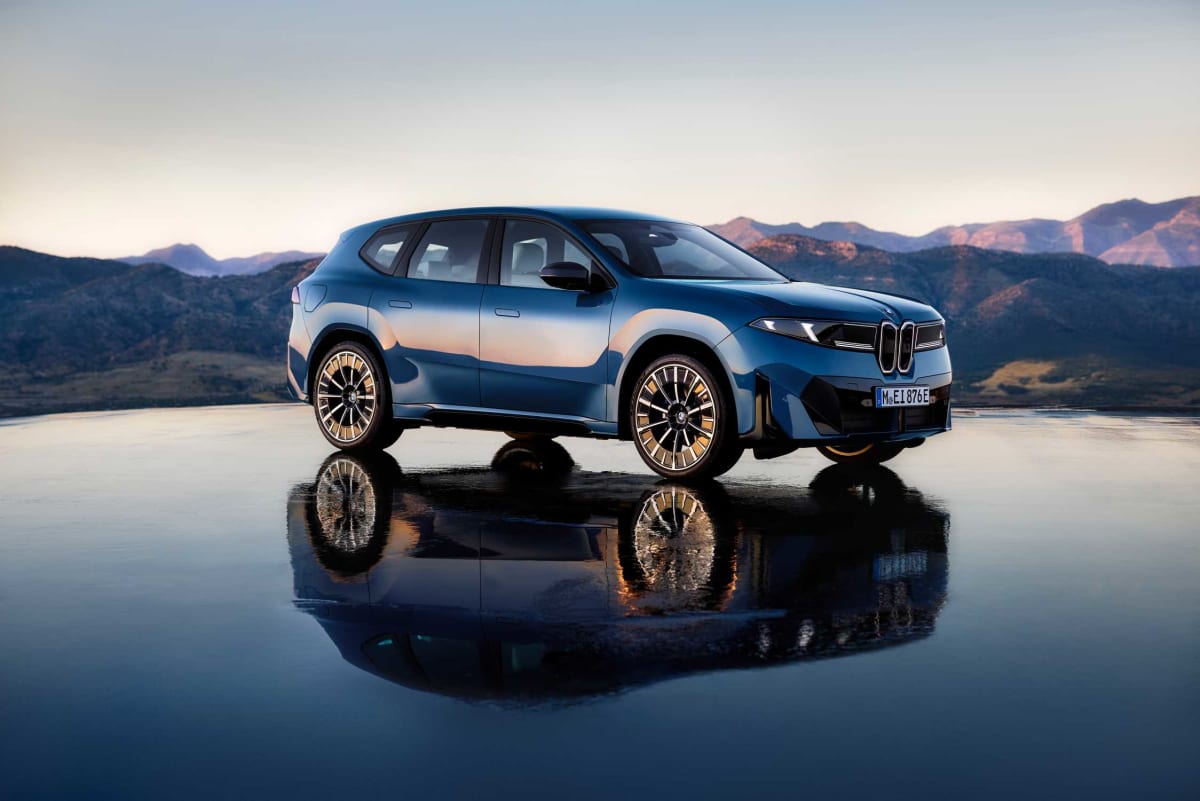
The technology is spreading quickly across automakers. Every General Motors vehicle now offers home power backup, and Hyundai, Kia, and Volvo high-end models include it too. BMW, Tesla, and Rivian just promised the feature in their upcoming releases.
Ford's automatic system detects outages and switches on backup power about four times yearly per household. During last week's storms, usage jumped four times higher than normal as blackouts swept the country.
The setup requires planning. Owners need advance charging, and cold weather drains batteries faster. But in rural areas during extended outages, finding gasoline poses similar challenges.
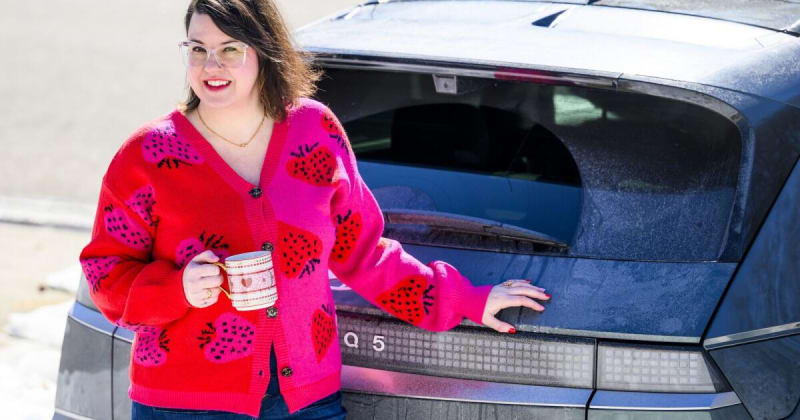
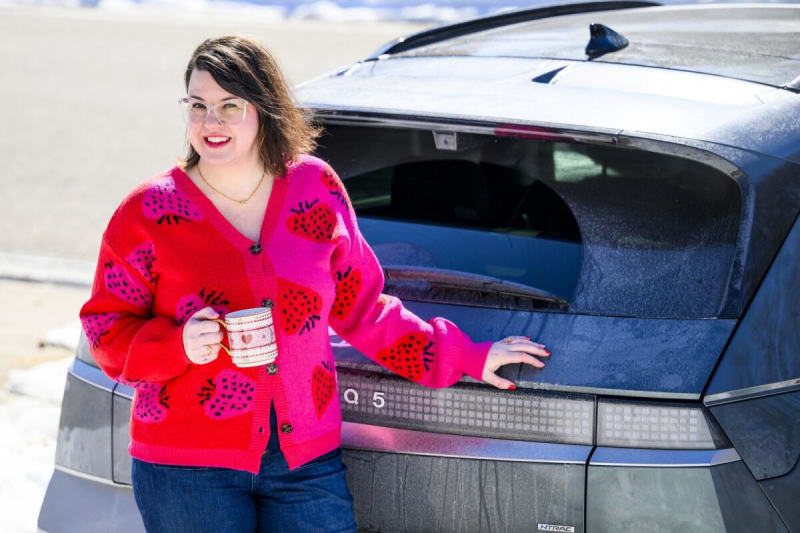
Even simpler versions help. Millions of EVs without full home backup still convert charging ports into electrical outlets. Kim Mestre in Alexandria, Virginia had modest needs during her outage: charge her phone and brew coffee. Her Hyundai Ioniq delivered both.
The Ripple Effect
This shift extends beyond individual comfort. Utility companies are designing programs to tap EV batteries during peak demand, creating mini power plants in millions of driveways. GM calls these vehicle-to-grid programs "the future of energy resilience."
The math is compelling. Wallbox, a charging equipment maker, calculates that millions of connected EVs could replace an entire nuclear power plant's capacity. As data centers strain the grid and climate change brings more extreme weather, these mobile batteries offer breathing room.
McGrew, who bought his Lightning for practical reasons rather than environmental ones, found himself texting with his diesel-generator-owning boss on day five of their outage. The boss had run out of fuel. McGrew was considering wiring his truck to power his boss's house next.
"I'm feeling smarter every day," McGrew said.
More Images

Based on reporting by Google News - Electric Vehicle
This story was written by BrightWire based on verified news reports.
Spread the positivity!
Share this good news with someone who needs it