64 Women Win Seats in India's Pimpri-Chinchwad Election
Women claimed half the seats in a major Indian municipal election, with seven winning by landslide margins over 10,000 votes. One determined candidate secured victory by just 21 votes in a nail-biting finish.
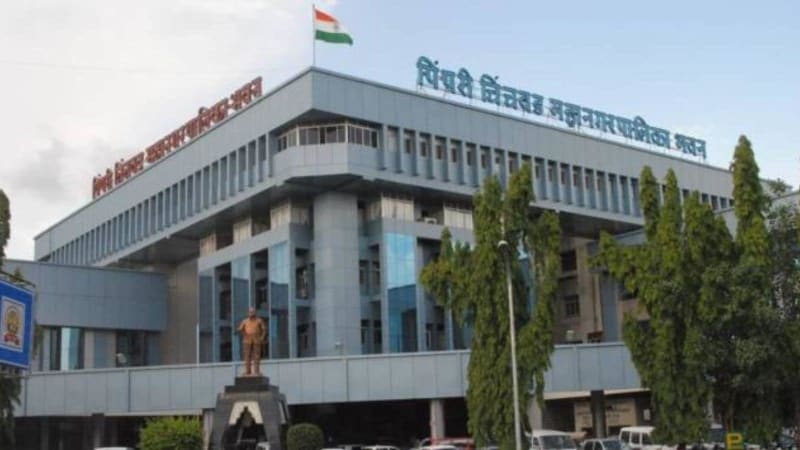
Women won 64 of 128 seats in India's Pimpri-Chinchwad Municipal Corporation election, marking a milestone moment for representation in this industrial city near Pune. The victories ranged from jaw-dropping landslides to heart-stopping close calls that came down to the final ballot count.
Sarika Gaikwad topped all winners with a stunning 16,011-vote margin in the Moshi area. Six other women candidates also won by margins exceeding 10,000 votes, showing strong community support for their leadership.
At the opposite end of the spectrum, Savita Aswani experienced the most dramatic race of the election. She won her seat by exactly 21 votes after trailing her opponent through most of the counting rounds.
"In the first three rounds, my rival was leading," said Dhanraj Aswani, Savita's husband. The lead changed hands multiple times, with the opposing candidate ahead by 1,700 votes at one point. Her rival's supporters even started celebrating with fireworks before the final count, assuming victory was certain.
Election officials had to step in and remind everyone that nothing was official until the last ballot was counted. When those final votes were tallied, Aswani pulled ahead by the slimmest possible margin.
More than 463,000 women voters participated in the election, representing a turnout of 57 percent. Their votes helped elect both political newcomers and experienced leaders returning to serve their communities.
Five of the seven landslide winners are serving as municipal corporators for the first time. The remaining two, Shaileja More and Hirabai Ghule, previously served as deputy mayors and brought their experience back to governance.
The Ripple Effect
These 64 women will now help shape decisions affecting over 1.7 million residents in Pimpri-Chinchwad, one of India's fastest-growing industrial areas. Their presence in the municipal council means more diverse voices at the table when leaders discuss everything from road safety to healthcare access.
The election results show that voters across different neighborhoods trusted women to lead, whether by overwhelming margins or in races so close that every single supporter mattered. Each of those 21 votes that secured Aswani's seat represented a person who believed in her vision for the community.
Women now hold exactly half the power in shaping their city's future, proving that representation isn't just about numbers on paper but real people making real decisions that affect daily life.
Based on reporting by Indian Express
This story was written by BrightWire based on verified news reports.
Spread the positivity!
Share this good news with someone who needs it