650 Volunteers From 33 Nations Deliver Aid to Cuba
When Cuba faced severe shortages, people from 33 countries organized the largest humanitarian convoy in years, delivering 20 tons of supplies by air and sea. The effort shows how grassroots solidarity can mobilize quickly when governments move slowly.
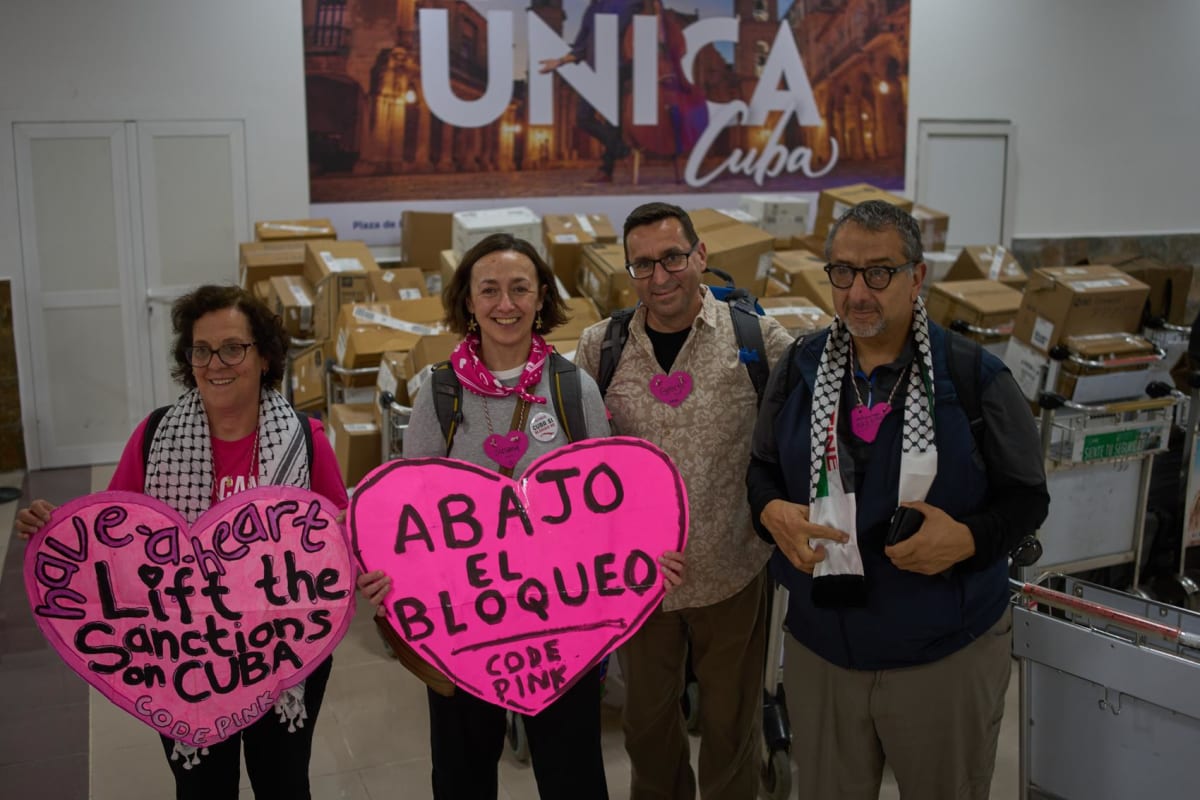
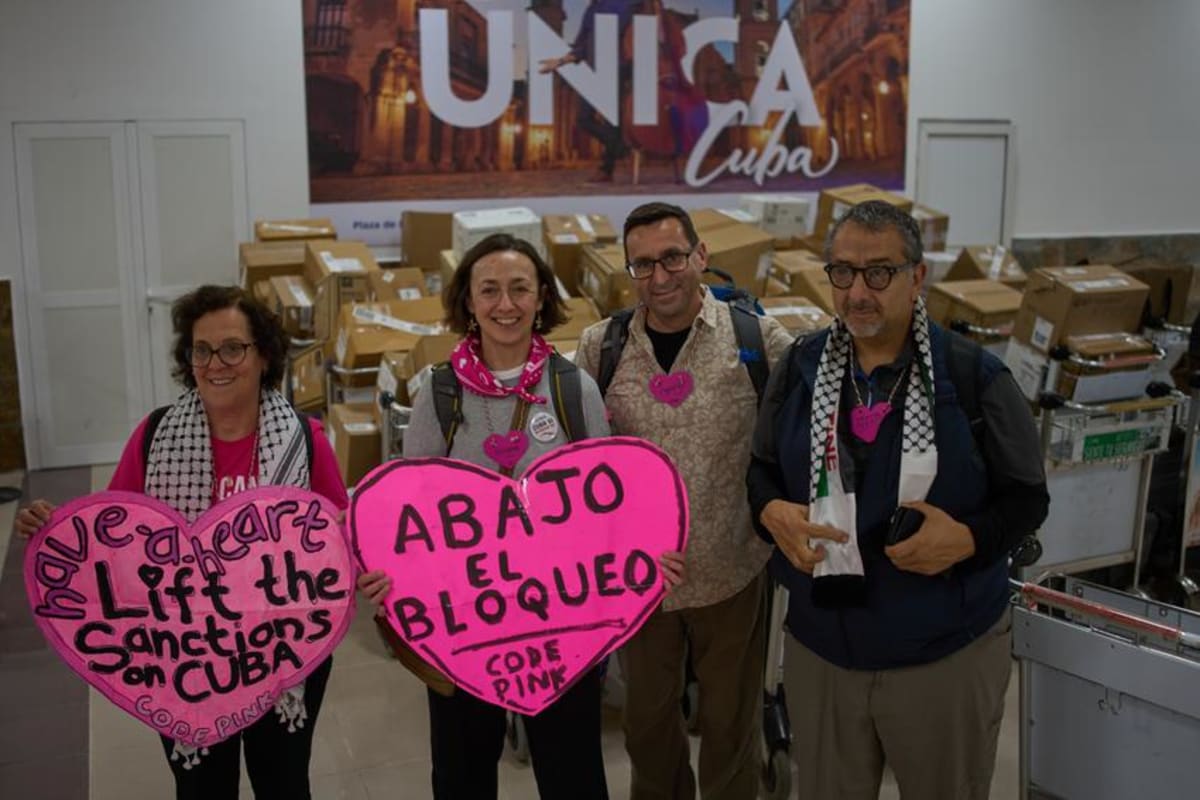
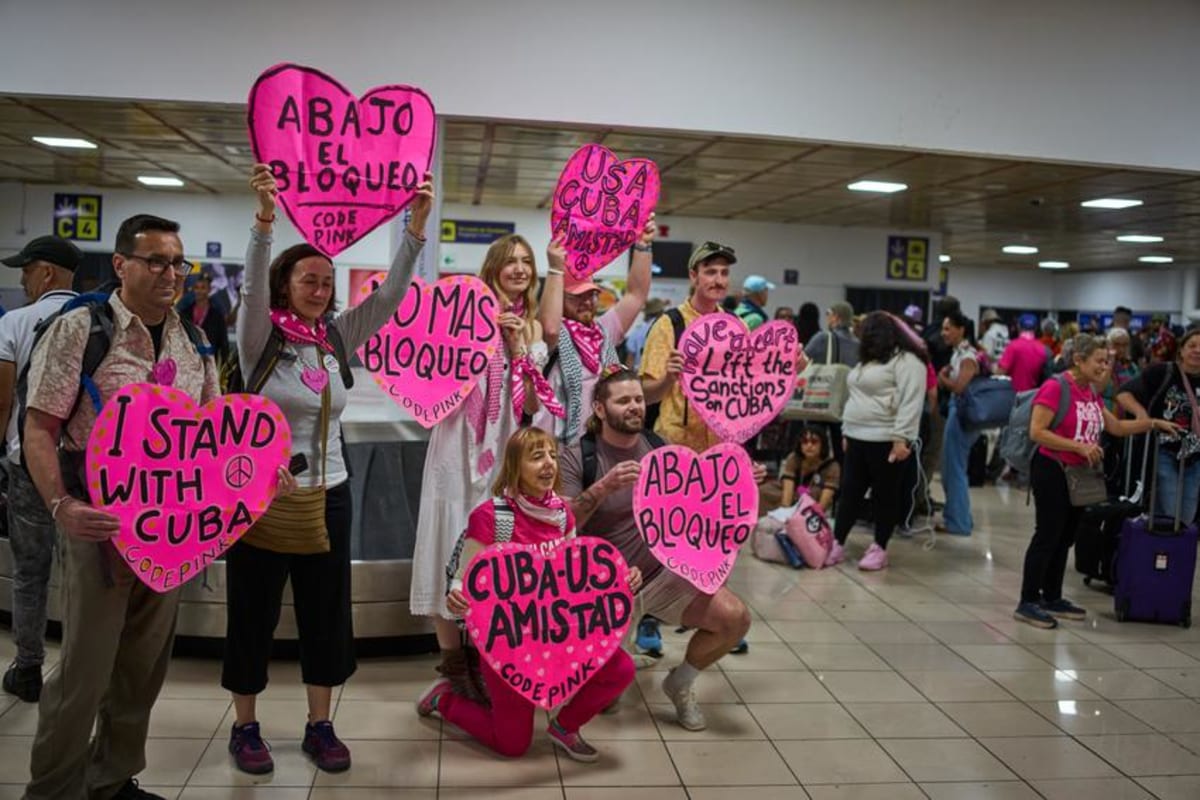
More than 650 volunteers from 33 countries landed in Havana this week carrying something Cuba desperately needs: hope wrapped in 20 tons of humanitarian supplies.
The "Our America Convoy to Cuba" brought delegates from Italy, France, Spain, the United States, and across Latin America. Three vessels carrying additional aid departed from Mexico and arrived by sea on Saturday.
Solar panels, cancer medication, and food filled the cargo holds. Organizers from 120 different organizations coordinated the effort after Cuba's energy crisis worsened in recent months, leaving many without consistent power or access to basic supplies.
David Adler, coordinator of Progressive International, said the convoy represents millions of supporters worldwide. "We are dozens and dozens of delegates, and we represent millions of people," he explained upon arrival.
The convoy includes prominent figures like British Parliamentarian Jeremy Corbyn, Colombian Senator Clara López, and U.S. labor leader Chris Smalls. Political parties from Mexico, Brazil, and Uruguay also sent representatives.
Brazil committed to sending 20,000 tons of food, including rice, beans, and powdered milk. China dispatched a ship carrying 60,000 tons of rice. Chilean parliamentarians arrived Thursday with their own supplies.
The Ripple Effect
This mobilization started small. After Mexico sent three shipments of food and hygiene products, activists in other countries began organizing support groups and collecting donations.
What began as scattered efforts quickly transformed into an international movement. Union members, social activists, and ordinary citizens coordinated across language barriers and time zones to gather supplies.
The response demonstrates how quickly grassroots networks can organize when crisis strikes. Within weeks, the effort grew from a handful of organizations to a coordinated flotilla involving three dozen nations.
Cuban President Miguel Díaz-Canel acknowledged the outpouring on social media. "They bring shipments of aid to combat the attempt to suffocate us," he wrote. "Solidarity always returns to those who practice it with no other interest than human well-being."
For the volunteers who traveled to Cuba, the mission was personal. Many took time off work, paid their own travel expenses, and spent weeks organizing donations in their communities.
The convoy proves that when people focus on shared humanity rather than political divisions, extraordinary mobilization becomes possible.
More Images

Based on reporting by Japan Today
This story was written by BrightWire based on verified news reports.
Spread the positivity!
Share this good news with someone who needs it