6,500 Trees Restore Montana Ranch After 75,000-Acre Fire
Five years after a devastating wildfire consumed their Montana ranch in just 12 hours, the Gentry family watched crews plant 6,500 ponderosa pines on their scorched land. The restoration, funded through carbon credits, costs landowners nothing and includes an innovative burial method that locks away carbon for centuries.
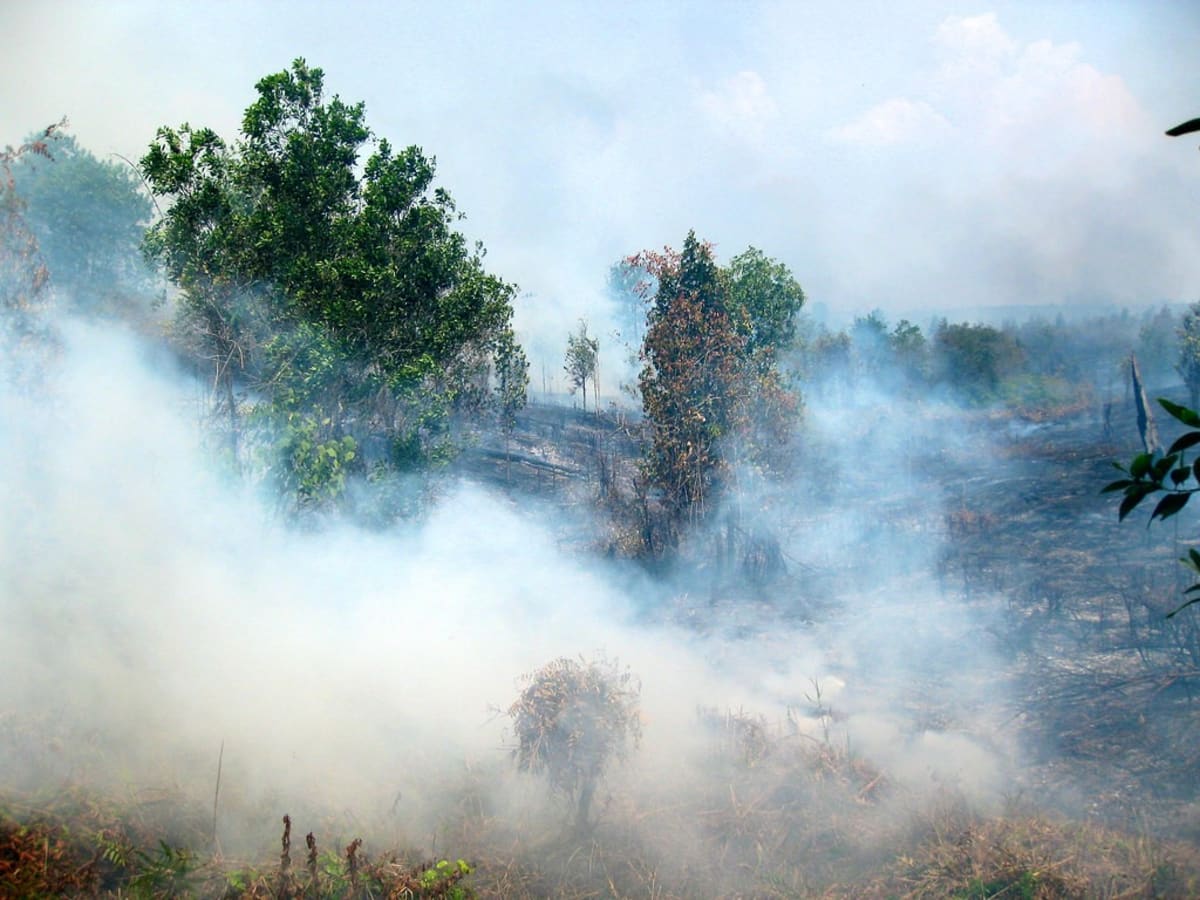
When fire raced across 75,000 acres of Montana rangeland in July 2021, Velma Gentry watched flames reach her house in just 12 hours. Now, nearly five years later, she's watching something else grow on that same charred earth: hope.
Crews began planting 6,500 ponderosa pine seedlings across 125 acres near Hardin this week, breathing new life into land devastated by the Poverty Flats Fire. Seattle-based Mast Reforestation is leading the effort, with experienced planters working at breakneck speed to restore what the flames took.
"Some planters usually plant 1,800 a day," said Carlos Escobar, whose reforestation company brought crews to complete the project in just two days. That's nearly one tree every 30 seconds for an entire workday.
For the Gentry family, who lost their ranch to the inferno, the planting represents the final chapter in an exhausting recovery. Velma's daughter Rebecca reached out to Mast Reforestation last year, setting in motion a restoration process that's equal parts environmental science and second chance.
Before the trees could go in, the company had to deal with thousands of burned trees still standing on the property. Rather than burning them and releasing more carbon into the atmosphere, Mast buried tons of charred wood underground in June using a process called biomass burial.
"It's basically a quicker way of taking carbon that's already stored in wood and storing it for a very long time," explained Bill Layton, senior developer of carbon project development at Mast. The buried trees won't decompose and release greenhouse gases for potentially centuries.
The Ripple Effect
The restoration doesn't cost the Gentries a penny. Carbon credits fund the entire operation, paid for by companies looking to offset their emissions. This funding model means other Montana landowners scarred by wildfire can restore their properties at no cost.
Mast is actively seeking other fire-damaged properties to restore. "If they're piling and potentially going to burn those piles, then we'd love to talk," said technical manager Tiffani Manteuffel-Ross, who's monitoring the burial site to measure its carbon storage efficiency.
The company collects gas samples from the buried wood to prove the environmental benefits are real. Early results suggest the method works, offering a blueprint for wildfire recovery that fights climate change while healing the land.
For Velma, the rows of tiny ponderosa pines represent more than environmental restoration. "I hope that we have good weather so that they can grow up, and more people can come back and see these trees sometime," she said, imagining a future forest where her grandchildren might walk.
Rebecca called the planting "the culmination of nearly five years of a lot of hard work," watching native trees return to soil that once seemed beyond saving.
More Images


Based on reporting by Google News - Reforestation
This story was written by BrightWire based on verified news reports.
Spread the positivity!
Share this good news with someone who needs it