66 Species Saved: How Captive Breeding Rewilded America
Animals once nearly extinct are thriving again thanks to bold conservation programs that prove endangered species recovery works. From 22 California condors to over 300 flying free, these success stories show what's possible when science meets determination.
📺 Watch the full story above
When only 18 black-footed ferrets remained on Earth in 1981, extinction seemed inevitable. Today, over 300 of these playful weasels roam North American prairies, living proof that we can reverse even the most dire wildlife crises.
Captive breeding programs have become the lifeline for dozens of endangered species, combining zoo expertise with strategic reintroductions. Scientists carefully manage genetic diversity to ensure healthy populations, then train animals for survival before releasing them into protected habitats.
The bald eagle's comeback remains one of conservation's greatest triumphs. Fewer than 500 nesting pairs survived in the lower 48 states by the mid-1960s, decimated by DDT pesticide contamination. After banning DDT and protecting nesting sites, populations soared past 10,000 pairs by the early 2000s.
California condors faced an even closer call. All 22 remaining birds were captured in 1987 for a last-ditch breeding effort. The program has since released over 500 condors, with more than 300 now soaring over western landscapes after lead poisoning protections were implemented.
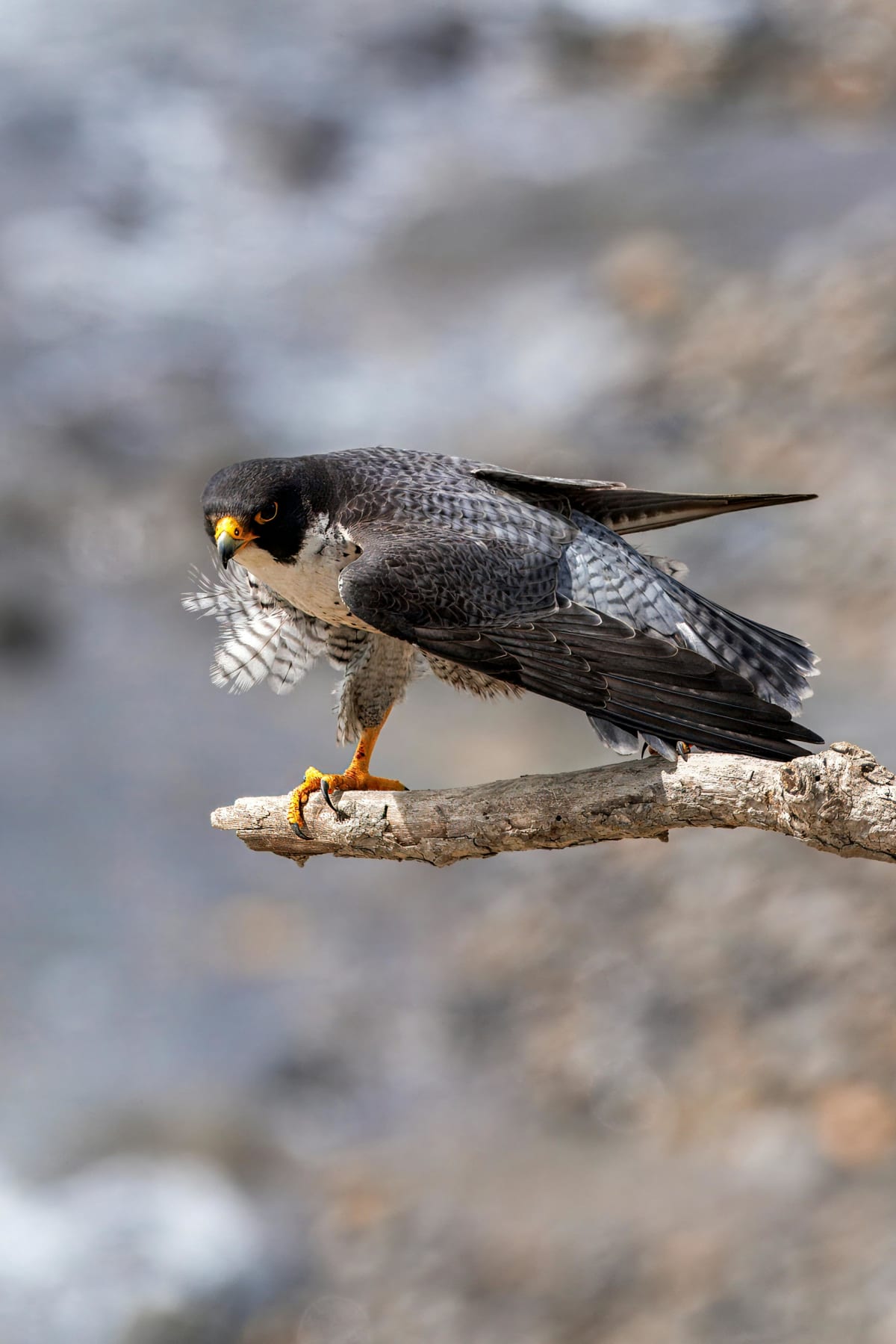
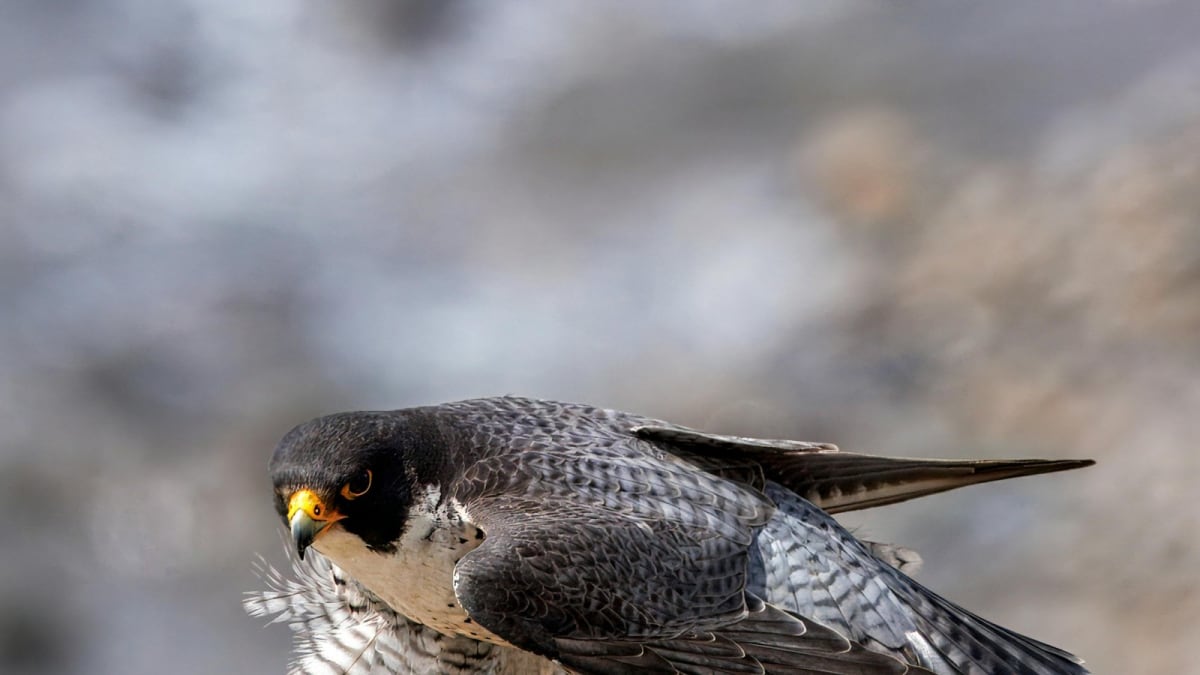
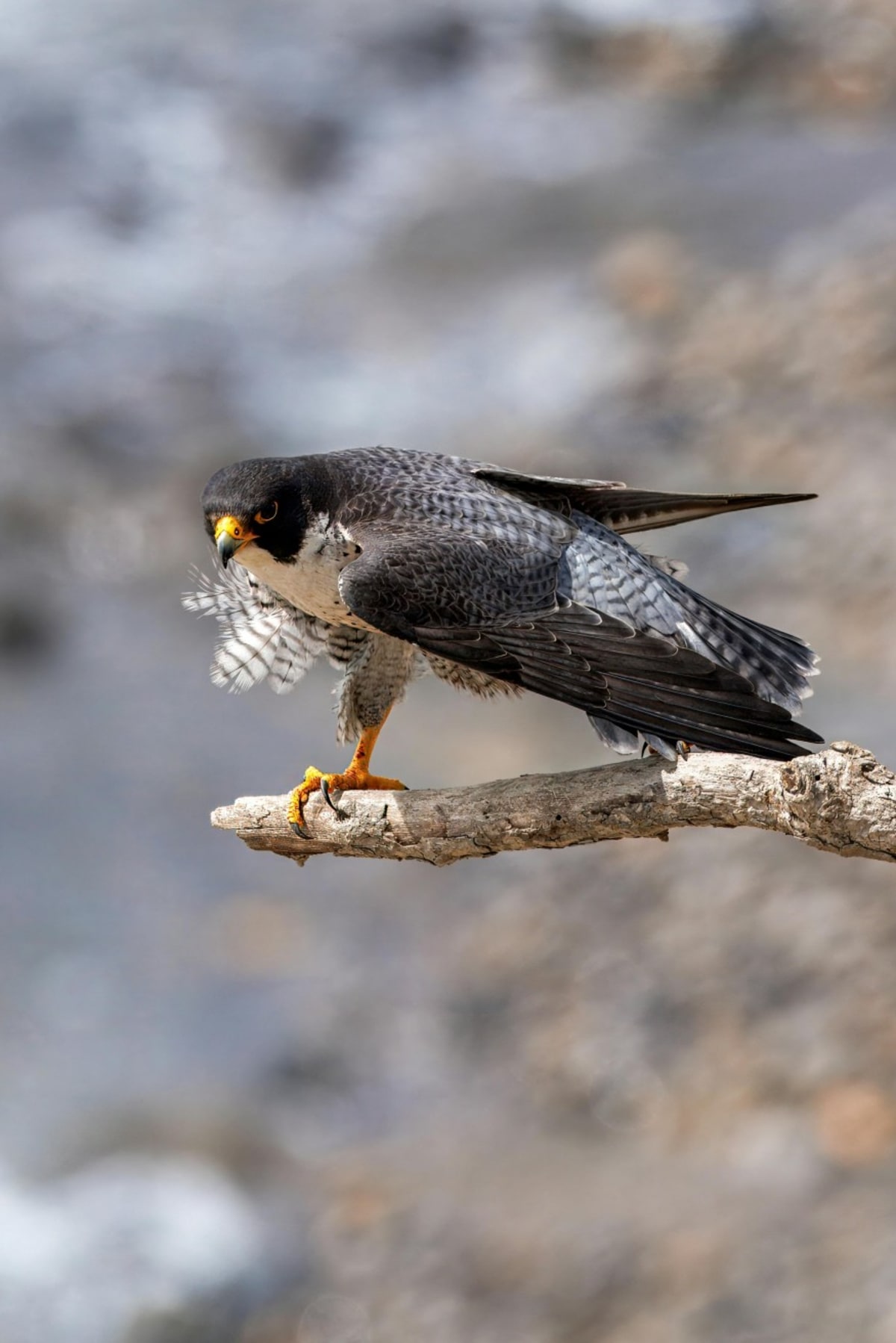
Peregrine falcons rebounded from 80-90% population loss when breeding programs released 6,000 captive-bred birds starting in the 1970s. By 1999, these spectacular hunters nested across North America again, prompting their removal from endangered lists.
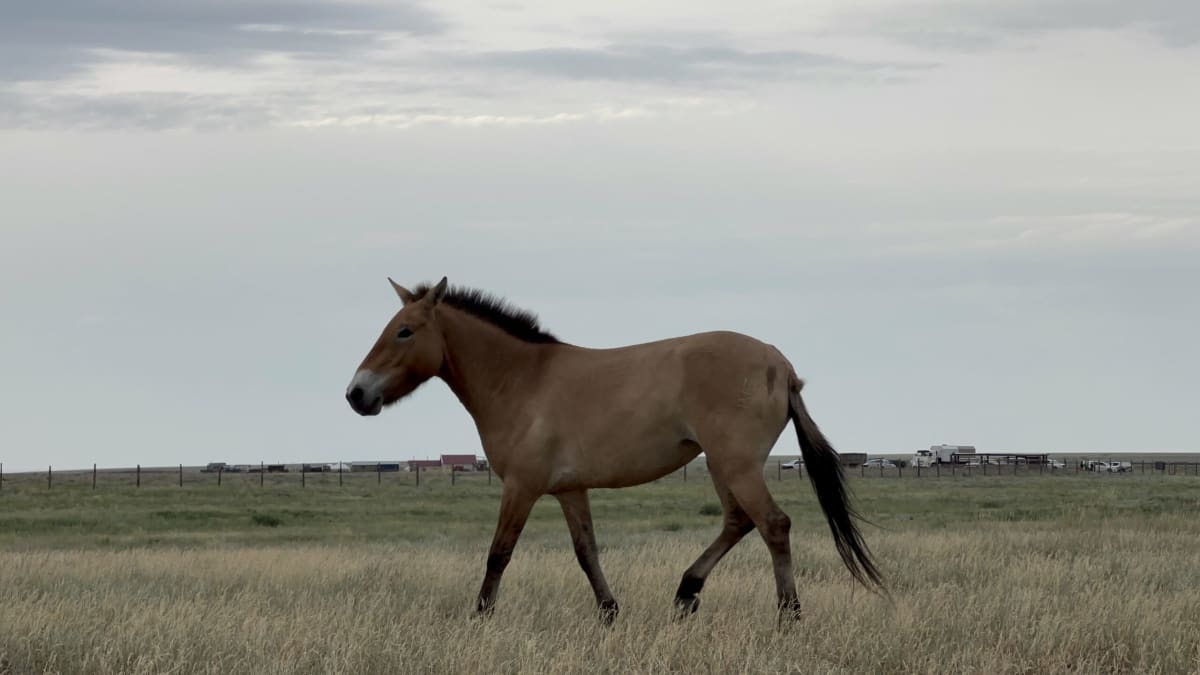
Recovery extends beyond birds. Arabian oryx went extinct in the wild by 1972 but returned through UAE breeding programs, with over 1,000 now thriving in protected deserts. Przewalski's horses, reduced to zoo captives by the 1960s, saw 2,000 descendants reintroduced to Mongolian grasslands.
Each success follows a proven formula: assess threats, develop site-specific recovery plans with measurable goals, implement captive breeding alongside habitat protection, then monitor and adjust based on data. New Zealand's kiwi birds increased 425% in managed areas through predator trapping targeting rats and stoats.
Habitat restoration amplifies breeding programs dramatically. Wetland restorations helped brown pelicans rebound to delisting status in 2009. Bamboo corridor creation for giant pandas lifted their numbers from 1,000 to over 1,800.
The Ripple Effect
These recoveries create cascading benefits across entire ecosystems. When condor populations stabilize, scavenger networks strengthen. Ferret reintroductions revitalize prairie dog communities, supporting raptors and other predators.
Marine species show similar promise through adapted strategies. Humpback whale populations grew after ship-strike reductions and fishing gear modifications, with more calves born annually. Community involvement sustains long-term success, like ranchers monitoring ferret populations.
Since 1973, 66 U.S. species have been delisted from endangered status, according to Fish and Wildlife Service data. Innovations like genetic matching for healthier offspring and drone monitoring of released animals continue improving success rates.
Each recovery proves extinction isn't inevitable when science, policy, and public support align around measurable goals.
More Images

Based on reporting by Google News - Endangered Species Recovery
This story was written by BrightWire based on verified news reports.
Spread the positivity!
Share this good news with someone who needs it