67 Cities Worldwide Prove Groundwater Can Bounce Back
A global study reveals that depleted underground water supplies can recover when communities take smart action. Researchers found 67 successful cases where water levels rose after years of decline.
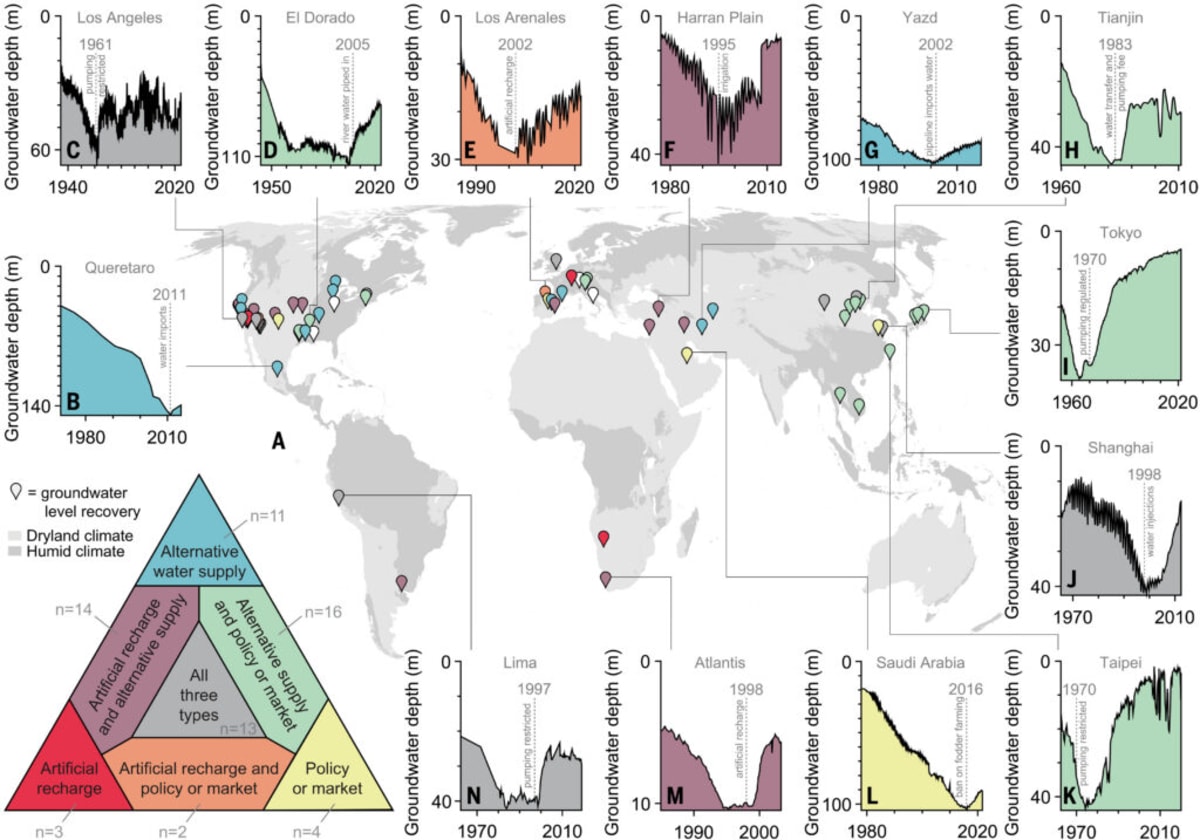
Groundwater stories usually end badly, but Scott Jasechko from UC Santa Barbara just proved they don't have to. His new study in Science magazine examined 67 places around the world where underground water supplies bounced back after dropping for at least a decade.
These aren't small wins. Groundwater keeps billions of people alive, providing cleaner water than rivers and lakes while sitting right beneath our feet. But we've been pumping it out faster than rain can refill it, causing wells to run dry and even making the ground sink in some areas.
Jasechko wanted to know what actually works when communities decide to fix the problem. He mapped every documented success story he could find, from massive Chinese infrastructure projects to small Japanese towns that simply started using their local river.
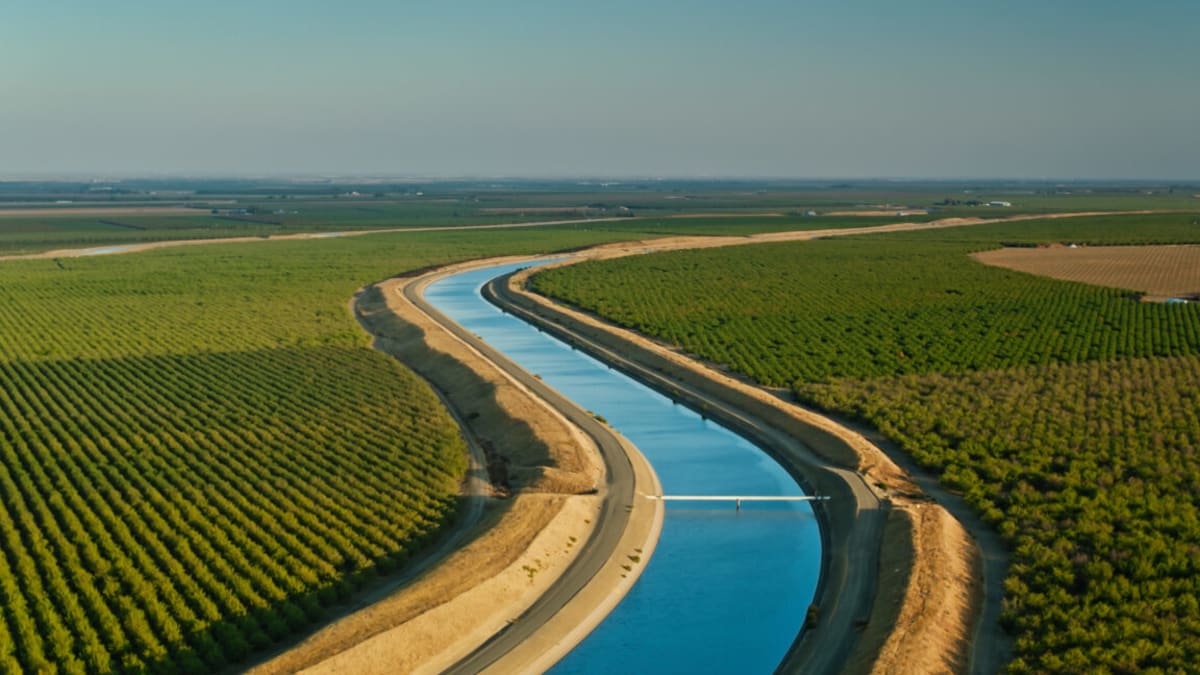
The winning formula showed up clearly. In 81 percent of cases, communities found alternative water sources instead of just asking people to use less. China built its South-to-North Water Diversion Project, while Osaka simply tapped the river flowing through downtown.
About half the success stories involved smart policy changes. Some places banned new wells or charged fees for pumping. El Dorado, Arkansas used those fees to build a pipeline from a nearby river, cutting groundwater use in half.
Saudi Arabia banned growing water-hungry alfalfa crops. Japan changed pollution rules that had accidentally encouraged companies to pump massive amounts of groundwater just to dilute their wastewater into legal limits.
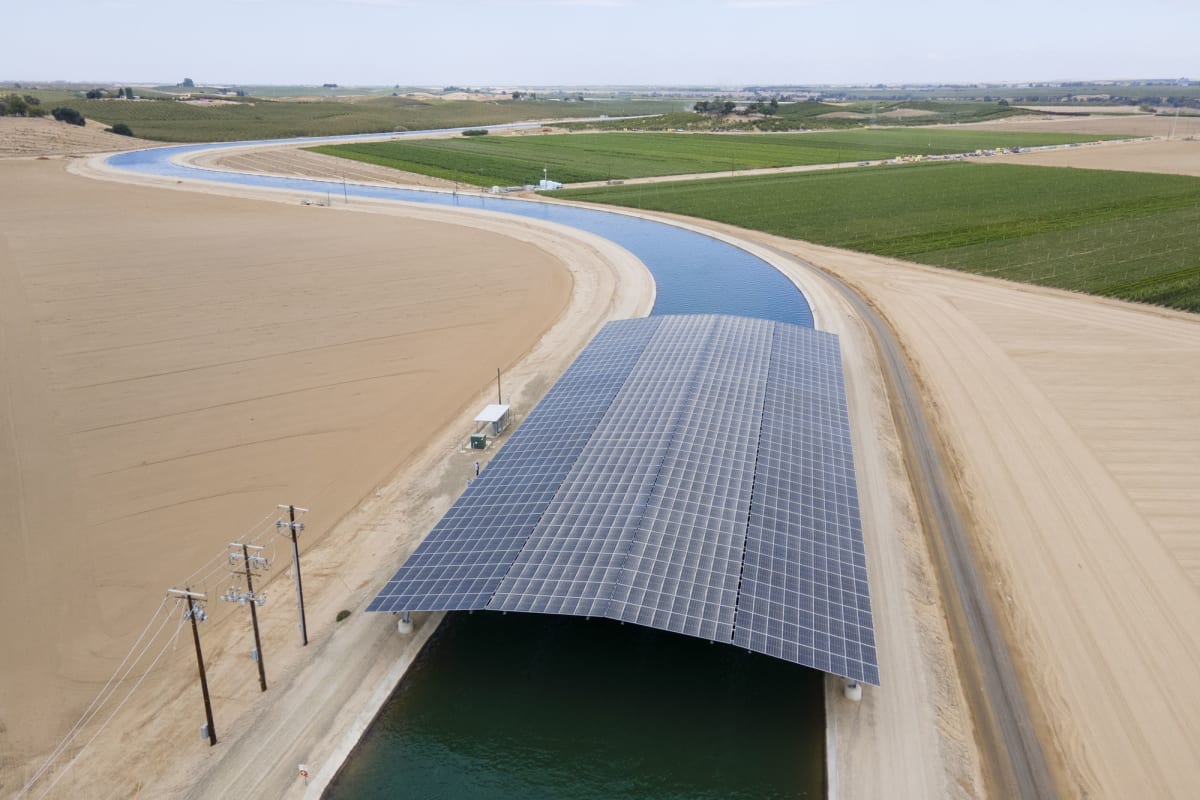
Nearly half the cases boosted water going back into aquifers through artificial recharge. Some places intentionally spread water over large areas to let it soak back down. Others discovered that leaky irrigation systems and aging water pipes were accidentally helping refill underground supplies.
The Ripple Effect
The benefits multiplied beyond just more water. Coastal cities like Los Angeles used targeted recharge to push back seawater that had been creeping into their aquifers. The water moves from high pressure to low, so raising groundwater levels acts like a shield against ocean intrusion.
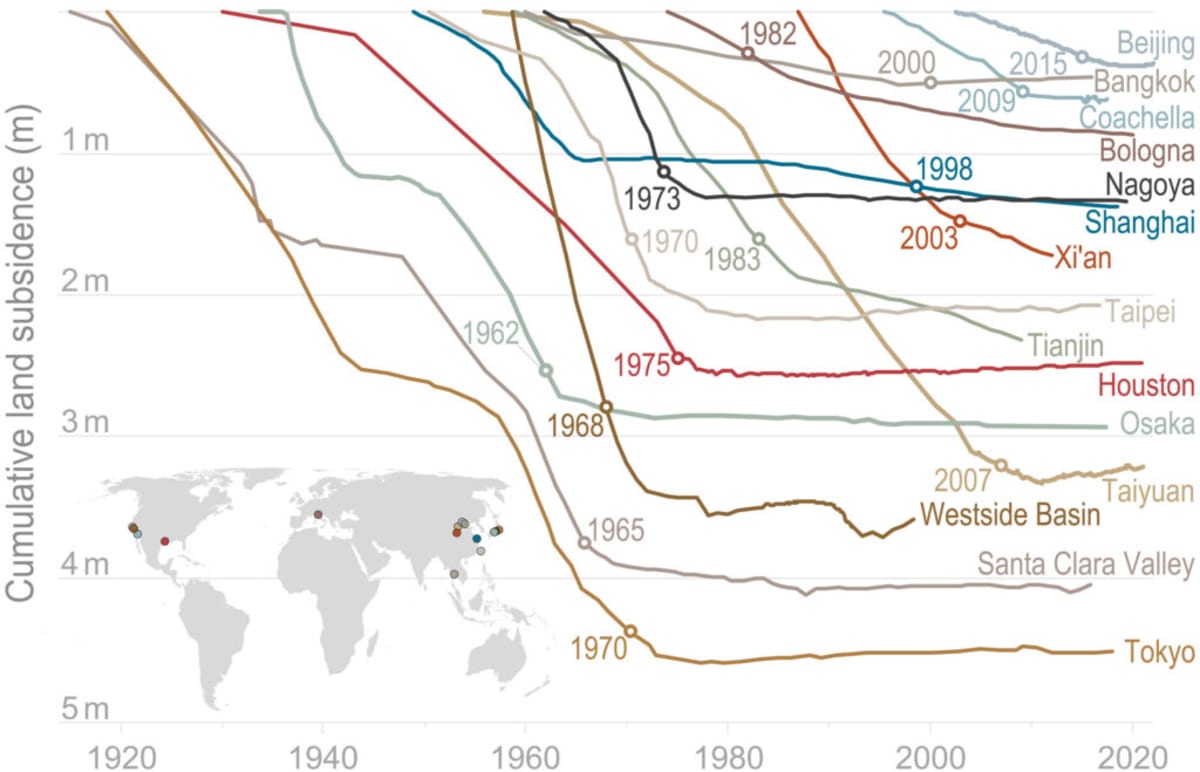
Land that had been sinking started stabilizing too. In 39 percent of cases, groundwater recovery either stopped or partially reversed subsidence damage. Las Vegas and California's Central Valley watched infrastructure stress ease as the ground stopped dropping.
The study proves that groundwater decline isn't a one-way street. Communities worldwide have the playbook now: find backup sources, create smart policies, and help water flow back underground when possible.
Recovery takes commitment and often infrastructure investment, but these 67 success stories show it's absolutely possible to reverse decades of decline.
More Images


Based on reporting by Ars Technica Science
This story was written by BrightWire based on verified news reports.
Spread the positivity!
Share this good news with someone who needs it