67,800-Year-Old Hand Art Found in Indonesian Cave
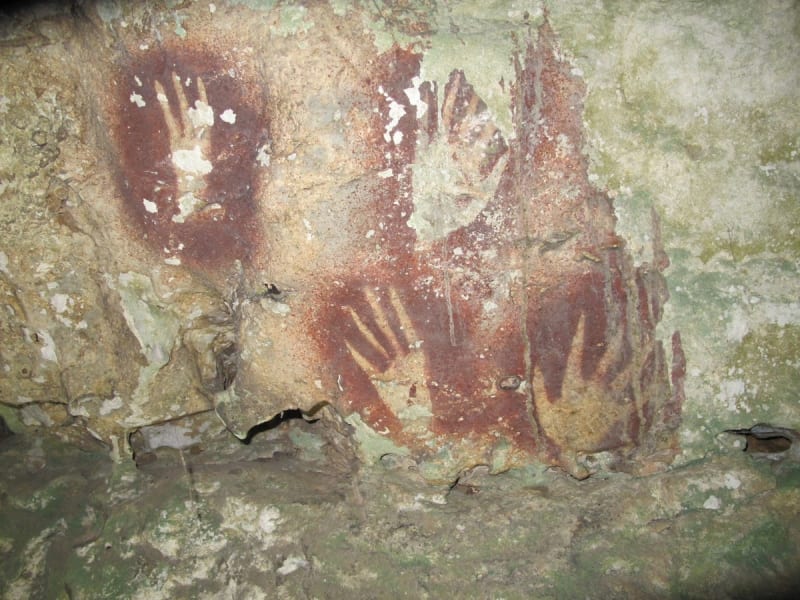
Scientists discovered cave art in Indonesia that's at least 67,800 years old, making it the oldest known cave painting in the world. The hand stencil, which features distinctive claw-like fingers, beats the previous record by 15,000 years and offers new clues about early human migration to Australia.
Hidden on the ceiling of a well-studied Indonesian cave, the oldest piece of cave art ever found waited decades to reveal its secrets. Scientists just confirmed that a faint hand stencil in Sulawesi dates back at least 67,800 years, shattering the previous record by 15,000 years.
The discovery happened in a cave system already famous for prehistoric paintings. Researchers had examined these caves for years, but this particular stencil on the ceiling had escaped notice until now.
Study co-author Maxime Aubert from Griffith University in Australia knew the art would be old but didn't expect it to be this ancient. His team used lasers instead of traditional drilling to date the artwork, allowing them to test more areas and get more accurate results.
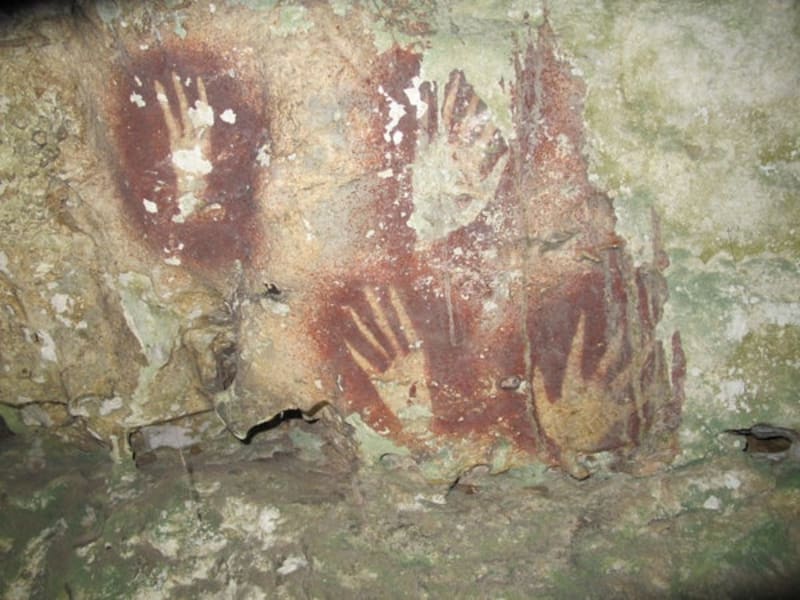
The hand itself tells a fascinating story. The fingers are depicted as pointy and claw-like, a style found only on Sulawesi so far. Researchers believe this artistic choice might represent the deep connection between humans and animals in that culture.
Another nearby hand stencil tested at about 60,900 years old. Both findings suggest sophisticated artistic and symbolic thinking existed far earlier than many scientists previously believed.
Why This Inspires
This discovery does more than break records. Franco Viviani, a physical anthropologist not involved in the study, points out that pushing back the timeline of cave art reveals how capable ancient societies truly were.
Art correlates with critical thinking and creative problem solving skills. These paintings show that our ancestors weren't just surviving but creating meaningful expressions of their worldview and culture.
The location matters too. Researchers have long suspected that Australia's first human settlers traveled through Indonesia, but they've debated whether this happened 65,000 or 50,000 years ago. This ancient art suggests humans were in the region even earlier, possibly undertaking the first intentional long-distance sea crossing in human history.
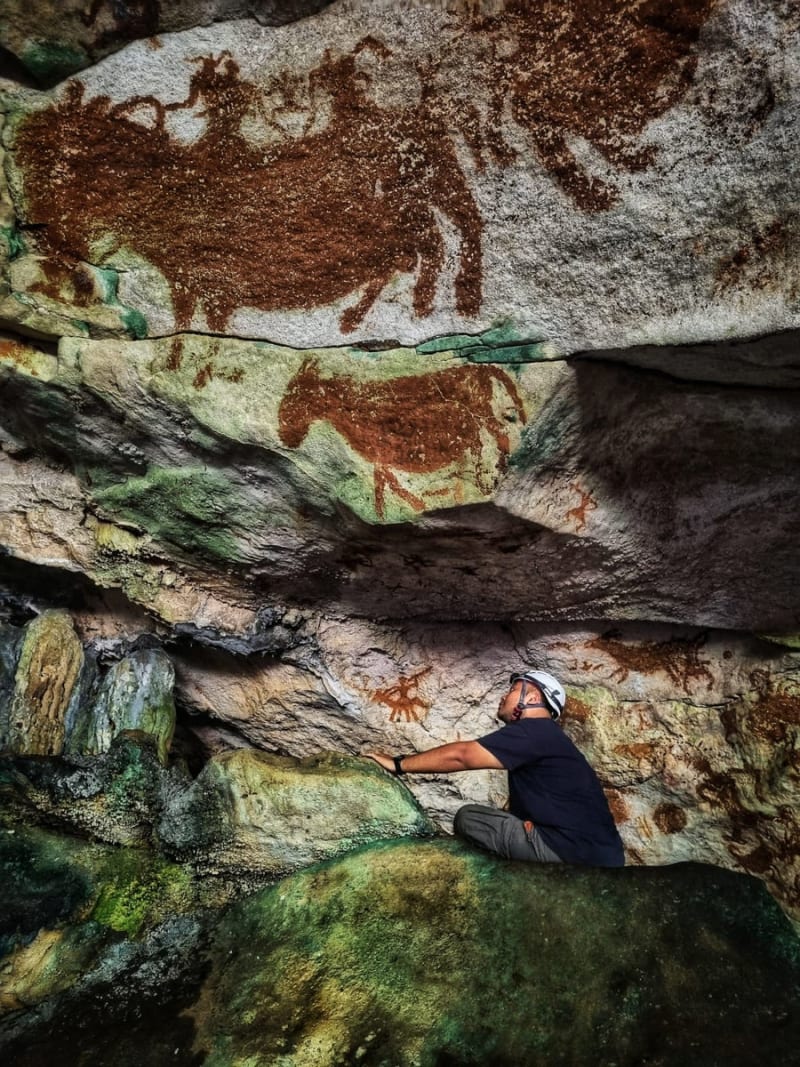
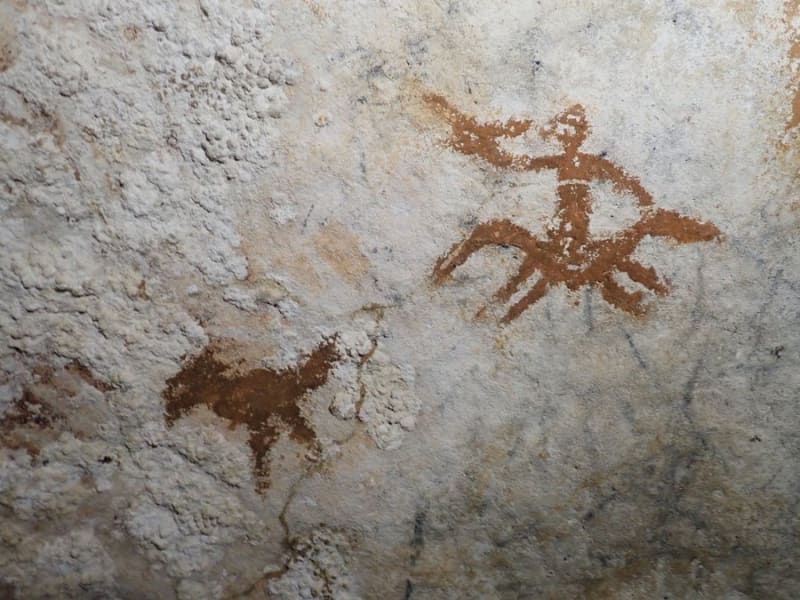
The team found other paintings in the caves depicting part-human, part-animal beings. These images give us a window into how these ancient people saw themselves and their relationship with the natural world around them.
Scientists already knew that early humans created shell jewelry at least 70,000 years ago, and that Neandertals engraved bones 57,000 years ago. But this cave art represents some of the oldest evidence of paintings by modern humans, preserved in remarkable detail.
Each new discovery like this one rewrites our understanding of human capability and creativity, proving that the drive to create and express ourselves is as old as humanity itself.
More Images

Based on reporting by Scientific American
This story was written by BrightWire based on verified news reports.
Spread the positivity!
Share this good news with someone who needs it