67,800-Year-Old Hand Stencils Found in Indonesian Cave
Researchers in Indonesia just discovered the world's oldest known cave art: faint hand stencils dating back at least 67,800 years. The find also strengthens evidence that Australia's first people arrived around 65,000 years ago.
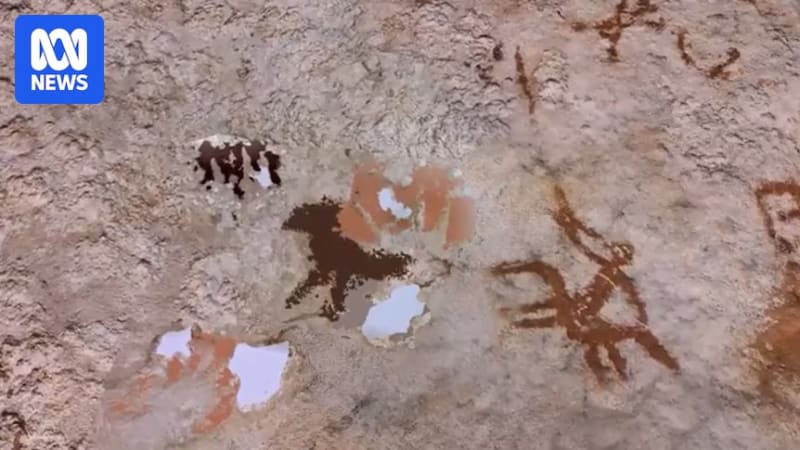
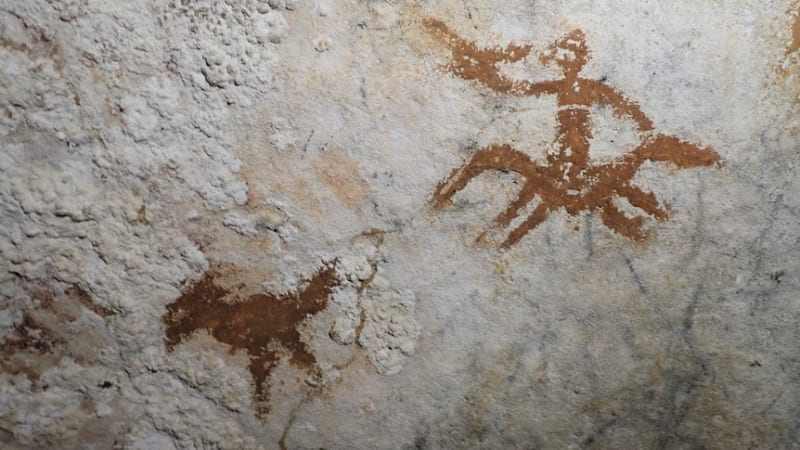
Hidden beneath a painting of a chicken on a cave wall in Indonesia, researchers have uncovered humanity's oldest artistic expression.
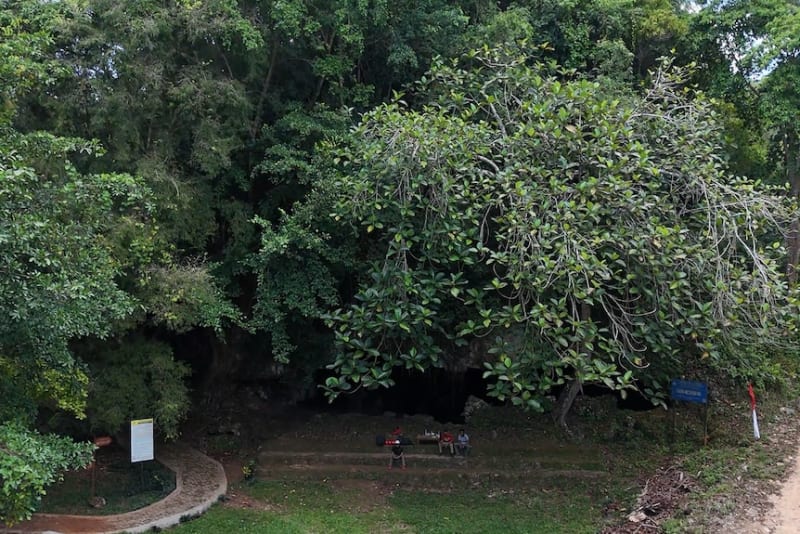
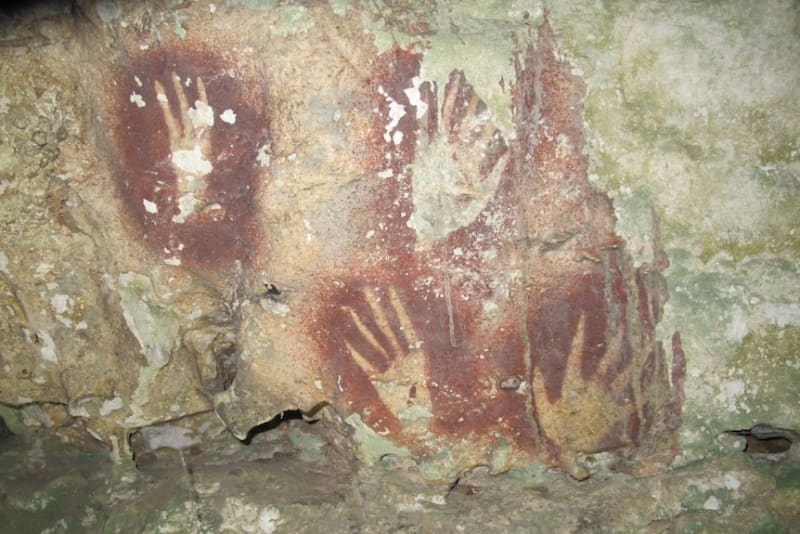
The ancient hand stencils, found in Liang Metanduno cave on Muna Island, date back at least 67,800 years. That makes them more than 1,000 years older than the previous record holder: cave etchings in Spain created by Neanderthals.
"This is the earliest evidence we have for humans creating cave art of any kind," said Adam Brumm, an archaeologist at Griffith University who led the research team. The discovery, published in Nature, reveals two faint ochre outlines where someone placed their hand on the wall during the last ice age and blew pigment around it.
What makes these stencils unique is their style. The hands were repositioned after the first application to create narrower, claw-like fingers, a technique found nowhere else in the world.
The cave itself is already a tourist destination, famous for paintings about 4,000 years old. But using digital tracing technology, the team spotted much older art hiding behind the newer works.
Dating the stencils required examining calcium carbonate deposits that formed on top of the paintings over thousands of years. Because these deposits grew after the art was created, the actual age could be even older than 67,800 years.
The Ripple Effect
The discovery does more than push back the timeline of human creativity. It strengthens the case for when people first arrived in Australia.
If humans were making art on Muna Island 67,800 years ago, it supports archaeological evidence showing people reached Australia by 65,000 years ago. During the ice age, lower sea levels connected many Indonesian islands, creating a possible migration route.
Until now, researchers struggled to find evidence of humans in this region from that time period. No bones, fire pits, or other archaeological traces had been discovered, leading some scientists to question the timeline of Australia's first inhabitants.
Susan O'Connor, an archaeologist at the Australian National University, noted that while migration models suggested a northern route through these islands, "archaeological evidence was lacking." This cave art fills that gap.
The team is now exploring other limestone caves in the area, hoping to find more evidence of early human occupation. Each discovery helps piece together the story of how our ancestors spread across the globe, creating art and culture along the way.
Someone stood in that cave nearly 70,000 years ago and left their mark, and today we can still see the outline of their hand reaching across time.
More Images

Based on reporting by ABC Australia
This story was written by BrightWire based on verified news reports.
Spread the positivity!
Share this good news with someone who needs it