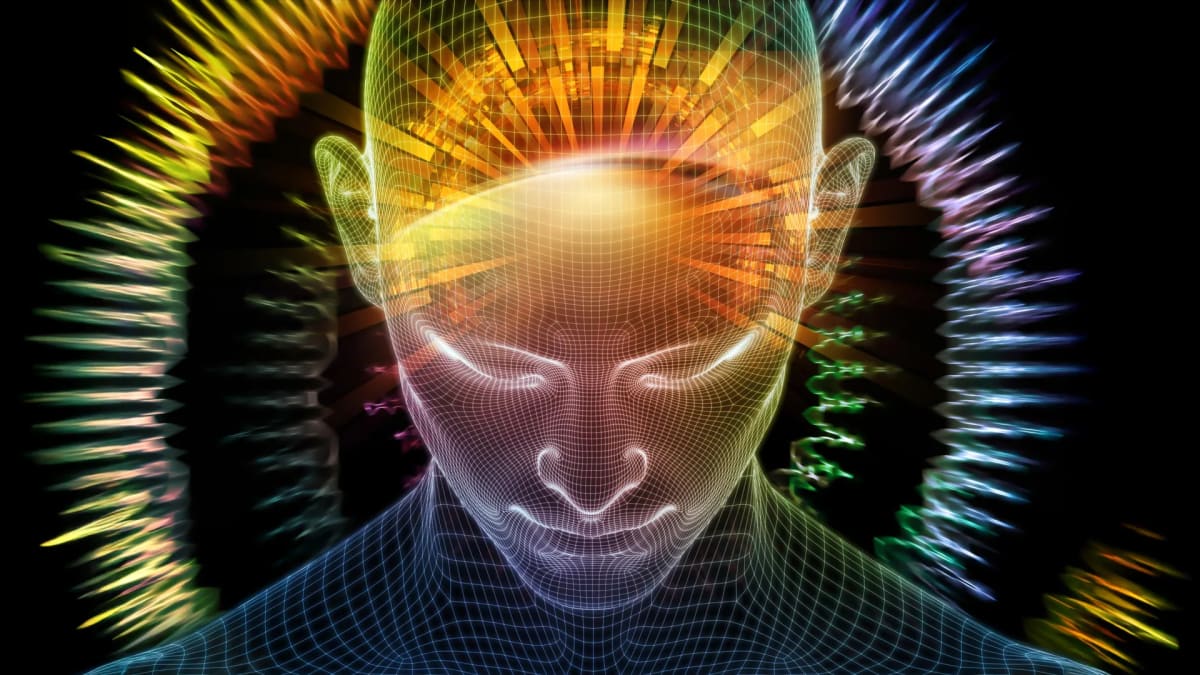
7 Days of Meditation Rewires Brain Like Psychedelics
Just one week of intensive meditation produced brain changes that scientists usually see only with psychedelic drugs. Researchers at UC San Diego measured dramatic shifts in brain connectivity, immunity, and natural pain relief.
Your brain can transform in just seven days without a single pill.
Scientists at the University of California San Diego discovered that a weeklong meditation retreat produced brain changes so profound they mirrored the effects of psychedelic substances. The research, published in Communications Biology, marks the first time researchers have systematically measured how multiple mind-body techniques affect both brain activity and blood chemistry simultaneously.
Twenty healthy adults participated in a seven-day residential program that included 33 hours of guided meditation and group healing activities. Researchers scanned their brains and analyzed their blood before and after the retreat to track biological changes.
The results surprised even the scientists. Brain scans showed decreased activity in regions linked to mental chatter, suggesting more efficient brain function. Blood samples revealed increased levels of endogenous opioids, the body's natural painkillers, along with enhanced immune signaling and metabolic changes.
Perhaps most striking was what happened in the lab. When researchers exposed lab-grown neurons to blood plasma collected after the retreat, those neurons extended more connections and showed signs of enhanced growth. This suggests the meditation practice triggered changes in participants' blood that actively promoted brain cell development.
Participants also reported deeper mystical experiences after the retreat, scoring higher on measures of unity, transcendence, and altered awareness. Those who had the most profound subjective experiences also showed the strongest biological changes, including greater coordination between different brain regions.
"We're seeing the same mystical experiences and neural connectivity patterns that typically require psilocybin, now achieved through meditation practice alone," said senior author Dr. Hemal Patel, professor of anesthesiology at UC San Diego School of Medicine.
The Bright Side
This research offers concrete evidence that meditation does more than help people relax. The combination of enhanced neuroplasticity, balanced immune response, and increased natural pain relief chemicals suggests these practices could help with emotional regulation, stress resilience, and even chronic pain management.
The study also bridges ancient wisdom with modern science. Mind-body practices have been used for thousands of years, but scientists have struggled to explain exactly how they affect physical health. This research shows that focused mental practice can influence biological systems throughout the body in measurable, meaningful ways.
What makes these findings especially hopeful is their accessibility. Unlike pharmaceutical interventions that require prescriptions, approvals, and monitoring, meditation practices can be learned and applied by anyone willing to invest the time and effort.
The researchers plan to study whether similar programs could help people with chronic conditions, potentially opening new pathways for treating both mental and physical health challenges.
A week of focused practice may be all it takes to fundamentally change how your brain engages with the world.
Based on reporting by Health Daily
This story was written by BrightWire based on verified news reports.
Spread the positivity!
Share this good news with someone who needs it

.jpg)