7 Water-Saving Farm Methods Help Crops Thrive in Droughts
Farmers worldwide are adopting smart irrigation and planting techniques that slash water use while boosting harvests. These seven practical methods prove sustainable farming can protect both crops and our planet's precious water supply.
Farms across the globe are proving you don't need more water to grow more food. Smart techniques are helping farmers conserve thousands of gallons while keeping their fields healthy and productive.
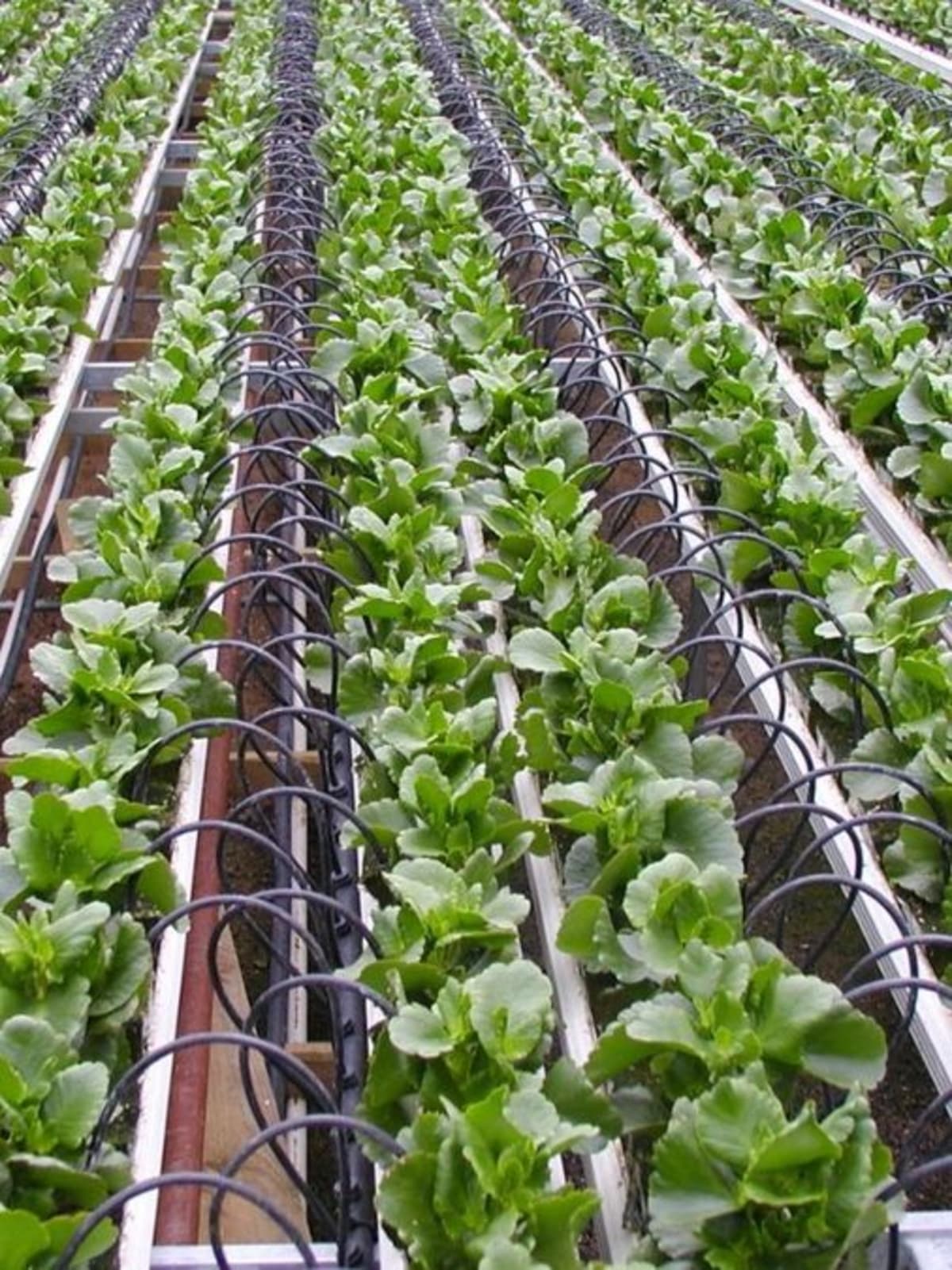
Drip irrigation leads the charge by delivering water straight to plant roots through tiny tubes. This precise method cuts water waste dramatically compared to traditional flooding techniques that lose moisture to evaporation and runoff.
Sprinkler systems offer another efficient option, mimicking gentle rainfall across entire fields. The even distribution keeps soil consistently moist without oversaturating, giving crops exactly what they need when they need it.
Some of the simplest solutions come from nature itself. Mulching with straw or leaves creates a protective blanket over soil that locks in moisture and regulates temperature, reducing watering needs by up to 50 percent in some climates.
Rainwater harvesting turns rooftops and fields into collection zones for nature's free irrigation system. Stored properly, captured rainwater can sustain crops through weeks of drought, giving farmers insurance against unpredictable weather.
Strategic crop choices multiply water savings even further. Rotating different crops each season refreshes soil nutrients naturally, while intercropping pairs complementary plants that share water more efficiently than monocultures.
Drought-resistant varieties like sorghum and pulses are game changers for dry regions. These hardy crops evolved to thrive with minimal water, offering farmers reliable harvests even when rainfall disappoints.
The Ripple Effect
These techniques are spreading rapidly through farming communities as climate patterns shift. What starts as one farmer's water bill savings becomes a regional water supply protected for entire communities downstream.
Countries facing severe water scarcity are now training thousands of farmers in these methods. India, Kenya, and parts of the American West report farms cutting water use by 30 to 70 percent while maintaining or even increasing yields.
The knowledge transfer happens farmer to farmer too, as neighbors see healthier crops using less water and ask how it's done.
These aren't futuristic technologies but practical tools farmers can implement today, protecting harvests and water resources for generations to come.
Based on reporting by The Better India
This story was written by BrightWire based on verified news reports.
Spread the positivity!
Share this good news with someone who needs it