700 EVs in Germany Help Stabilize Power Grid Successfully
Electric vehicles from 700 households just proved they can help prevent power outages while saving their owners money. A German pilot project shows how your parked car could become part of the clean energy solution.
Your electric car spends most of its life parked, but what if those idle hours could help keep the lights on for everyone?
Germany just answered that question with a resounding yes. TransnetBW and Octopus Energy completed a pilot project called OctoFlexBW that turned 700 household electric vehicles into a flexible power resource for the national grid.
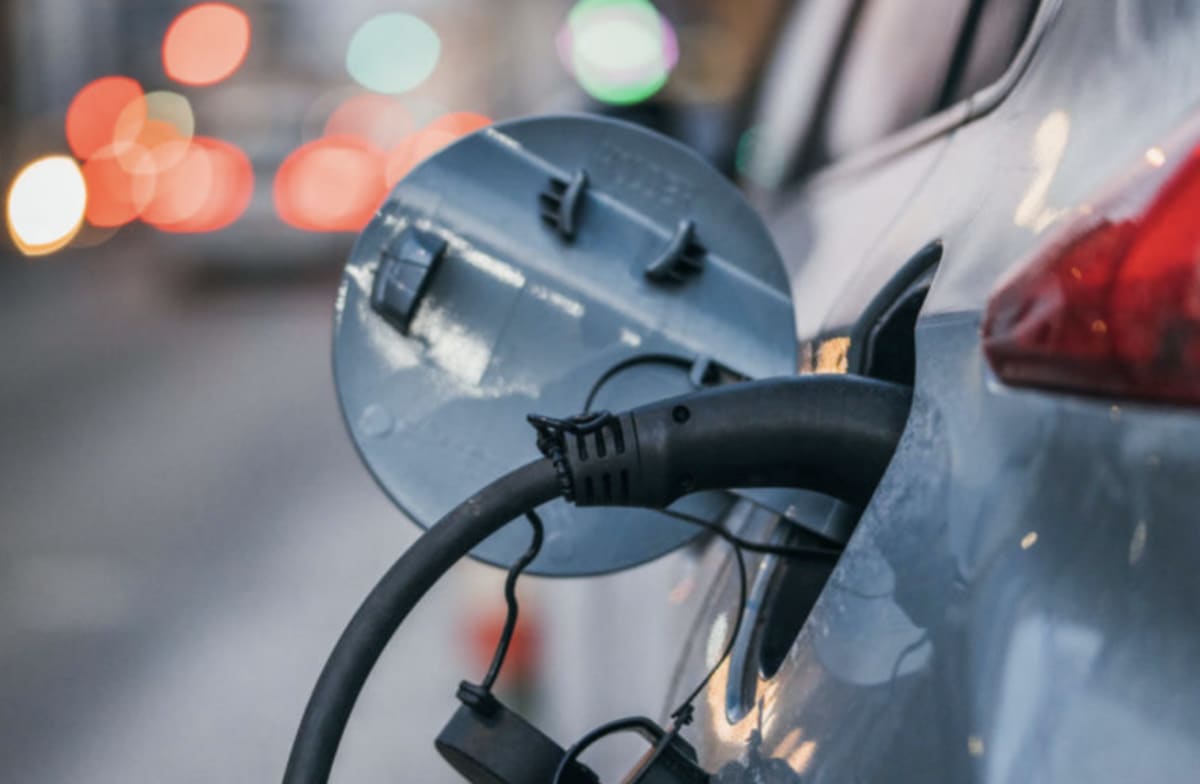
Here's how it worked. Participating drivers simply told the system when they needed their car fully charged, like "ready by 7 AM tomorrow." Within that window, smart software automatically adjusted when the cars charged based on grid conditions and electricity prices.
When the power grid faced congestion, the system operator sent signals to shift or reduce charging at just the right times. The cars provided about 2 megawatt hours of flexibility daily, helping balance supply and demand without anyone missing a school run or work commute.
The best part? Drivers noticed absolutely no difference in their daily lives. Their cars were always charged when needed, and they paid lower electricity rates for participating.
The results point to massive potential. If one million EVs joined the program, they could provide several gigawatt hours of flexibility every day and handle a significant portion of Germany's current grid balancing needs.
The Ripple Effect
This breakthrough goes far beyond just electric cars. As more homes add heat pumps, batteries, and other electric devices, they could all work together to keep the grid stable without firing up polluting backup power plants.
The project automated every step, from forecasting congestion to calculating payments, proving the technology works today. Germany's existing Redispatch 2.0 framework supported the pilot, though the companies suggest evolving toward market based flexibility could unlock even more benefits.
TransnetBW and Octopus Energy are already planning their next phase. DataFleX will add more vehicles and technologies while exploring whether the model works across different grid levels and neighboring European countries.
The timing couldn't be better as transportation and home heating shift toward electricity, creating both challenges and opportunities for aging power grids.
Turning millions of parked cars into grid helpers could make clean energy more reliable for everyone.
More Images
Based on reporting by PV Magazine
This story was written by BrightWire based on verified news reports.
Spread the positivity!
Share this good news with someone who needs it