70,000 Ebola Vaccine Doses Rush to DRC Amid Outbreak
The world is racing to help the Democratic Republic of the Congo fight its fastest-moving Ebola outbreak in history, with the first of 70,000 vaccine doses arriving Friday. While health workers face enormous challenges, the international community is stepping up with unprecedented speed.
More than 16,000 vaccine doses landed at Kinshasa's airport late Friday, marking the beginning of a massive global effort to help the Democratic Republic of the Congo combat a rapidly spreading Ebola outbreak. The World Health Organization and partners committed to delivering 70,000 total doses, with more shipments expected early this week.
The current outbreak has spread to six provinces and presents unique challenges for health workers on the ground. It's caused by a rare strain of Ebola called Bundibugyo, which can be harder to detect because its symptoms resemble common illnesses like malaria.
The Ervebo vaccine arriving in the DRC was originally developed for a different Ebola strain called Zaire, where it proved highly effective in past outbreaks. Health officials believe it may offer some protection against the Bundibugyo strain, giving hope to communities desperate for help.
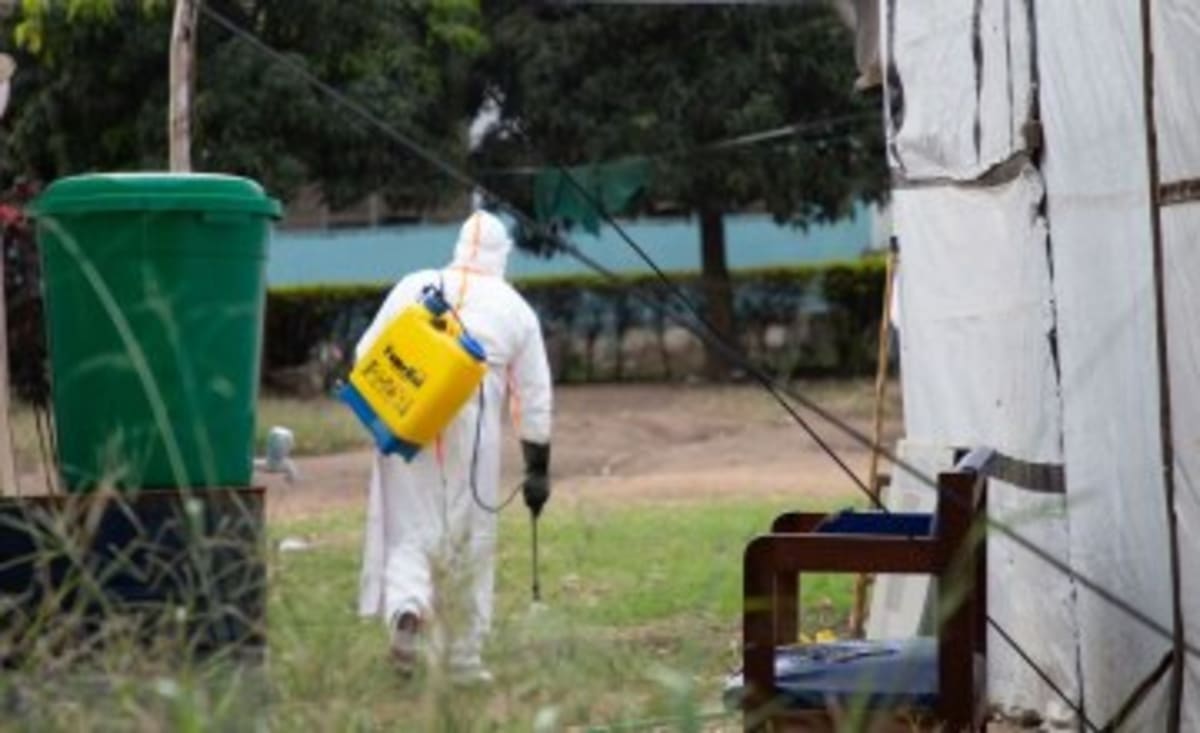
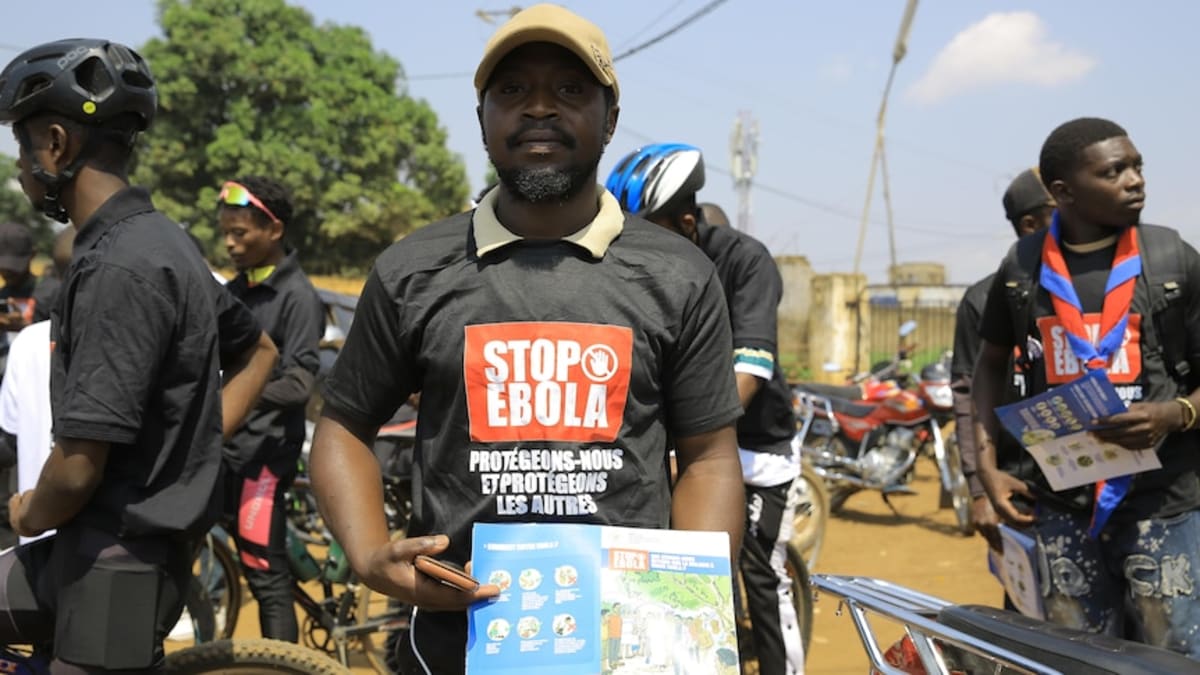
Health workers in affected areas continue showing up despite difficult conditions, including regional instability and inadequate resources. Their dedication persists even as they face suspicion from some communities and risk their own health to stop the outbreak's spread.
The response has mobilized international partners at record speed. The vaccine announcement on Thursday led to Friday's delivery, demonstrating how quickly the global health community can move when lives are at stake.
Why This Inspires
This story shows humanity at its best during crisis moments. Health workers in the DRC risk everything to serve their communities, while scientists and public health officials worldwide rush to provide tools that might save lives. The speed of the international response reflects years of lessons learned from past outbreaks, particularly the West African epidemic that claimed over 11,000 lives between 2014 and 2016.
Even without a perfect solution, people are refusing to stand by. They're working with the tools available, sharing knowledge across borders, and showing up for communities in desperate need.
The road ahead remains challenging, but 70,000 doses represent 70,000 reasons for hope.
More Images

Based on reporting by ABC Australia
This story was written by BrightWire based on verified news reports.
Spread the positivity!
Share this good news with someone who needs it