71% of Patients Back AI Mammogram Readers With Doctor Review
A new study shows most women trust artificial intelligence to help read their breast cancer screenings, as long as a real doctor reviews the results. The finding offers hope that cutting-edge technology can improve care while keeping the human touch patients value most.
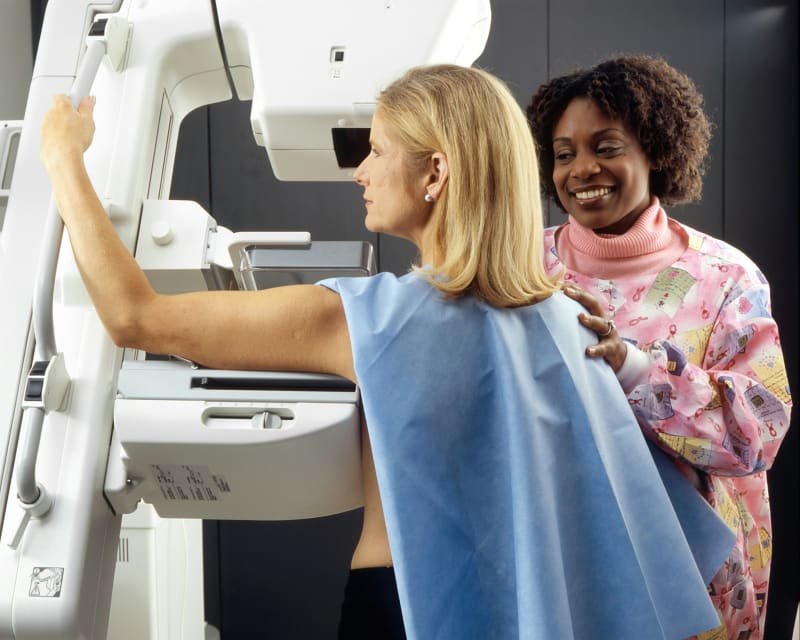
Women getting mammograms have spoken, and they're surprisingly open to letting artificial intelligence help detect breast cancer. A groundbreaking study from UT Southwestern Medical Center found that 71% of patients support AI assisting with mammogram interpretation, though nearly all want a radiologist's eyes on the results too.
Researchers surveyed 924 women across two very different Dallas hospitals: a private academic center and Parkland Health, which serves uninsured patients. What they discovered challenges assumptions about who accepts new medical technology.
The patients drew a clear line in the sand. While most welcomed AI as a helpful tool, only 7% trusted it to work alone. Nearly 60% said they'd rather wait hours or even days for a doctor's interpretation than get instant AI-only results.
"This is the first study to measure patient perspectives on AI in mammography in different hospital settings," said Dr. Basak Dogan, who led the research published in Breast Cancer Research and Treatment. The timing matters because UT Southwestern integrated AI into its mammogram readings in early 2023, right before the study began.
The technology represents a major upgrade from older computer systems that flagged too many false alarms. Modern AI learns from massive datasets and spots suspicious areas with better accuracy, reducing unnecessary callbacks and helping radiologists feel more confident.
Transparency emerged as non-negotiable. Nearly 74% of women wanted to be informed or give consent before AI analyzes their scans. More than 80% expressed concerns about at least one issue, from data privacy to potential bias to how AI might change their relationship with doctors.
The findings revealed important differences too. Black women showed lower acceptance rates and greater privacy worries, highlighting the need for culturally sensitive communication as these tools roll out. Interestingly, initial differences between the two hospitals disappeared once researchers adjusted for age, education, income, and race.
The Ripple Effect: This research arrives at a crucial moment as AI spreads through healthcare. By listening to what patients actually want, doctors can build these powerful tools in ways that enhance trust rather than erode it. The study shows a clear path forward: transparency about AI's role, proper consent processes, and safeguards protecting patient data.
Dr. Emily Knippa, who helped lead the study, emphasized the practical takeaway. "As AI is increasingly used in breast imaging interpretation, attention should be paid to educate patients about the role of AI, obtain consent for its use, and provide safeguards to protect data privacy," she said.
The research proves that patients aren't afraid of progress when it keeps people at the center of care.
More Images

Based on reporting by Medical Xpress
This story was written by BrightWire based on verified news reports.
Spread the positivity!
Share this good news with someone who needs it