72-Year-Old Craftsman Brings 400-Year-Old Robots to London
A master craftsman wowed London audiences with wooden dolls that move without electricity, keeping alive a 400-year-old Japanese art form. These mechanical marvels use only gears and threads to create lifelike movements.
Imagine a wooden doll serving you tea with graceful, human-like movements, powered by nothing but clockwork gears and silk threads.
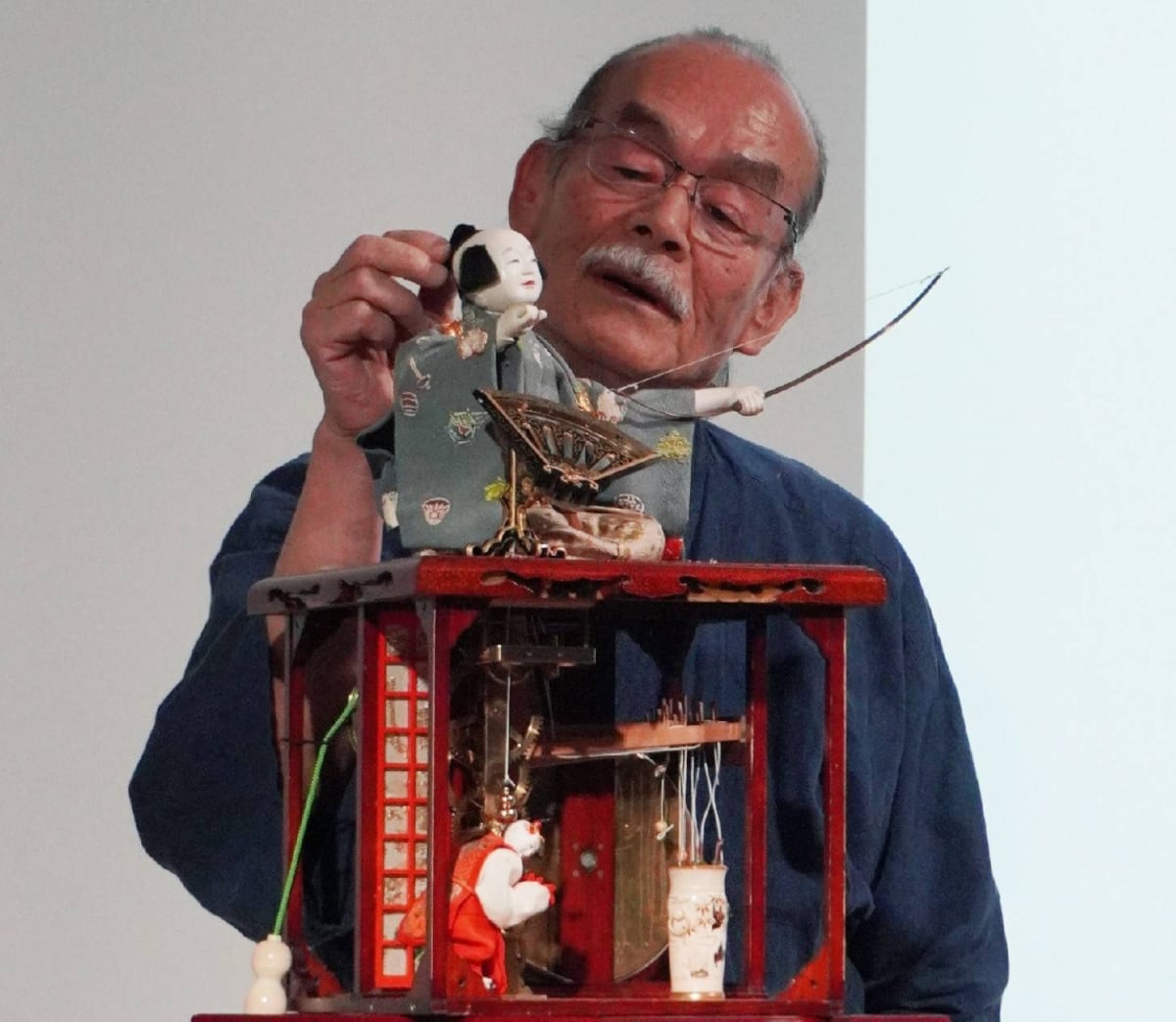
That's exactly what captivated audiences at Japan House London last Friday when 72-year-old master craftsman Tamaya Shobei IX demonstrated karakuri ningyo, traditional Japanese mechanical puppets that have enchanted people since the 1600s. These aren't modern robots but intricate wooden automata that move with surprising sophistication using zero electricity.
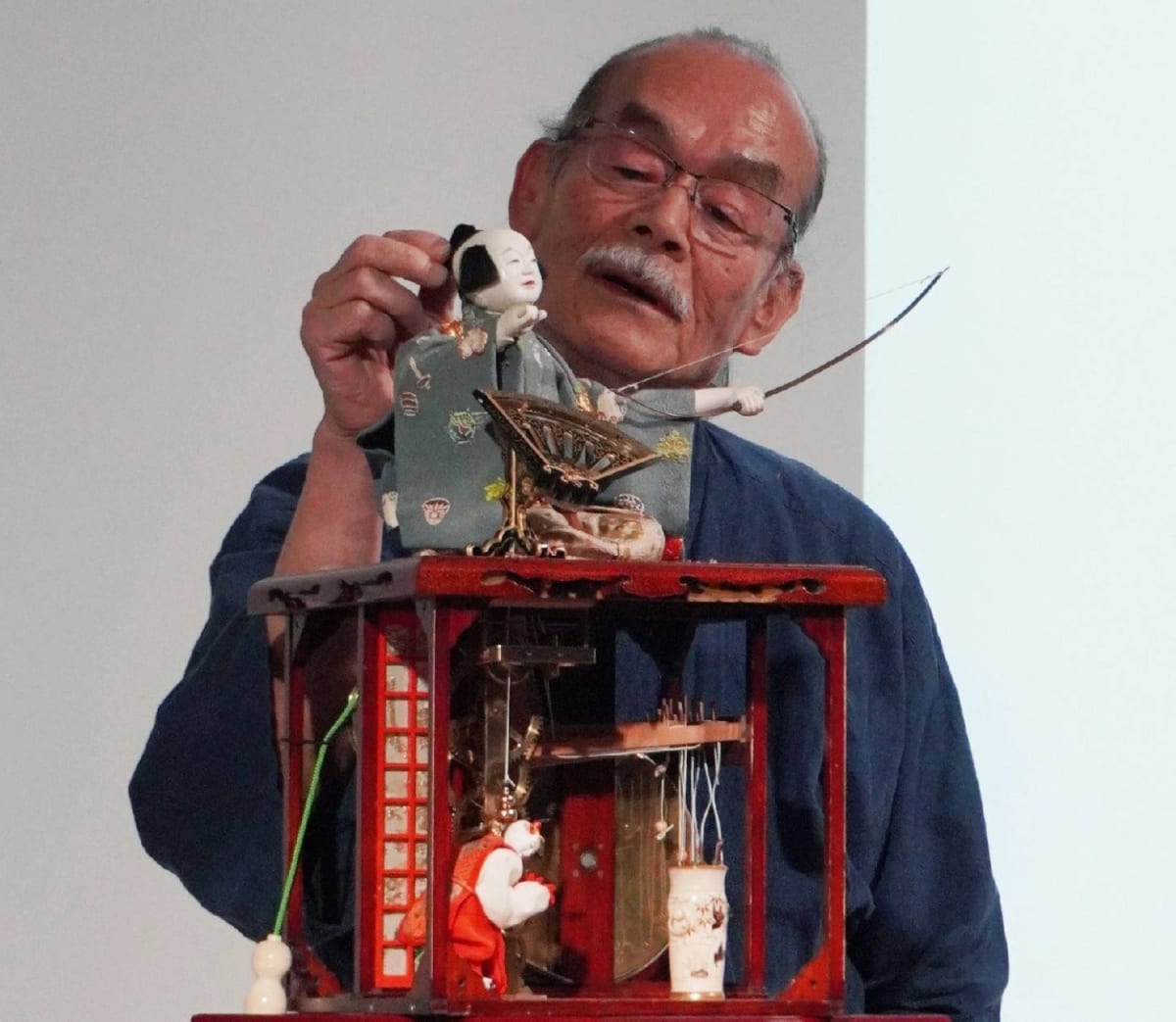
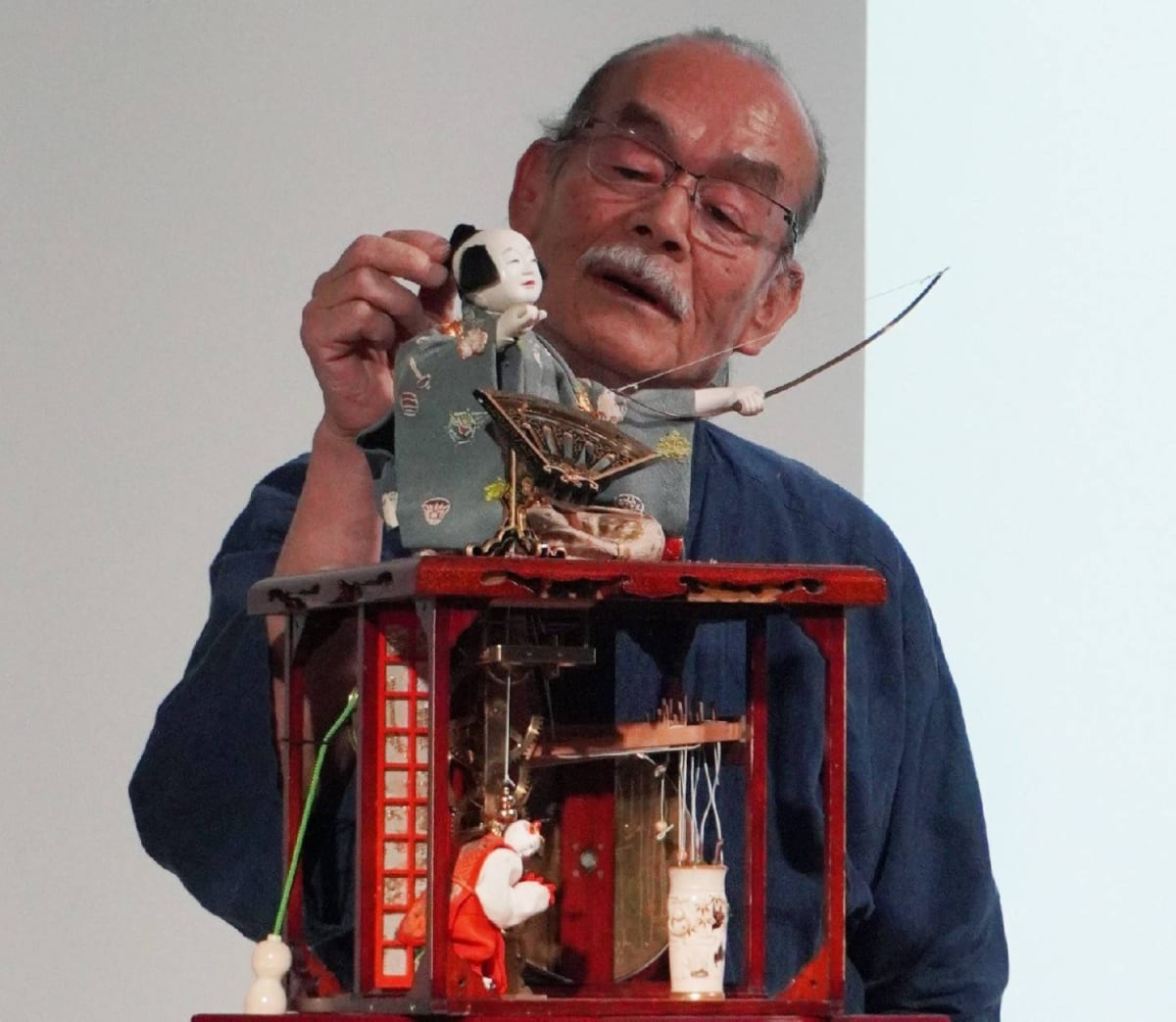
Tamaya, whose real name is Shoji Takashina, traveled from his workshop in Nagoya to share two styles of these mechanical wonders. The "Zashiki Karakuri" features a clockwork doll that picks up a teacup and carries it across a surface with delicate precision. The "Dashi Karakuri" showcases even more complexity, with internal threads controlling multiple movements simultaneously to create eerily lifelike expressions and gestures.
The dolls became popular during Japan's Edo Period from 1603 to 1867, when craftsmen developed ingenious wooden gear systems and thread mechanisms without any modern technology. Puppeteers learned to manipulate these creations so skillfully that the dolls' limbs and facial features could express genuine emotion.
After his demonstration, curious audience members peppered Tamaya with questions about the materials and inner workings of his creations. He patiently explained how each doll represents generations of engineering knowledge passed down through families like his, where he carries the title of ninth-generation master.
Why This Inspires
Tamaya's work proves that some innovations never become obsolete. While modern robotics labs chase artificial intelligence with cutting-edge computers, this craftsman achieves remarkably lifelike movement using techniques his ancestors perfected centuries ago. His dedication preserves not just dolls but an entire philosophy of patient craftsmanship.
The craftsman explained that Aichi Prefecture became a center for this technology because the samurai class supported and funded these artisans. That historical investment in skilled manufacturing laid the groundwork for the region's continued reputation for precision engineering today, connecting Japan's past directly to its present.
"I hope this occasion will help deepen people's understanding of and interest in Japanese culture," Tamaya said, his life's work bridging centuries and continents in a single afternoon performance.
His mission continues one demonstration at a time, proving that wonder needs no batteries.
More Images

Based on reporting by Japan Times
This story was written by BrightWire based on verified news reports.
Spread the positivity!
Share this good news with someone who needs it