74 Nations Leapfrog Fossil Fuels With Clean Energy
Developing countries are bypassing traditional power grids and jumping straight to solar and batteries, bringing electricity to communities the fossil fuel system left behind. Half of these nations already beat the United States in solar adoption.
A billion people are getting access to electricity faster and cheaper than anyone thought possible, and they're skipping fossil fuels entirely.
Seventy-four developing nations across Africa, Asia, the Caribbean, Latin America, and the Pacific are racing ahead with solar panels, batteries, and electric technologies. Most of these countries spent decades waiting for traditional power plants and grid lines that never came.
Now they don't need them. Solar costs have plummeted so dramatically that panels now require less upfront money than fossil fuel plants. Just ten years ago, solar needed five times more capital to get started.
The numbers tell an incredible story. Half of these vulnerable nations have already surpassed the United States in solar penetration. In eight out of ten countries, people have imported three times more solar equipment than official records show as installed capacity, suggesting communities are building their own power systems from the ground up.
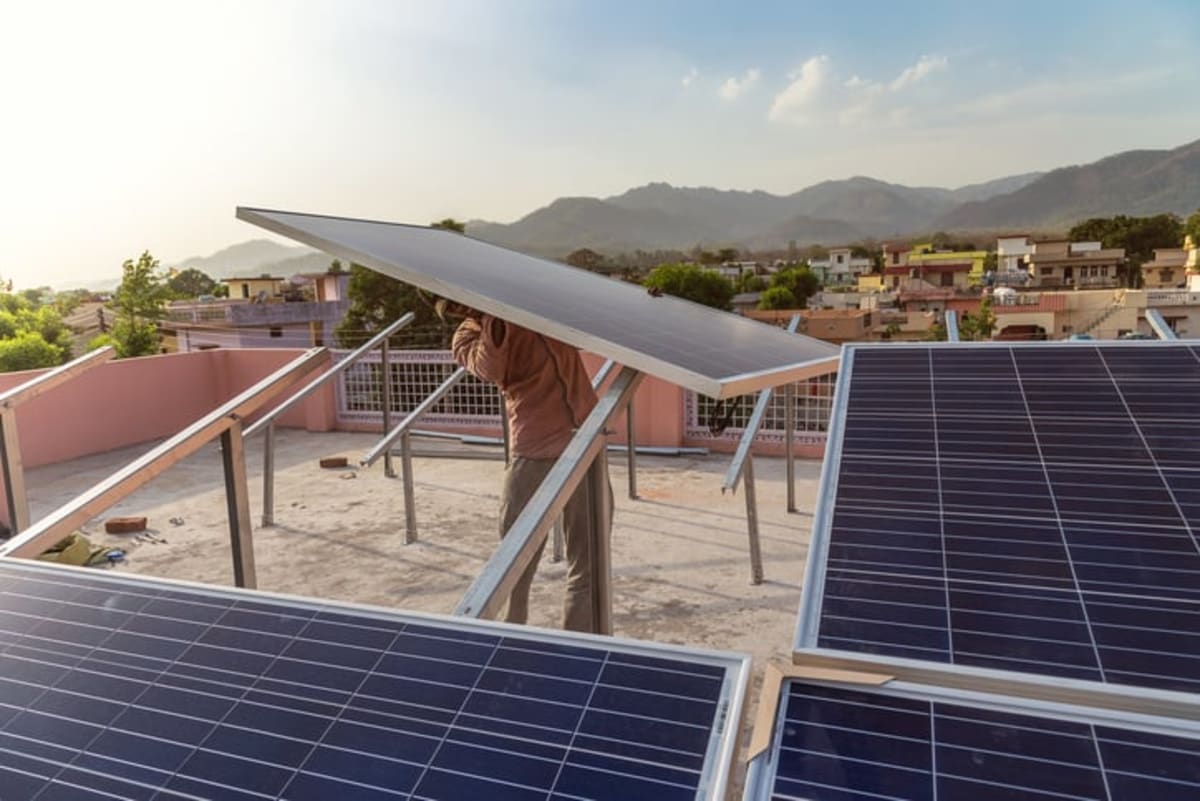
Off-grid solar and battery systems now cost less than extending power lines to remote villages more than a few dozen kilometers away. Electric motorcycles, cooling systems, and other technologies have dropped in price by 30 to 95 percent over the past decade.
These countries spent $155 billion importing fossil fuels in 2024 alone. Every solar panel and battery installed means less money flowing out to foreign oil and gas suppliers, and more protection against global price shocks.
The timing couldn't be better. Most of these nations haven't yet built large-scale fossil fuel infrastructure. Their energy use still relies heavily on traditional biomass like wood and charcoal, which is inefficient but easy to move away from because there's no massive industrial investment to abandon.
The Ripple Effect
This transformation reaches far beyond electricity access. Reliable power means farmers can refrigerate crops, students can study after dark, and health clinics can store vaccines. Small businesses can run equipment that was impossible before.
These countries also hold strategic advantages in the new energy economy. They possess critical minerals needed for batteries and solar panels. They offer prime manufacturing locations. Their growing consumer markets are attracting attention from China, the United States, and Europe, all competing for partnerships.
The conventional development path that worked for wealthy nations a century ago simply failed to reach these communities at scale. Centralized fossil fuel systems required too much capital upfront and too much government capacity to build and maintain.
The new path works differently. Solar and batteries can scale up in small pieces, growing organically as communities gain resources. A village can start with a few panels and add more as needs expand.
Countries like Bangladesh, Kenya, and Vietnam are already on the fast track, proving the model works at national scale.
The choice facing the remaining nations is clear: invest in yesterday's expensive, imported energy or leap forward to today's affordable, local power. More countries are choosing the leap every month.
More Images




Based on reporting by Google: clean energy investment
This story was written by BrightWire based on verified news reports.
Spread the positivity!
Share this good news with someone who needs it