74 of 96 Bee Species Have Built-In Magnetic Compasses
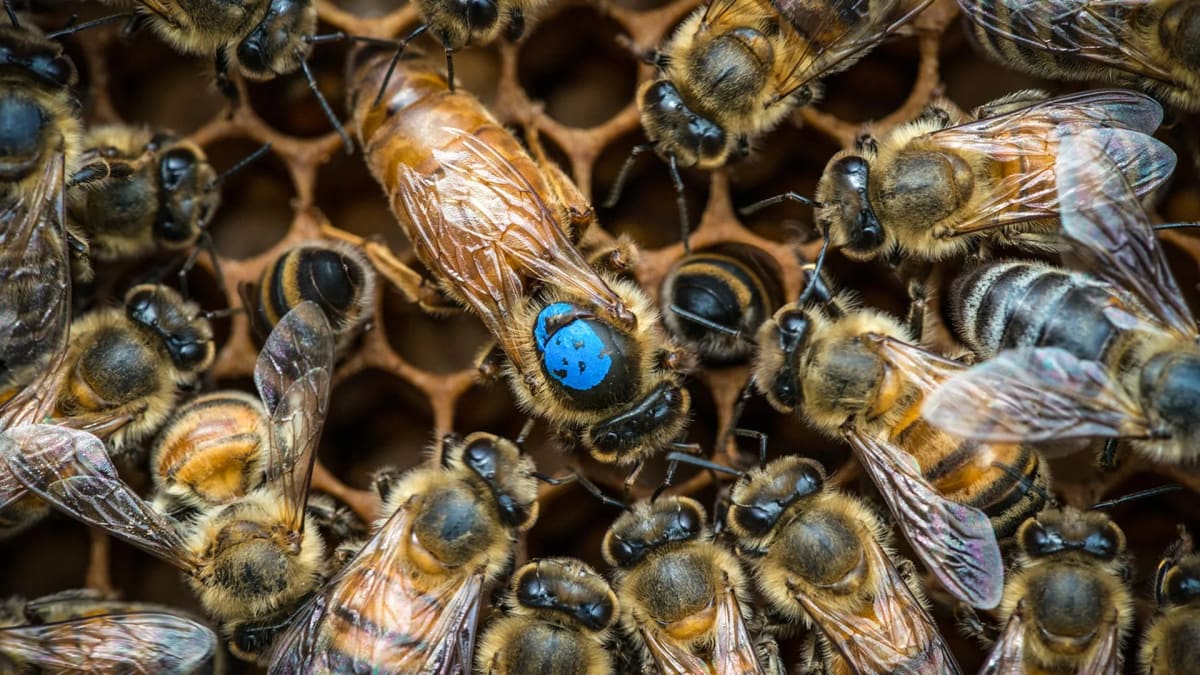
Scientists just discovered that most bees navigate using tiny internal magnetic compasses, and this superpower might be ancient. Even bees that live alone showed strong magnetic properties, completely surprising researchers who expected to find this trait only in social species like honeybees.
Bees might have a superpower we're only now beginning to understand: tiny magnetic compasses that help them navigate the world.
Researchers at the University of Tennessee tested 96 different bee species and found that 74 of them showed magnetic properties. This stunning discovery suggests that far more bees than previously thought may be able to detect and use Earth's magnetic field to find their way around.
For decades, scientists knew that honeybees living in colonies could sense magnetism. They assumed this internal compass evolved because honeybees needed to communicate flower locations to their hivemates through dances that reference both the sun and Earth's magnetic field.
To test whether other bees shared this trait, researchers collected specimens from across the bee family tree. They ground dried bee specimens into powder and measured how magnetic the powder was using a magnetometer.
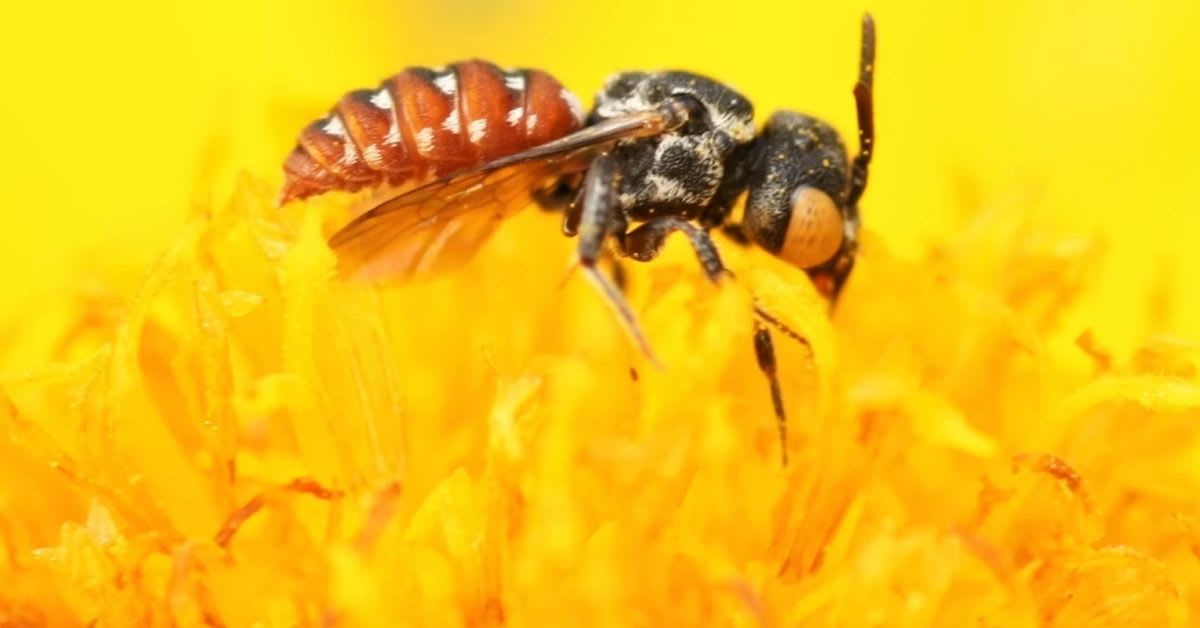
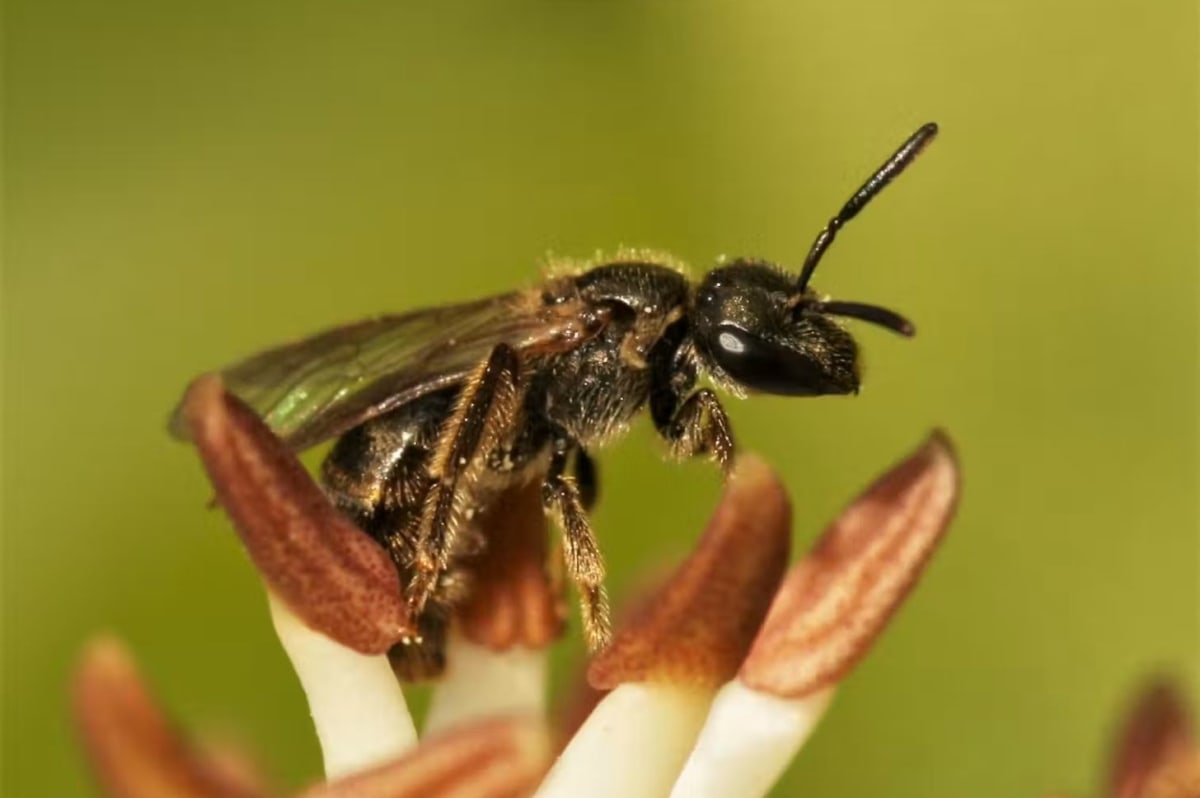
The results shocked everyone. Both social bees and solitary bees showed strong magnetic responses. Large bees and small bees. Ground-dwelling bees and cavity-nesting bees. Even nocturnal bees tested positive.
The findings forced researchers to completely rethink their assumptions. Magnetism wasn't just for social species coordinating colony life. It appeared across nearly every type of bee they examined, plus beetles, wasps, and flies tested for comparison.
This discovery suggests that magnetic navigation is an ancient trait, likely inherited from a common ancestor millions of years ago. Rather than being a special adaptation for complex social behavior, it might be a fundamental sense that bees have carried through evolutionary time.
The Ripple Effect
Understanding how bees navigate matters more than ever. Pollinators face mounting challenges from habitat loss, pesticides, and climate change. Knowing that most bee species rely on magnetic fields to find food and return home could reshape conservation strategies.
If magnetic disruptions from human activity interfere with bee navigation, we need to account for that in how we design farms, cities, and infrastructure. This research opens doors to protecting not just honeybees, but the dozens of solitary bee species that quietly pollinate wild plants and crops.
The discovery also reveals how much we still don't know about the creatures sharing our planet. Scientists still can't explain exactly how magnetoreception works in bees or which body parts sense magnetic fields. The magnetic signal appeared throughout bee bodies, not concentrated in eyes or antennae as some theories predicted.
Every answered question spawns new mysteries waiting to be solved, and that's exactly what makes science beautiful.
More Images
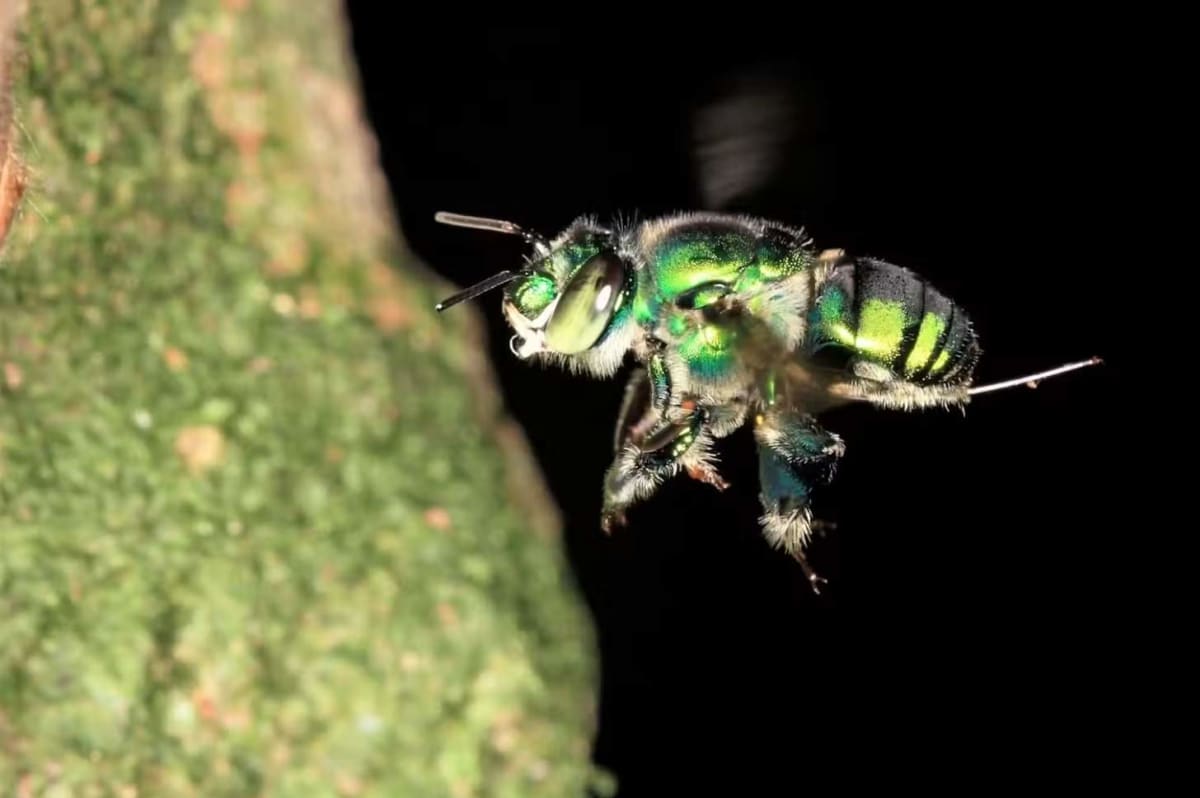


Based on reporting by Google News - Scientists Discover
This story was written by BrightWire based on verified news reports.
Spread the positivity!
Share this good news with someone who needs it