780 Volunteers Nurse Injured Wildlife Back to Health in NY
Across New York, 780 licensed volunteers are turning their homes into recovery centers for injured wildlife, treating everything from flying squirrels to bald eagles. They pay out of pocket and work for free, driven purely by their love for animals.
In the Catskills, Dave Loverde cradles a two-week-old flying squirrel in his palm, one of 200 wild animals he'll care for this year before releasing them back into nature. He's part of a growing network of 780 New Yorkers who have transformed their homes into wildlife hospitals, and they don't accept a single paycheck for the work.
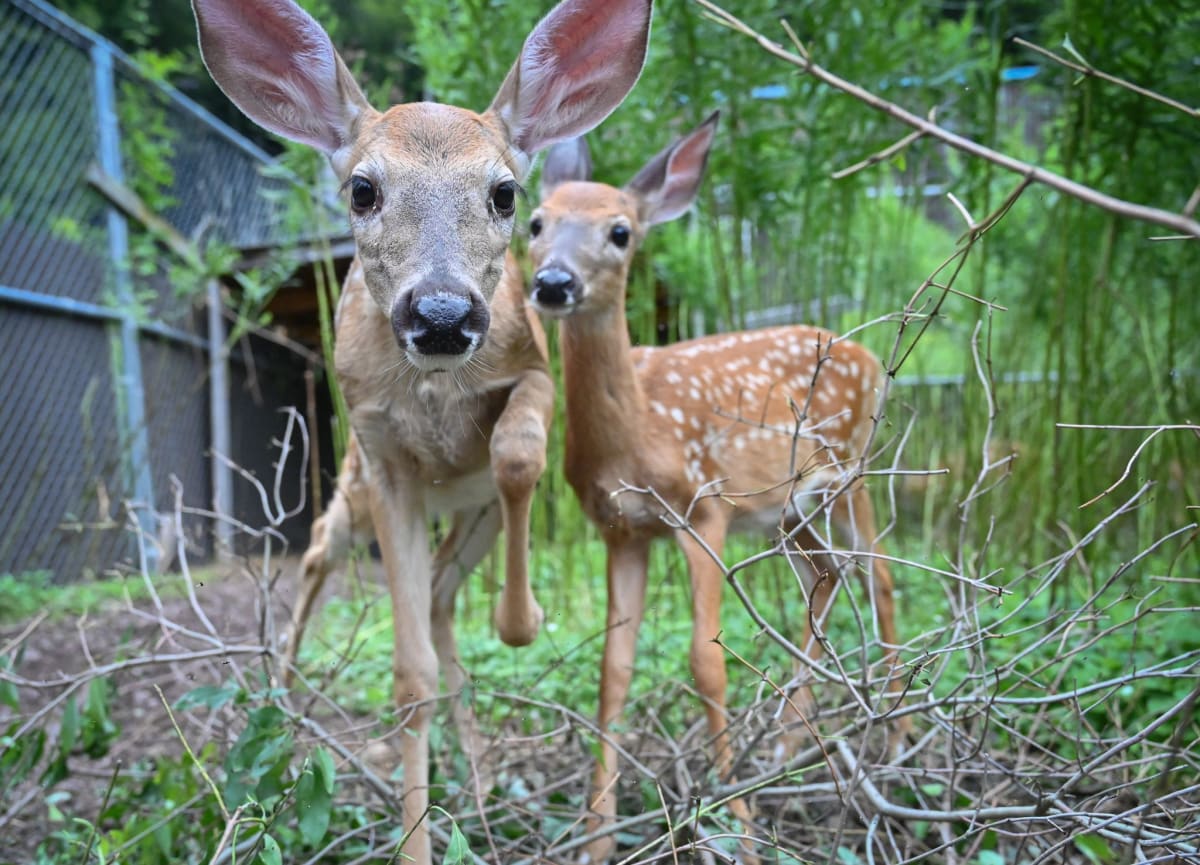
These state-licensed rehabilitators treat injured, sick, and orphaned animals ranging from tiny squirrels to 5-foot-wingspan bald eagles. Loverde's Friends of the Feathered and Furry Wildlife Center currently houses great horned owls, black bears, bobcats, coyotes, and even an osprey, all recovering in specialized enclosures on his property.
The work requires serious dedication and expense. Loverde buys mice from research labs at a dollar each to feed his recovering raptors and stocks his eagle enclosure with trout so they can practice hunting. Baby animals need species-specific formulas, and the volunteers cover every cost through donations alone.
When someone spots an injured red-tailed hawk or finds baby raccoons shivering in the cold, these rehabilitators spring into action. They work as a loose network, with different volunteers specializing in different species, often collaborating with Cornell University's Janet L. Swanson Wildlife Hospital and local veterinarians who donate their services.
Tonya Frickey, who runs Catskill Mountain Wildlife Rehabilitation from her Cairo home, has been "that kid with a critter in her pocket" since age 15. She now leads a team of 10 volunteers who care for small mammals like squirrels and opossums from their own homes.
The rehabilitators master a delicate balance: healing animals while ensuring they don't bond with humans. Volunteers wear masks and use hand puppets to feed baby birds, and bears receive their meals through sliding doors so they never see a person. The strategy works. When Loverde enters enclosures, most animals flee to the far corners, and the great horned owls puff their feathers and clack their beaks in warning.
The Ripple Effect
This volunteer network has created an invisible safety net across New York. Summer brings an influx of orphaned babies after breeding season, and concerned citizens now know exactly who to call. Police departments keep rehabilitator contact lists, and word spreads through communities about who can help which species.
The collaboration extends beyond individual volunteers. Cornell's wildlife hospital performs complex surgeries, private veterinarians donate their expertise, and research labs provide affordable food supplies. Together, they've built a system that gives hundreds of wild animals a second chance each year.
These 780 licensed volunteers prove that compassion doesn't need a paycheck, and their homes have become healing centers where wildlife gets the care it needs to thrive again.
Based on reporting by Google News - Wildlife Recovery
This story was written by BrightWire based on verified news reports.
Spread the positivity!
Share this good news with someone who needs it