8 African Nations Unite to Protect Shared Water Resources
Eight countries in Southern Africa are joining forces to tackle climate challenges threatening the Zambezi River, which millions depend on for drinking water, food, and energy. Officials from the region just wrapped up a groundbreaking knowledge exchange in Uganda, learning new ways to manage shared rivers in a changing climate.
Officials from eight African nations are proving that climate challenges can bring countries together instead of driving them apart.
The Zambezi Watercourse Commission recently sent 24 officials to Uganda to learn from the Nile Basin Initiative about managing rivers that cross borders. The timing couldn't be more critical: changing rainfall patterns are already affecting water supplies that millions of people rely on across Angola, Botswana, Malawi, Mozambique, Namibia, Tanzania, Zambia, and Zimbabwe.
"The Zambezi River Basin faces increasing climate variability that affects water availability, ecosystems, energy production, and livelihoods across the basin," says Felix Ngamlagosi, executive secretary of the commission. The good news? Countries are choosing cooperation over competition.
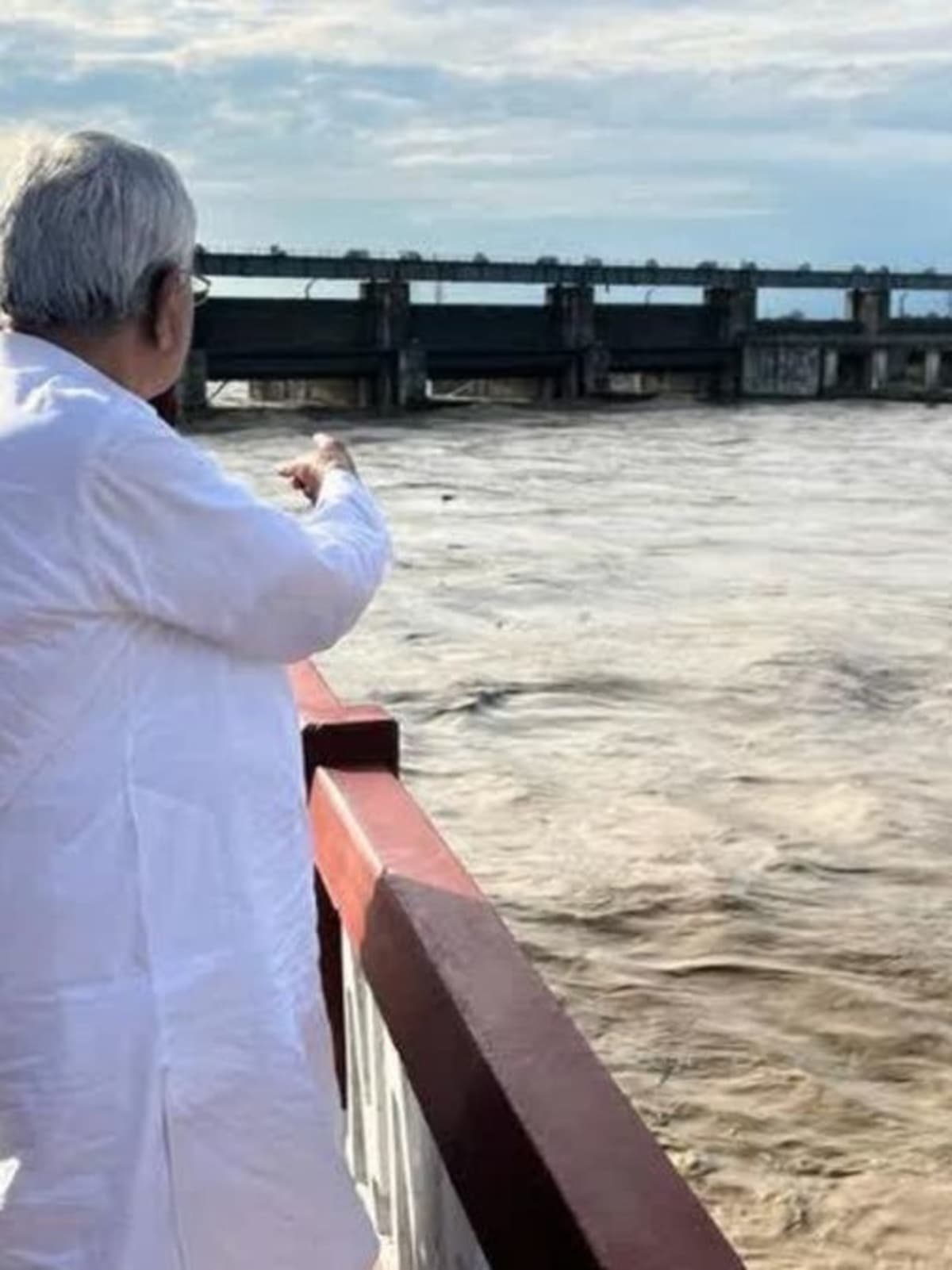
During the visit, officials toured a hydrological monitoring station in Jinja, Uganda, where the Nile begins its journey from Lake Victoria. The station is part of a network that helps predict water levels and plan for the future, exactly the kind of system the Zambezi countries want to build.
The exchange focused on practical solutions: better data collection, improved forecasting systems, and joint planning for infrastructure like dams and power plants. Officials shared lessons on managing regional programs and using technology platforms to make smarter decisions about water resources.
This wasn't a one-way conversation. The Nile Basin Initiative visited the Zambezi region in 2024, where they toured the Kariba Dam, one of Africa's largest hydropower facilities. These reciprocal visits show African river basin organizations are building real partnerships, not just attending conferences.
The Ripple Effect
This collaboration matters far beyond the meeting rooms. Better water management means more reliable electricity for homes and businesses, improved food security for farmers, and healthier ecosystems for everyone. When countries share data and coordinate plans, they can prevent conflicts, respond faster to droughts or floods, and make infrastructure investments that benefit entire regions.
The exchange is part of the Programme for Integrated Development and Adaptation to Climate Change in the Zambezi River Basin, backed by the African Development Bank and international partners. That support shows the world is paying attention to Africa's homegrown solutions.
Climate change is testing communities everywhere, but the Zambezi nations are showing that shared challenges can strengthen relationships. When rivers don't respect borders, neither does smart cooperation.
More Images


Based on reporting by AllAfrica - Environment
This story was written by BrightWire based on verified news reports.
Spread the positivity!
Share this good news with someone who needs it