8 Women Revive Ancient Recipes in 300-Year-Old Home
In a remote Arunachal Pradesh valley, eight Monpa women transformed an abandoned ancestral home into a dining space saving their tribe's fading food traditions. They're serving millet momos and buckwheat noodles that even local youth are tasting for the first time.
High in Arunachal Pradesh's Chug Valley, a 300-year-old house that once stood empty is now breathing new life into recipes almost lost to time.
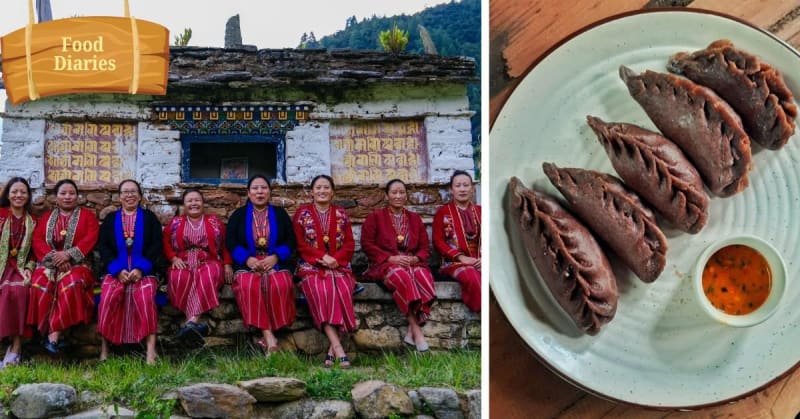
Eight Monpa women launched Damu's Heritage Dine in March 2024, creating a community dining space where ancient food traditions are being rediscovered. The name Damu means "daughter" in their local Duhumbi language.
The need was urgent. Leike Chomu, 23, watched as fewer people bought the buckwheat and millets her community grew. Modern tastes pushed men into daily wage labor while women focused on weaving, but their cultural heritage was slipping away.
When the World Wildlife Fund India suggested a solution, the women seized it. They'd create a restaurant showcasing traditional Monpa cuisine while helping the community earn income without hunting wildlife or cutting forest wood.
The perfect location stood right in their village. One member's ancestral home, abandoned for generations, became their canvas for revival.
Today, the red table at Damu's serves dishes many locals are tasting for the first time. Even Leike admits she grew up eating modern versions, like momos made with refined flour, never experiencing the traditional millet momos of her ancestors.
In the kitchen, 52-year-old Sinku works alongside her "sisters," forging friendships over chutneys and herb picking. Their menu reads like a culinary time capsule: takto khaji (buckwheat noodles), millet tacos, thukpa (Tibetan noodle soup), and shyamarku (ginger chicken).
The takto khaji demands the most effort. Buckwheat travels from field to table through traditional methods: harvesting, removing chaffs, grinding in an indigenous watermill called a chuskor, forming dough, then pressing through a handcrafted wooden noodle maker. The result gets seasoned with taro roots, water celery, and a pungent chutney of fermented soybean paste and chilies.
The Ripple Effect
What started as eight families seeking income has sparked something deeper. Young Monpa people are reconnecting with flavors their grandparents knew, learning why their ancestors chose millets over refined flour and buckwheat over modern grains.
The model protects both culture and nature. By earning from serving heritage meals, the community no longer needs to hunt protected animals or harvest forest wood for income. Visitors get guided tours of the chuskor watermill before lunch, seeing exactly how ancient food processing worked.
The women aren't just cooking. They're becoming living archives, passing down techniques that might have vanished within a generation.
In the hills of Arunachal Pradesh, every bowl of buckwheat noodles tells a story of resilience, and every millet momo is a small victory against forgetting.
More Images
%2Fenglish-betterindia%2Fmedia%2Fpost_attachments%2Fuploads%2F2025%2F08%2FFood-Diaries-Temp_11zon-1754307464.jpg)
%2Fenglish-betterindia%2Fmedia%2Fpost_attachments%2Fuploads%2F2025%2F08%2Fdamus-heritage-dine-1_11zon-1754298247.jpg)
Based on reporting by The Better India
This story was written by BrightWire based on verified news reports.
Spread the positivity!
Share this good news with someone who needs it