Toddlers in Finland Bring Dying Language Back to Life
Children in Finland's Arctic villages are learning an indigenous language that nearly vanished. Just 30 years ago, only two families spoke Inari Sámi to their kids.
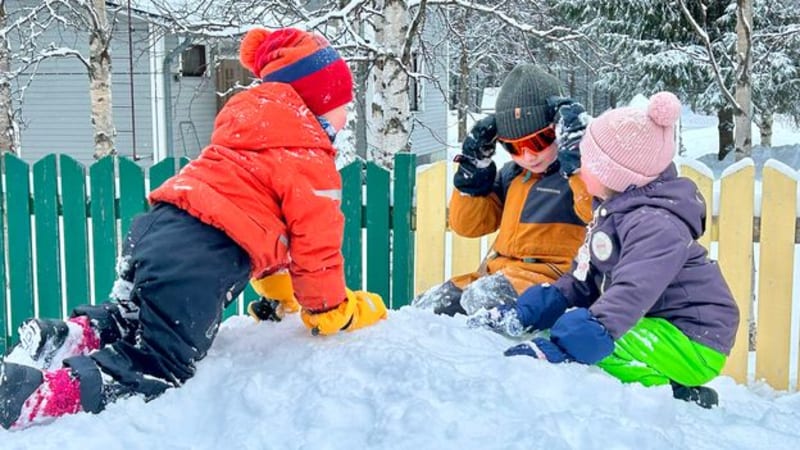
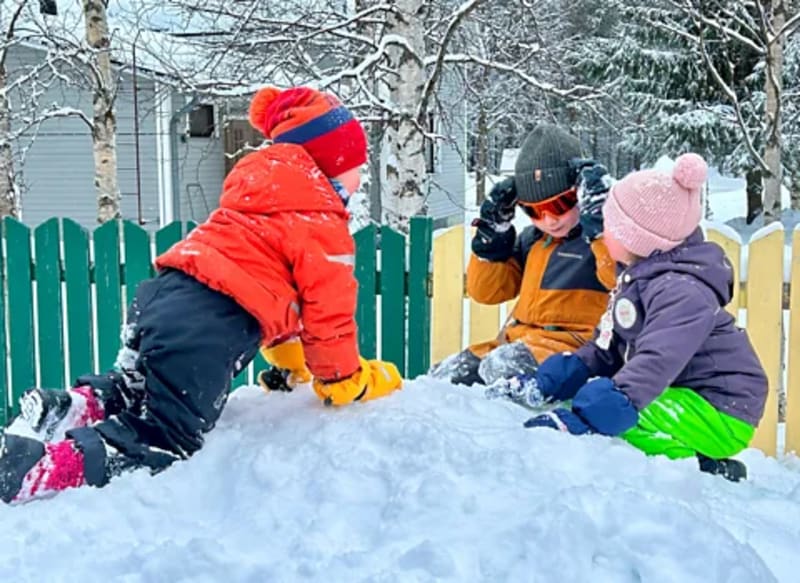
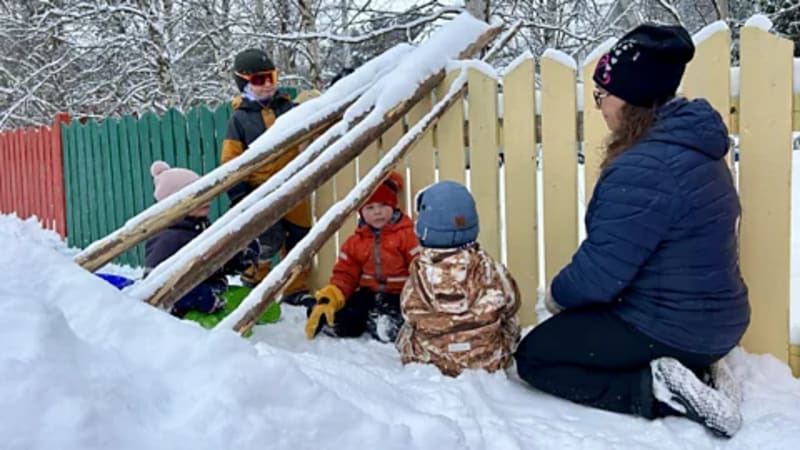
In a snowy village 220 miles above the Arctic Circle, children building snow forts are speaking a language that was almost lost forever. Their excited chatter in Inari Sámi represents one of Europe's most remarkable comebacks.
By 1995, the indigenous Inari Sámi language had nearly disappeared. Only two families spoke it to their children, and just four speakers were under age 20.
"At that point, it was quite a typical opinion that the Inari Sámi language was going to die out," says Annika Pasanen, professor of sociolinguistics at the Sámi University of Applied Sciences. Most speakers were elderly and had few chances to use the language.
Then something extraordinary happened. Local advocates created "language nests," special nurseries where toddlers are completely immersed in Inari Sámi from the moment they arrive.
The results stunned linguists. Children who speak only Finnish when they join begin chatting in Inari Sámi within months and become fluent within six months.
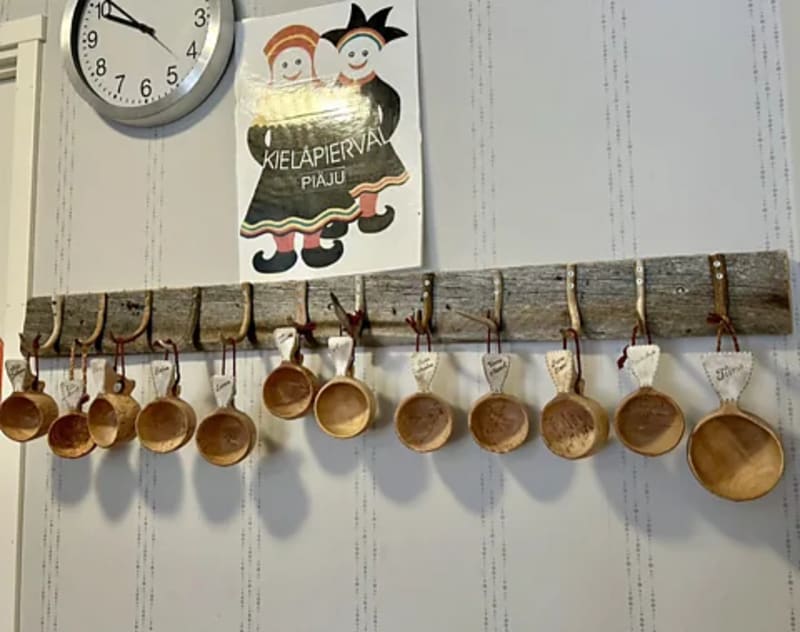
Today, the Inari village nursery serves 11 children in a room decorated with traditional Sámi symbols and a reindeer painted on the wall. They sing nursery rhymes in Inari Sámi and play with dolls dressed in handmade Sámi outfits.
Teacher Tiina Lehmuslehti leads the sessions, gently encouraging children to participate. "I'm so happy to be able to teach these children," she says.
The Ripple Effect
The language nests have created something even more powerful than new speakers. About 100 young people now speak Inari Sámi, and 20 to 30 families with small children use it as their home language.
Some young parents teaching their children Inari Sámi today learned it themselves in language nests as toddlers. The cycle that nearly ended has begun again.
The total number of Inari Sámi speakers now stands at 500, up from a precarious low three decades ago. "This means that language nests have reversed the language shift, the process where Inari Sámi was being replaced by Finnish," says Pasanen.
Inspired by Māori language programs in New Zealand, Finland's language nests have been running since 1997. They're funded by Finland's Ministry of Education through the Sámi Parliament.
The transformation shows what's possible when communities invest in their youngest members to preserve what matters most.
More Images
Based on reporting by BBC Future
This story was written by BrightWire based on verified news reports.
Spread the positivity!
Share this good news with someone who needs it