800 Dancers From 50 Countries Compete in Buenos Aires Tango
More than 800 couples from over 50 countries traveled to Buenos Aires for the 2026 Tango Mundial, turning the competition into a global cultural celebration. What started as a local dance contest has grown into an international movement that creates jobs, connects cultures, and keeps Argentine tradition alive worldwide.
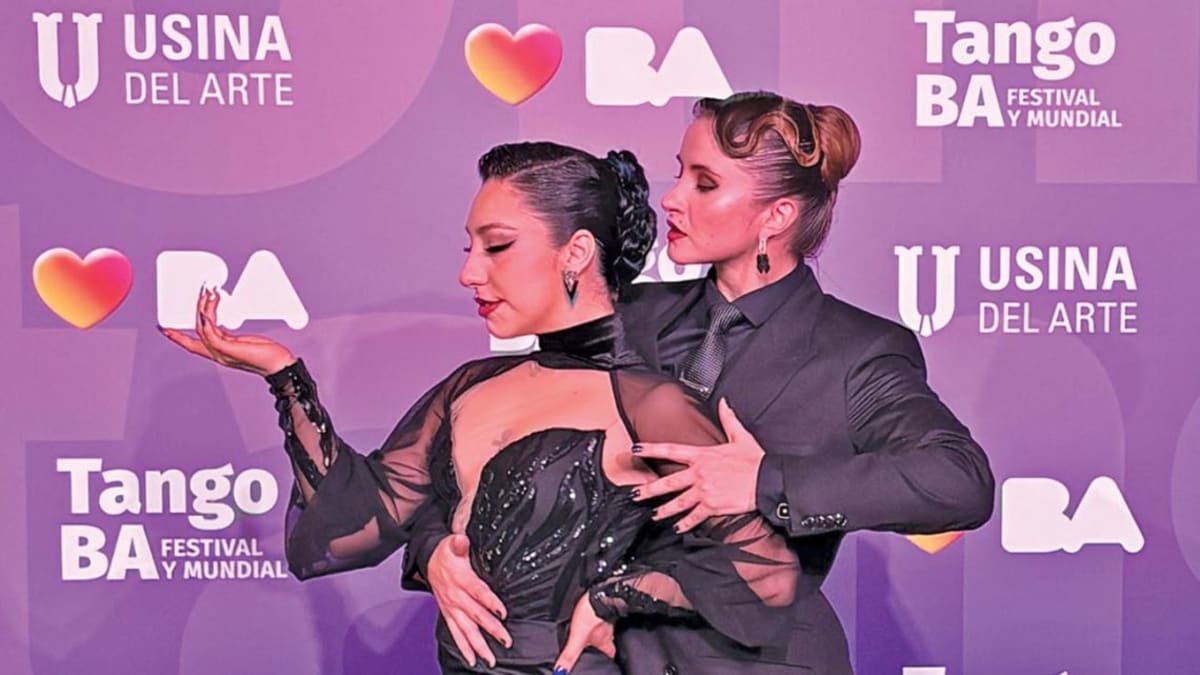
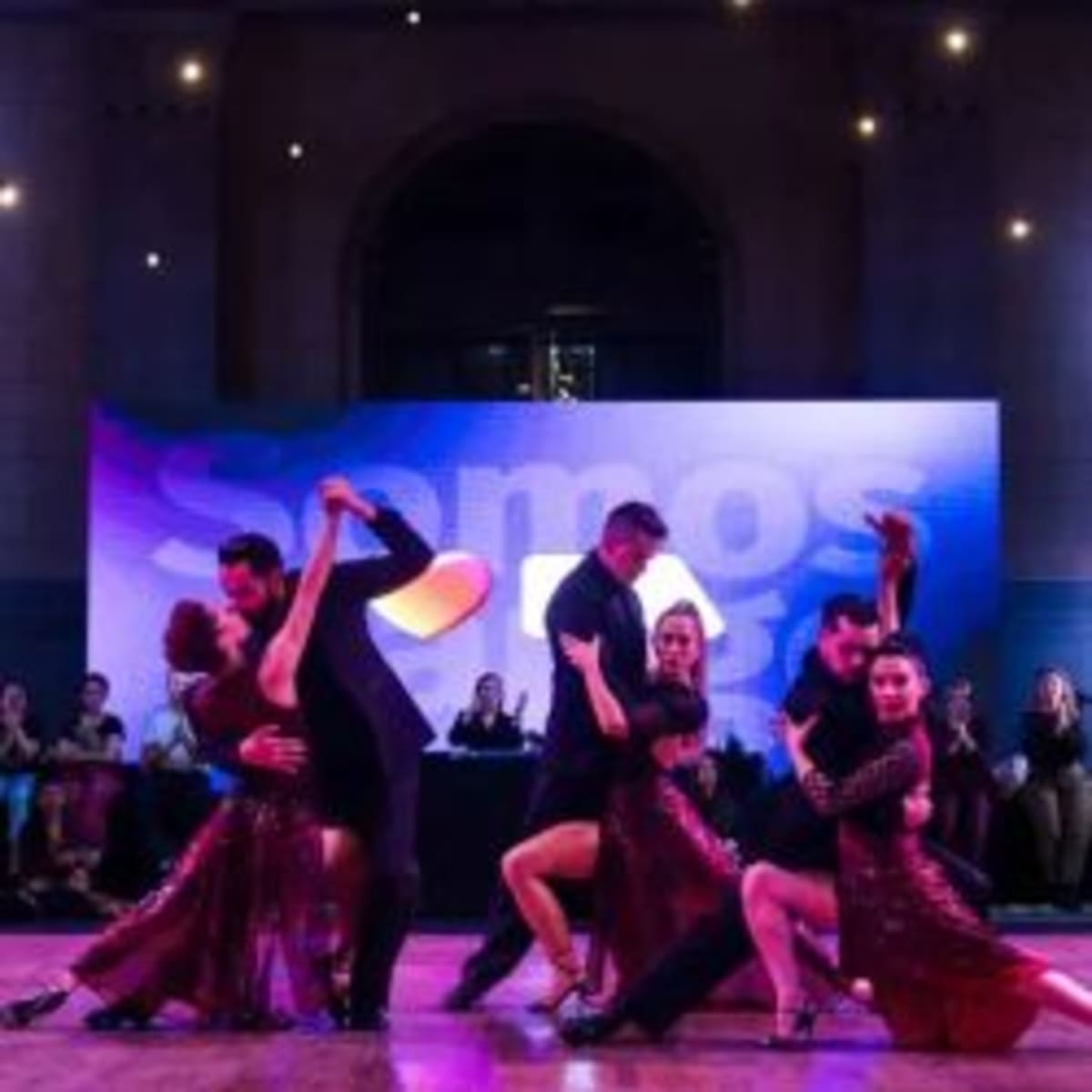
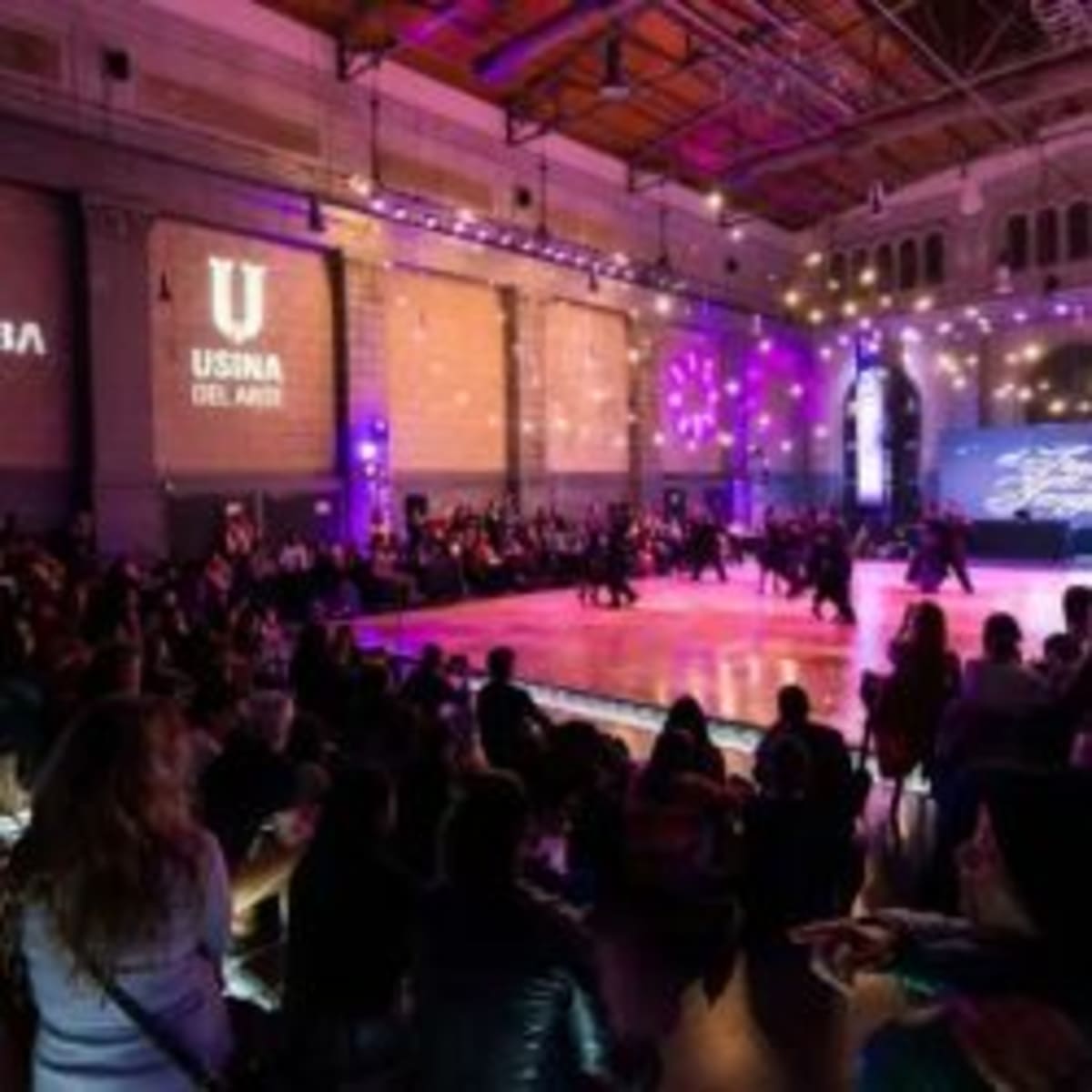
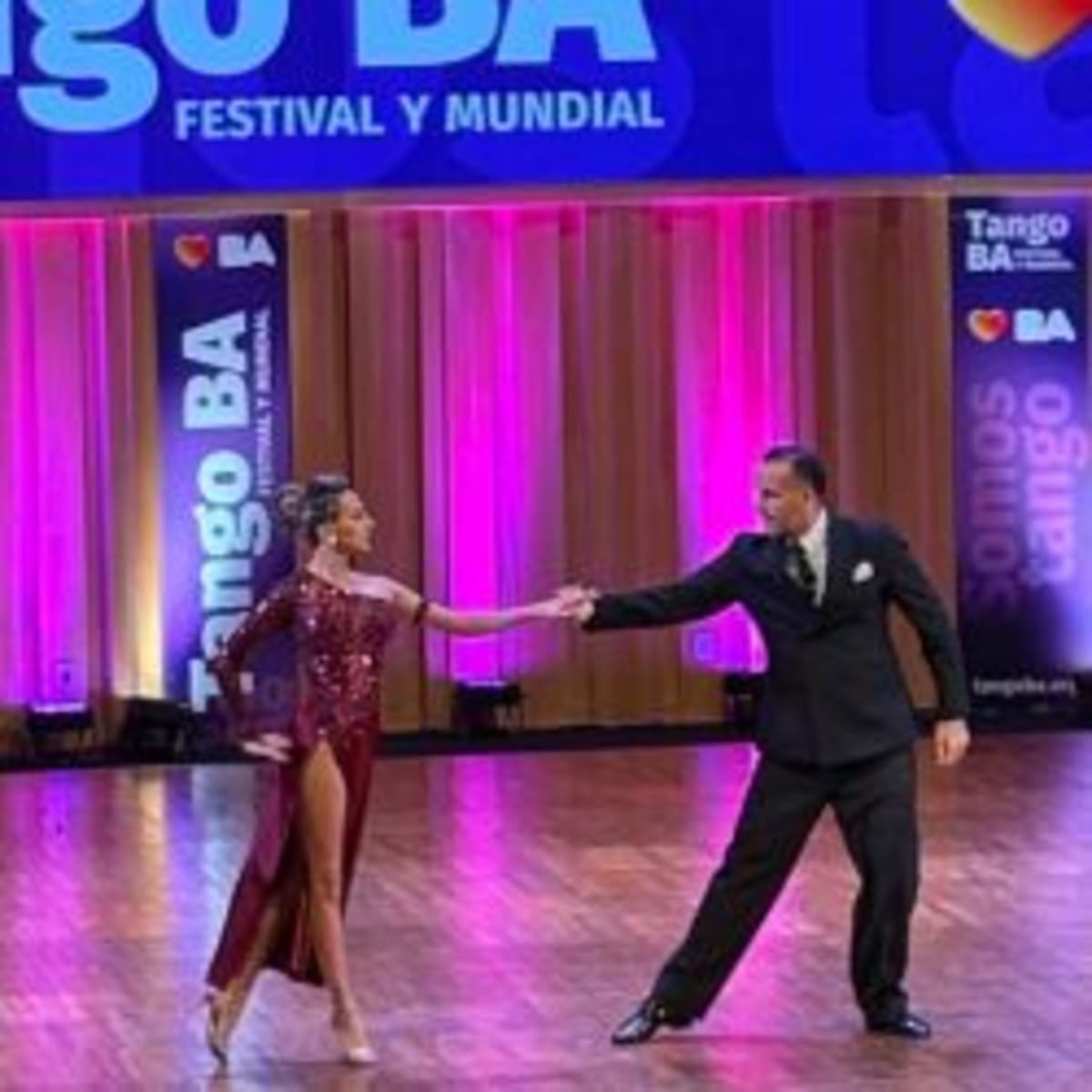
Buenos Aires transformed into the beating heart of global tango culture this year as 800 couples from over 50 countries arrived to compete in the Tango BA Festival y Mundial 2026.
The annual championship has evolved far beyond a simple dance competition since its launch in 2003. General producer Martín Frosio watches dancers return year after year, bringing tango back to their home countries and then returning to where it all began.
"The Mundial is not only a competition," Frosio said. "It is a celebration of Buenos Aires, of our identity and of a culture that today belongs to the world."
The competitors arrive with impressive skills honed in cities across the globe. Argentine dancers Juan Cupini and Erica Rossi describe the experience as both thrilling and humbling, sharing the floor with world-class talent who traveled thousands of miles to dance where tango was born.
The journey to Buenos Aires often starts years before the competition itself. Polish dancers Jakub and Patricia Grzybek performed at 50 Buenos Aires milongas before entering the Mundial, earning the affectionate nickname "los polacos" from locals who watched them fall in love with the city.
"Coming to compete feels very personal," Jakub said. "It is much more meaningful to test ourselves here, among the strongest, than simply to collect many other trophies."
For some dancers, Buenos Aires becomes home. Uruguayan competitor Tiziana Silva moved to the Argentine capital purely for tango, drawn by the chance to learn from the best 24 hours a day.
The Ripple Effect
The Mundial's impact extends far beyond the competition floor. Thousands of people work throughout the year to support the festival, from costume designers to choreographers to the milongas that host international dancers year-round.
Fourth-time competitors Federico Paleo and Lu Turka see the Mundial opening doors across the global tango community. Organizations and festivals worldwide discover new talent during the championship, creating performance opportunities that sustain dancers' careers long after the competition ends.
"That's what I like most about the competition, the growth and the process," Turka said. "What matters most is the path travelled."
The championship now runs preliminaries in roughly two dozen cities worldwide throughout the year. This network brings tango culture to communities far from Buenos Aires while creating pathways for dancers to eventually compete in Argentina's capital.
Frosio sees this circulation between Buenos Aires and the world as the Mundial's greatest achievement. The competition rewards champions, but it also generates work, training, and connections for thousands of people who keep tango culture thriving.
The essence remains unchanged even as the Mundial grows larger each year: Buenos Aires welcoming the world to dance.
More Images

Based on reporting by Buenos Aires Times
This story was written by BrightWire based on verified news reports.
Spread the positivity!
Share this good news with someone who needs it