80% of Failed Founders Start New Companies, Survey Finds
Failure isn't stopping entrepreneurs. A new survey of 200 startup founders reveals that more than 80% who experienced failure became more likely to launch another company, not less.
Most entrepreneurs who fail don't give up. They double down.
A 2026 survey by Wilbur Labs found that 81% of startup founders said experiencing failure made them more motivated to start another company. Despite half of all startups failing within five years, serial entrepreneurs are treating their losses as valuable training rather than reasons to quit.
The data backs up some famous comeback stories. Nick Woodman's first company, Funbug, collapsed during the tech bubble burst before he created GoPro. Stewart Butterfield's gaming company folded, but the chat tool his team built became Slack. Travis Kalanick's peer-to-peer service went bankrupt after lawsuits before he co-founded Uber.
Americans filed over 532,000 new business applications in January 2026 alone, according to the U.S. Census Bureau. The fear of failure clearly isn't slowing anyone down.
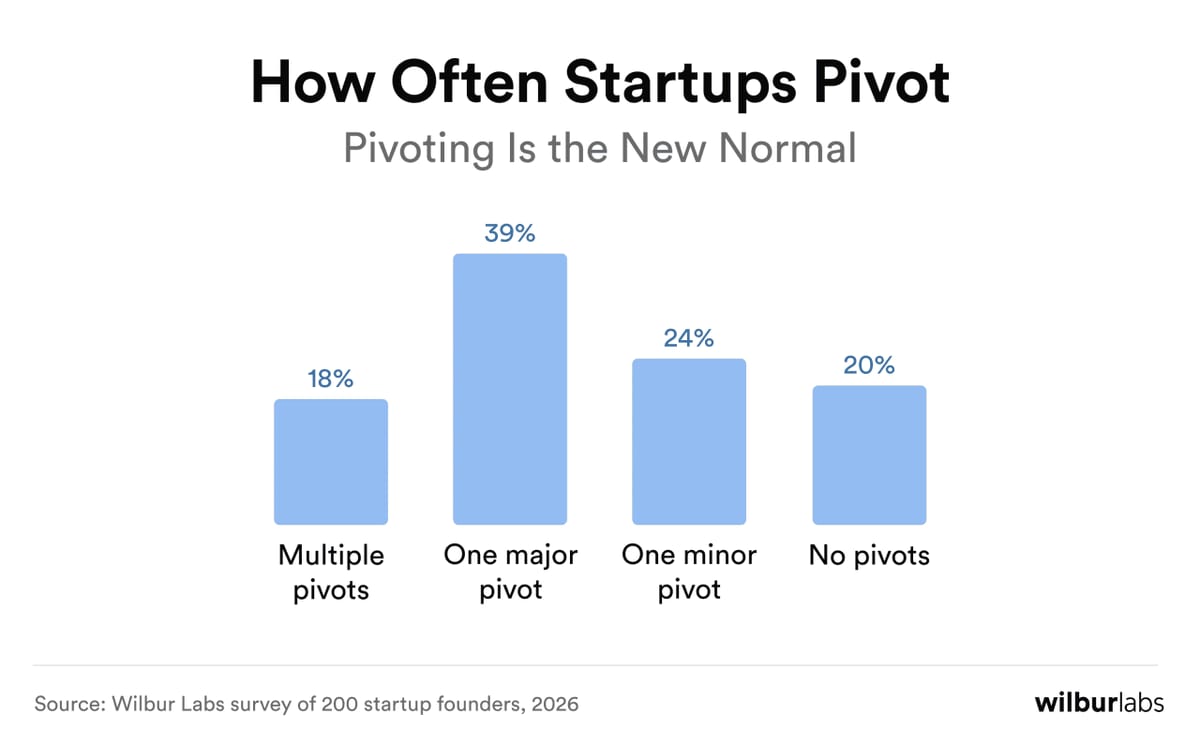
The survey also revealed that pivoting has become standard practice. A full 81% of founders said their company pivoted from its original idea, with 42% calling those pivots essential to preventing total failure.
Some pivots became legendary successes. Shopify started as an online snowboard shop called Snowdevil. Instagram began as a cluttered app called Burbn before founders noticed users only cared about one feature: photo sharing. YouTube was conceived as a video dating site before its creators realized people just wanted to upload and share videos quickly.
Why This Inspires
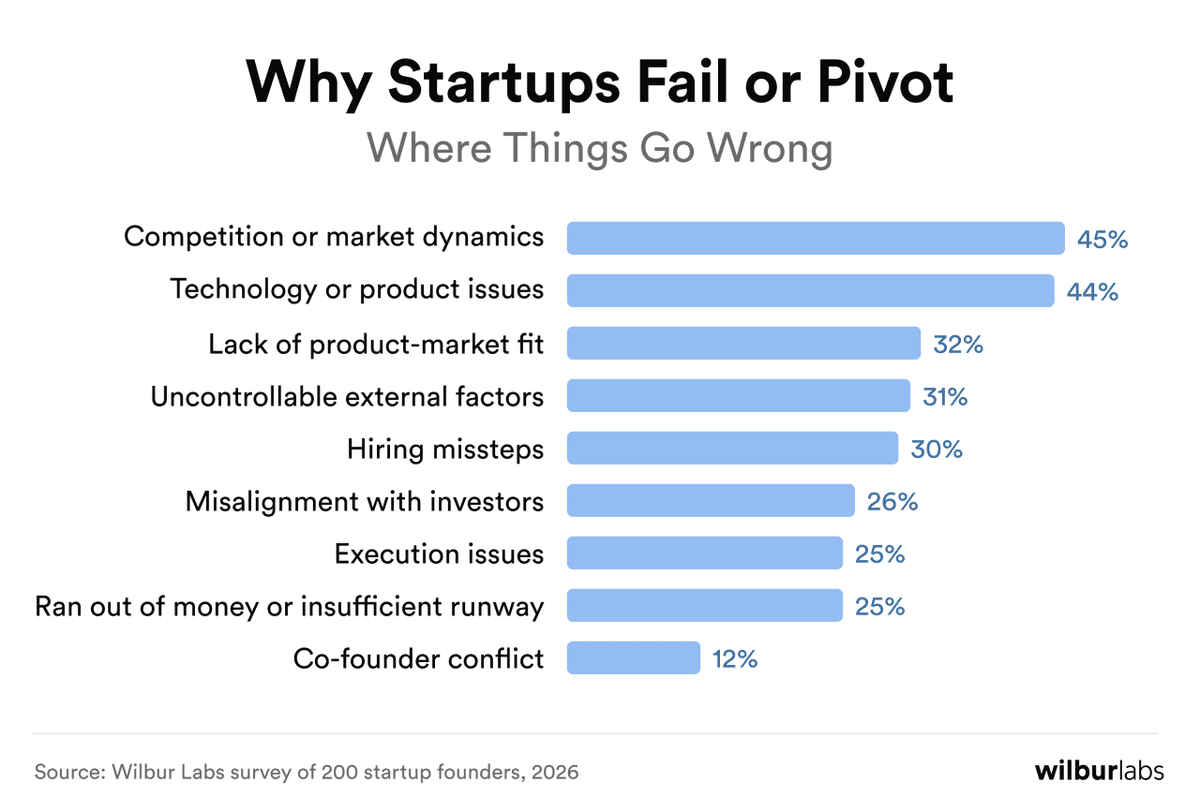
The most telling shift happened in what founders blamed for failure. In 2023, 38% cited running out of money as the top problem. By 2026, that dropped to just 25%.
Today's founders point to product issues and market fit instead. That change reflects how AI tools have made building and testing cheaper and faster than ever before.
More than half of respondents said the most important lesson from failure was understanding product-market fit. The solution isn't complicated: talk to customers before building, run small tests to validate demand, and revisit assumptions when early signals look weak.
The message from battle-tested founders is clear: failure teaches what no classroom can.
More Images
Based on reporting by Google News - Startup Success
This story was written by BrightWire based on verified news reports.
Spread the positivity!
Share this good news with someone who needs it