830,000 Birders Track 70% of World's Species in One Weekend
Last February, over 830,000 volunteers across six continents grabbed their binoculars and helped scientists track wild bird populations in the largest citizen science event of its kind. This year's Great Backyard Bird Count smashed those records, creating what researchers call a "heartbeat check" for the planet's health.
More than 830,000 people around the world spent a February weekend doing something remarkable: counting birds to help scientists protect them.
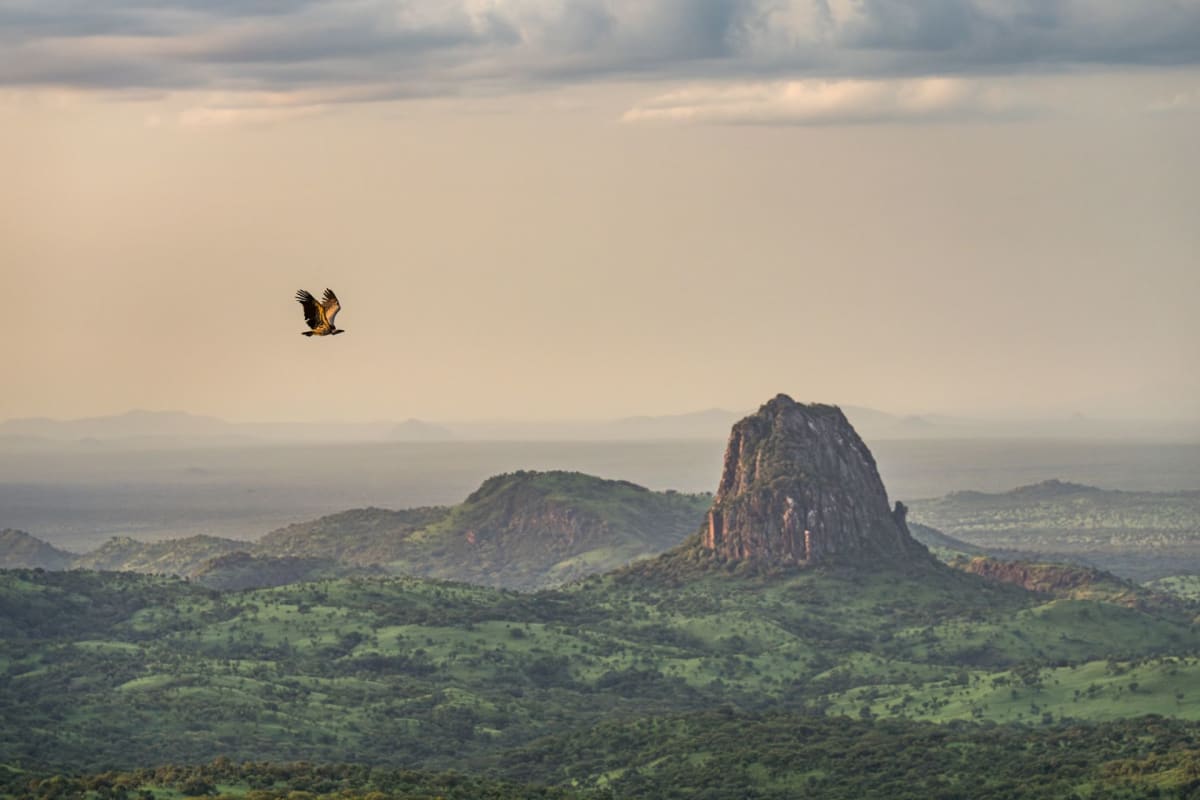
The Great Backyard Bird Count, organized by Cornell Lab of Ornithology and National Audubon Society, has grown from a small initiative in 1998 to a global movement. Last year's volunteers documented around 70 percent of all bird species on Earth, from flamingos in India to hawks soaring over Brooklyn.
On a chilly morning in New York's Prospect Park, around 30 volunteers joined a three-hour birding walk. Within two minutes, they spotted a red-tailed hawk circling overhead. Cardinals dotted nearby trees like vibrant cherries while mallards splashed in a pond.
"Birds tell us how the environment is doing," said Tina Marie Alleva of the Brooklyn Bird Club, who led the walk. New York City sits on the Atlantic Flyway, a major migratory corridor stretching from Greenland to South America, making it prime territory for tracking avian tourists.
The magic happens through a simple app. Volunteers identify birds using their phones and submit their findings in real time. Mya Thompson from Cornell Lab calls it capturing "the heartbeats of the planet."
These heartbeats tell crucial stories. The data helps scientists track how bird populations change across time and space, revealing the impact of climate change and habitat loss. Armed with this information, researchers can act before populations decline too severely.
The Ripple Effect
The Great Backyard Bird Count does more than gather scientific data. It transforms strangers into communities bonded by shared wonder.
Chris Laskowski, a Brooklyn Bird Club member, started birding over a decade ago after losing his job. "Thirteen years later, it's really changed my life," he said. "It helps me engage nature at a higher level."
The movement has sparked real change. Hobby birders in New York City spent years advocating for bird-friendly glass on new construction to prevent deadly collisions. Their legislation passed in 2019.
New apps and technology have made bird identification more accessible than ever, fueling the hobby's explosive growth. What started as a small weekend project now engages nearly a million people across every continent where birds fly.
This year's February event broke participation records again. Each submission adds to a living map showing bird populations in near real-time, creating what Thompson calls her "Super Bowl feed" of avian activity worldwide.
The result is both scientific treasure and proof that everyday people can make extraordinary contributions to conservation simply by looking up.
Based on reporting by Inside Climate News
This story was written by BrightWire based on verified news reports.
Spread the positivity!
Share this good news with someone who needs it