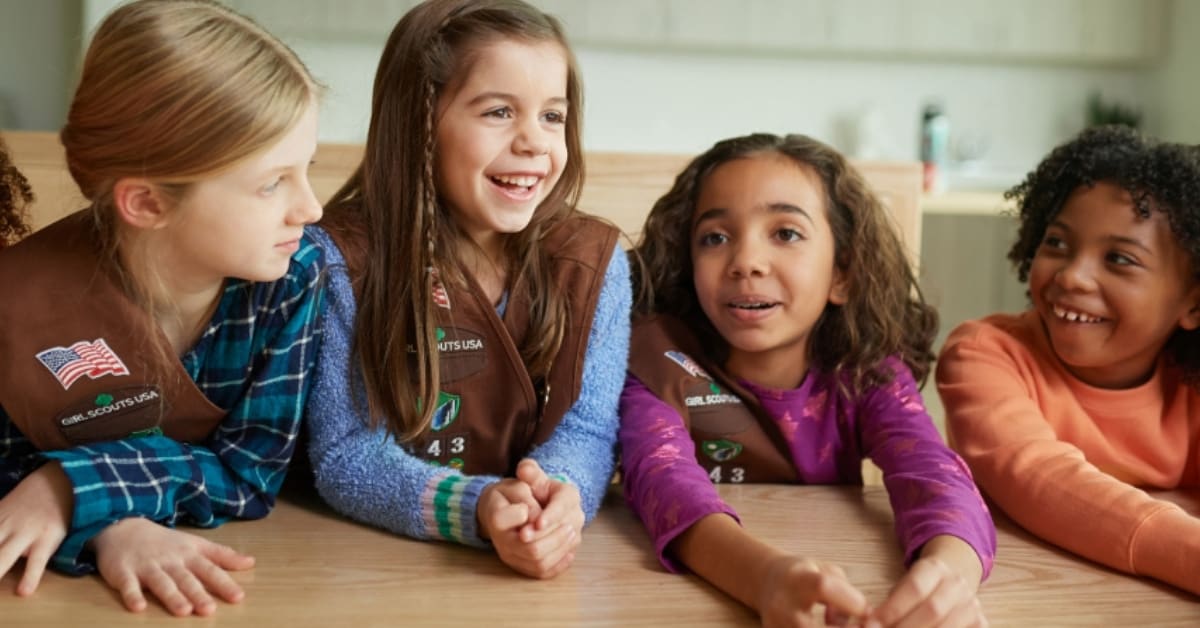
85% of Girl Scouts Value Action Over Appearance
New data reveals that the vast majority of young Girl Scouts admire people for their abilities and character, not their looks. The findings offer hope that the next generation is building a healthier relationship with achievement and self-worth.
Girls are sending adults a powerful message: what you do matters more than how you look.
New data from Girl Scouts of the USA surveyed girls ages 5 to 13 and found that 85% admire people for their abilities and actions rather than their appearance. The finding suggests a significant shift in how young people measure worth and success.
"That statistic is an invitation for adults to take a deep breath and ditch the pressure to be perfect," Sarah Keating, Girl Scouts' Vice President of Girl and Volunteer Experience, shared. "Girls are reminding us that what lasts is character in action: how you show up, what you try, how you treat people, and the difference you make."
The survey also revealed that 54% of girls find the idea of becoming an adult scary or overwhelming. That concern grew stronger with age, jumping from 41% among the youngest girls to 62% among those ages 8 to 10.
Keating believes the constant stream of news and social media contributes to these worries. "Girls today have more access to information than ever before," she explained. "They're absorbing not only what's happening, but also how it's affecting others, so it makes sense that the future can feel daunting."
Why This Inspires
The Girl Scouts organization is responding to these concerns with practical support. New Mental Wellness patches and Body Appreciation badges help girls build healthy coping skills and develop positive relationships with their bodies through guided activities and discussions.
When young people express worry, Keating recommends that adults start with curiosity and listening. Open-ended questions can help identify the source of anxiety, whether it's current events, school dynamics, or self-doubt.
Once adults understand what's troubling a child, they can normalize those feelings and share age-appropriate coping tools like grounding techniques or taking breaks from news consumption. The key is helping girls feel supported rather than alone with their concerns.
These skills extend far beyond childhood, giving young people tools they'll carry into adulthood. When adults model self-compassion and focus on effort and contribution instead of appearance, everyone ends up feeling more confident and free.
More Images

Based on reporting by Good Good Good
This story was written by BrightWire based on verified news reports.
Spread the positivity!
Share this good news with someone who needs it