89-Year-Old Woman's 15-Year Vigil May Finally End
For 15 years, Vahanduckt Melkonyan has been the sole resident of an Armenian border village, keeping her promise to prove life endures. A new peace agreement could finally bring neighbors home.
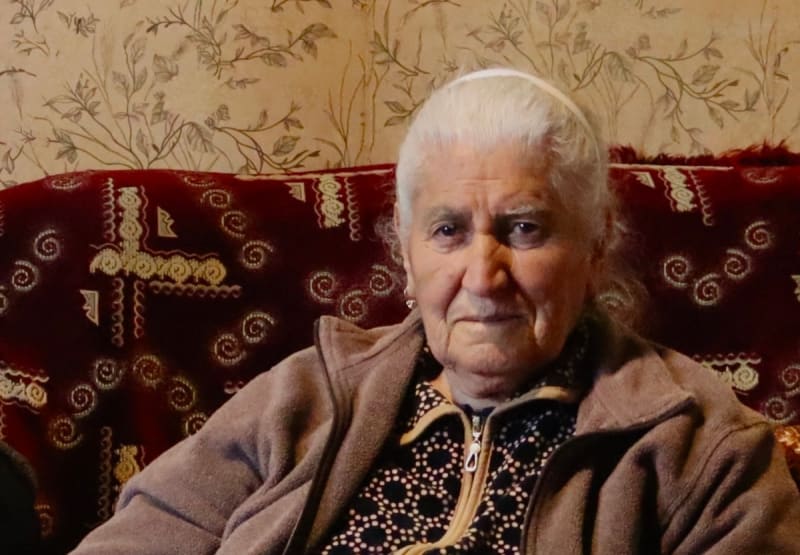
For 15 years, 89-year-old Vahanduckt Melkonyan has lived alone in Kharkov, a tiny Armenian village trapped between closed borders and old wounds. Every single day, she lights her clay oven and watches the smoke rise, a signal to the world that someone still calls this place home.
Her mother-in-law made her promise decades ago: keep the fire burning, even without flour to bake. Let the smoke show that people still live here. Melkonyan has kept that vow through Soviet collapse, through war, and through the slow exodus of every other resident.
When her husband died in 2010, her children begged her to leave for the city. She refused every time. "I must stay until people return, rebuild homes, bring life back," she says simply.
Now, after three decades of closure, there's real reason for hope. A peace agreement brokered under the Trump administration between Armenia and Azerbaijan could reopen Armenia's border with Turkey and breathe new life into forgotten places like Kharkov.
The village was founded in 1915 by survivors of the Armenian genocide, later renamed by Soviet authorities. For years, Russian troops patrolled the sealed border zone while Armenia focused on conflict with Azerbaijan over Nagorno-Karabakh.
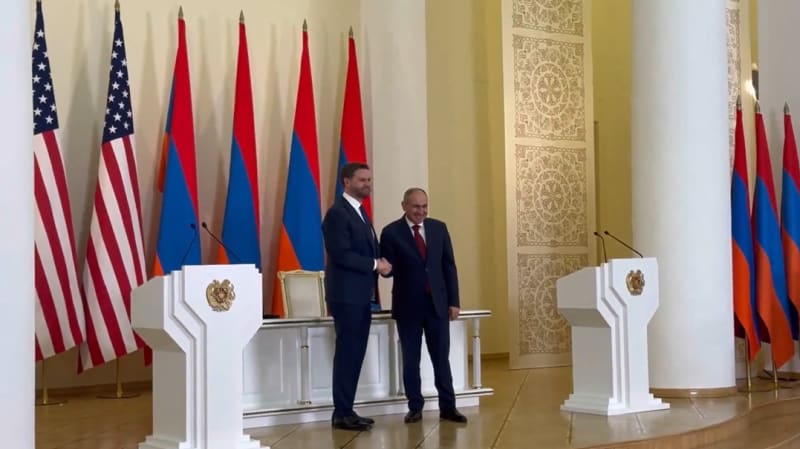
Vice President JD Vance visited Armenia this week to reinforce the agreement, known as the Trump Route for International Peace and Prosperity. "It is going to open up a whole new world of trade, transit and energy flows in this region," Vance said. "When you create interconnected economies, it means this region can have enduring peace."
The agreement matters beyond one village. It strengthens U.S. presence in the South Caucasus, a strategic region between Russia and Iran that Moscow has long dominated.
The Ripple Effect
Opening the border could transform entire communities that have lived in isolation for generations. Trade routes frozen for 30 years could suddenly flow again, connecting Armenia to Turkey and beyond.
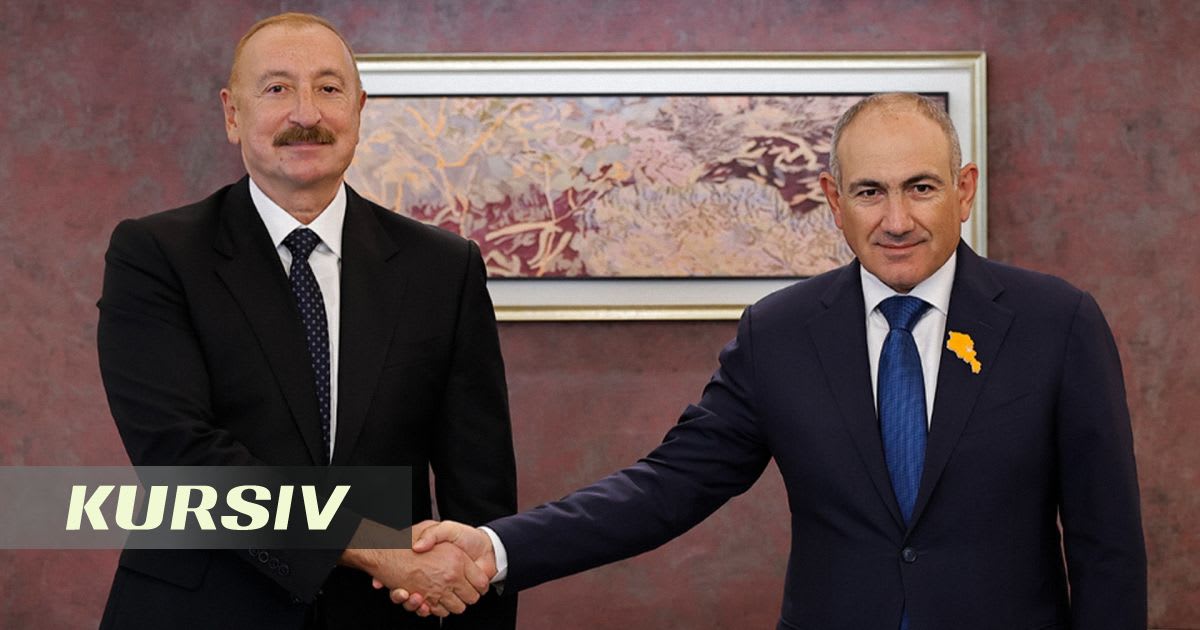
Both Turkish President Recep Tayyip Erdoğan and Azerbaijan's President Ilham Aliyev have welcomed the deal, speaking optimistically about what officials call "a brand-new chapter" for the Caucasus. Armenian Prime Minister Nikol Pashinyan agreed at a recent Abu Dhabi meeting to maintain momentum toward peace, including expanded trade.
Not everyone supports normalization. The Armenian diaspora, 7 million strong and descended largely from genocide survivors, has historically opposed any warming with Turkey. Some border villagers remain wary of their historic enemy.
But for Professor Vahram Ter-Matevosyan of the American University of Armenia, the agreement represents something bigger than commerce. "It's about having a physical presence in the South Caucasus, which was long seen as the backyard of Russia," he explains.
Melkonyan thinks about it more simply. "People always ask about the border opening, but this is business for the politicians," she says. "If the border opens, the village might revive a bit. People might return. That is why I must stay."
After 15 years of solitude, keeping a promise and tending a flame, she may finally see her neighbors come home.
More Images
Based on reporting by Google News - Peace Agreement
This story was written by BrightWire based on verified news reports.
Spread the positivity!
Share this good news with someone who needs it