93% of Australian Parents Want School Lunch Programs
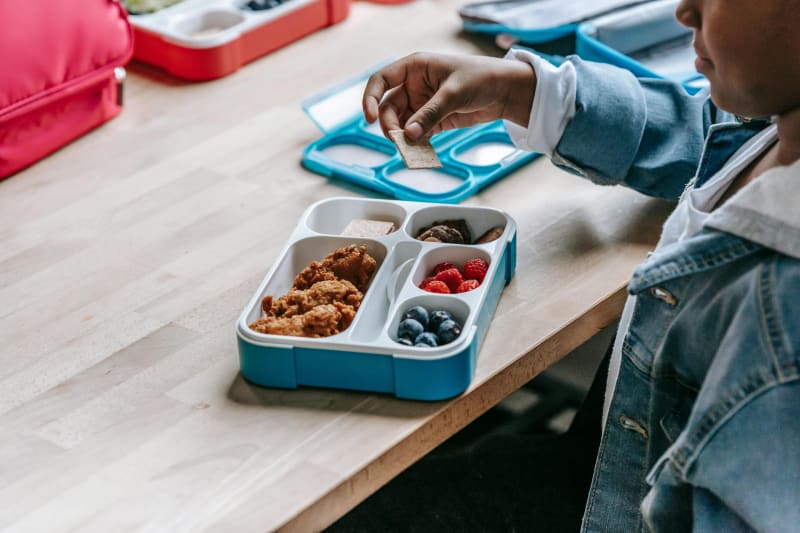
Nearly 400 Australian parents surveyed say they'd pay for nutritious school lunches, prioritizing quality ingredients and menu variety over cost. The findings could reshape how 2.4 million primary school children eat during the school day.
The morning lunch box scramble might soon become a thing of the past for Australian families, as groundbreaking research reveals overwhelming parent support for school-provided meal programs.
Researchers at Flinders University surveyed almost 400 parents of primary school children and discovered 93% were interested in school lunch programs and willing to pay for them. That's not just casual interest—parents are ready to invest real money in a different future for school food.
Nutritional quality topped every other concern for families. Parents overwhelmingly chose menus focused on nutritious food made from quality ingredients over lower-cost options or convenience factors.
Menu variety came second, with strong preference for having two meal options rather than a single daily dish. Many parents saw the potential for expanding their children's palates and trying new foods beyond the typical sandwich rotation.
Professor Rebecca Golley, who leads Flinders University's school food research program, points to growing momentum across Australia for rethinking school meals. Research shows school lunch programs can reduce stigma and increase social equity while improving nutritional and learning outcomes.
Environmental sustainability also ranked high on parent wish lists. Families valued approaches that integrated food education and positive messages about healthy eating throughout the school day, not just at lunchtime.
The money question revealed surprising flexibility. Parents currently spend around $6 daily on lunch boxes and said they'd happily pay similar amounts for school lunches that prioritize quality and sustainability over simply providing something to eat.
The Ripple Effect
Seventy percent of surveyed parents valued the potential for equal and stigma-free food provision, where all children receive the same meal regardless of family circumstances. This echoes successful universal school meal systems in other countries that have delivered improved nutrition, better learning outcomes, and greater social equity.
The research tested six components of hypothetical lunch programs including cost, nutrition, sustainability, menu options, access, and whole-school approaches to food. Preferences varied across household incomes and family sizes, indicating any successful system needs flexibility for different family situations.
In 2026, the research team is launching a national project examining 36 schools as they introduce innovative approaches to feeding students. The goal is building a national evidence base for what Professor Golley calls "thinking outside the lunchbox."
For policymakers designing an Australian school meal system, the message is clear: parents want nutrition first, variety second, and they're willing to invest in both.
More Images


Based on reporting by Phys.org
This story was written by BrightWire based on verified news reports.
Spread the positivity!
Share this good news with someone who needs it