98% of Firefighters Now Recommend Safer Solar Panel Design
After hands-on training, nearly every firefighter surveyed now prefers a solar technology that eliminates dangerous high-voltage hazards during emergencies. The shift could make rooftop solar safer for both homeowners and first responders.
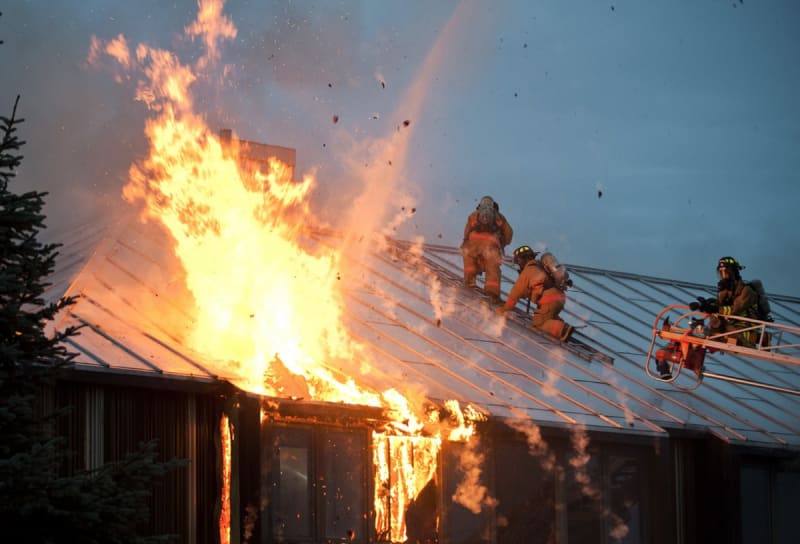
When firefighters need to cut through a roof during an emergency, the last thing they want to worry about is getting electrocuted by solar panels that stay energized in broad daylight.
Now, a new training program is helping solve that problem. The Solar and Fire Education (SAFE) program, led by retired Las Vegas Fire Captain Richard Birt, just released survey results showing that 98% of trained firefighters recommend microinverter-based solar systems over traditional designs.
The difference comes down to where electricity gets converted. Traditional solar setups use string inverters that send high-voltage direct current through long wires across your roof. Those wires stay electrified whenever the sun shines, creating serious risks for firefighters who need to vent roofs or move equipment during a fire.
Microinverter systems work differently. They convert electricity to safer alternating current right at each panel, keeping high-voltage current confined to the back of each module. No dangerous wires running across the structure.
Birt, a 30-year firefighting veteran, founded SAFE to help fire departments keep up with rapidly changing energy technology. His program provides hands-on training to hundreds of firefighters across multiple states, teaching them how different solar designs affect emergency response.
The training also covers rapid shutdown technology, a safety requirement in the National Electrical Code. Rapid shutdown reduces voltage to safe levels within seconds when a system gets disconnected. Microinverters build this protection directly into each panel without needing extra components that could fail.
Captain Andrew Martinez from San Mateo Consolidated Fire Department says his team is now incorporating these findings into official safety guidelines. The goal is to recommend systems that avoid high-voltage runs entirely.
The Ripple Effect
This shift in firefighter preferences could reshape how Americans think about solar installation. With over 84 million microinverters already deployed globally by companies like Enphase Energy, the technology is proven and widely available.
As more fire departments update their safety policies based on this training, homeowners gain clearer guidance about which systems protect both their families and the first responders who might one day need to save them. Solar installers who prioritize safety-conscious designs may find themselves preferred by customers who've done their homework.
The survey respondents were voluntary and self-selected, and Birt consults for Enphase, so the findings aren't from a formal scientific study. Still, when 98% of trained firefighters agree on something that could save lives, that consensus matters.
When clean energy and emergency safety work together instead of against each other, everyone wins.
More Images
Based on reporting by PV Magazine
This story was written by BrightWire based on verified news reports.
Spread the positivity!
Share this good news with someone who needs it