9km Trap in Outback Australia Catches Thousands of Goats
A remote cattle station in Western Australia built a 9-kilometer fence that uses smartphone technology to trap feral goats without helicopters or stress. The innovative system is already paying for itself and protecting fragile land.
A family-run cattle station in the Australian outback just proved you can solve a decades-old pest problem with walking pace instead of helicopter noise.
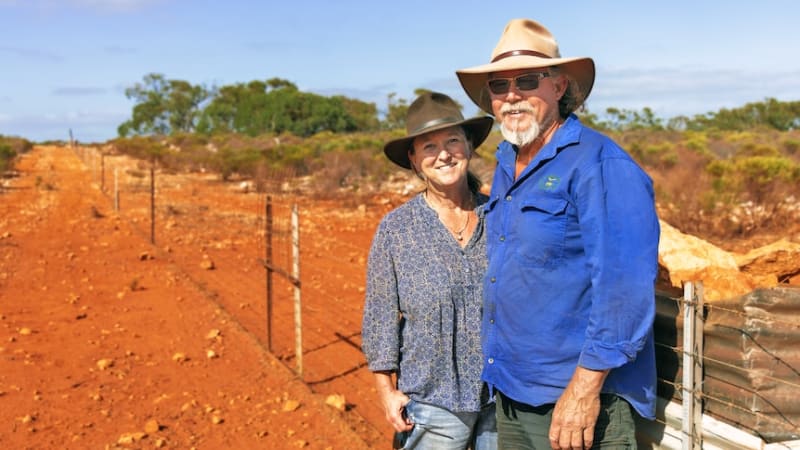
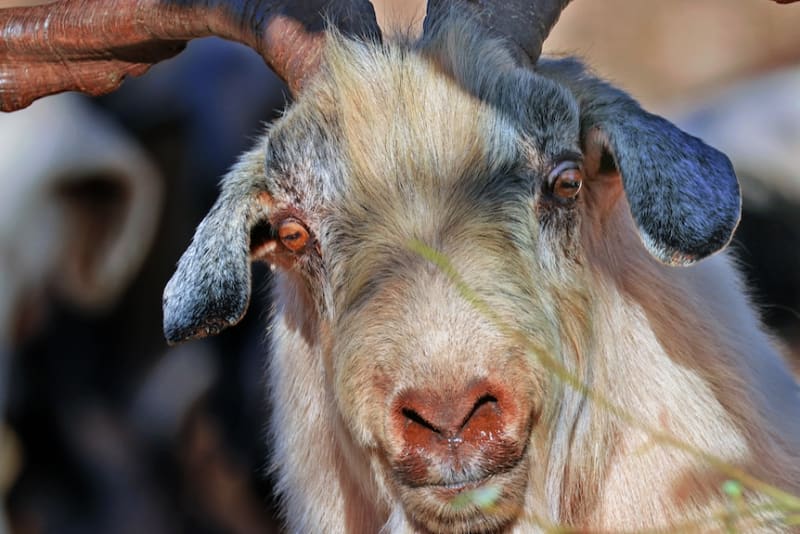
Calum and Belinda Carruth have spent 30 years managing Murchison House Station, 570 kilometers north of Perth. For most of that time, they've battled thousands of feral goats destroying their land and competing with livestock for water.
Traditional goat mustering meant helicopters, motorbikes, stressed animals, and stressed people. Now the Carruths have built what might be the world's longest trapyard: a 9-kilometer fence woven through red dirt and rock that quietly funnels goats into holding pens.
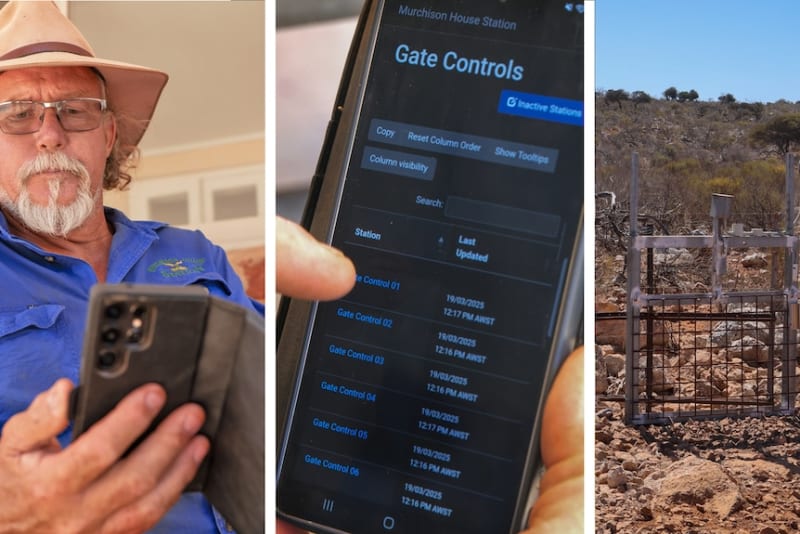
The real innovation is the tech behind it. Ten entry gates along the fence can be closed from a smartphone 20 kilometers away. Seven water tanks have sensors that alert the family when large numbers of animals are drinking, telling them exactly when to shut the gates.
When goats seeking water walk into the 25-meter-wide corridor, they don't know they're trapped until it's too late. The Carruths then herd them gently to holding yards and load them onto trucks for market. Goat meat sells well across Asia and the Middle East, fetching up to $90 per head.
The $350,000 to $400,000 system runs on solar-powered antennas using radio frequency technology similar to wifi. Annie Brox and her team from Origo.ag designed the meshing network that connects the remote traps to the internet at the homestead.
The Ripple Effect
The trapyard started as a conservation project. The Carruths needed to protect the Pillawarra, a fragile 2,500-hectare area containing prehistoric marine sediments and unique geological formations. Goats were drawn to its freshwater springs during summers when temperatures hit 50 degrees Celsius, and their hooves eroded the soft limestone clays.
Government funding helped build the exclusion fence, which naturally became the perfect place for a trapyard. Now the system protects the land while generating income. The Carruths expect to recover their investment in five years.
The technology isn't just working at Murchison House. The family believes the system could trap other feral animals like pigs and camels across Australia's vast outback, where managing wildlife humanely at scale has always been a challenge.
When the station was purchased 30 years ago, it held an unsustainable 20,000 goats. Today, numbers are controlled without the stress, danger, and fuel costs of aerial mustering. Old ranching wisdom met new technology, and the land is finally healing.
More Images

Based on reporting by ABC Australia
This story was written by BrightWire based on verified news reports.
Spread the positivity!
Share this good news with someone who needs it