A Rap Lyric Debate Reveals How We All Search for Truth
A viral story about friends arguing over song lyrics highlights a bigger issue we all face: how easily we can find "evidence" for whatever we already believe. The solution is simpler than you think.
A disagreement over Chance the Rapper lyrics might sound trivial, but it sparked an important conversation about how we all search for information online.
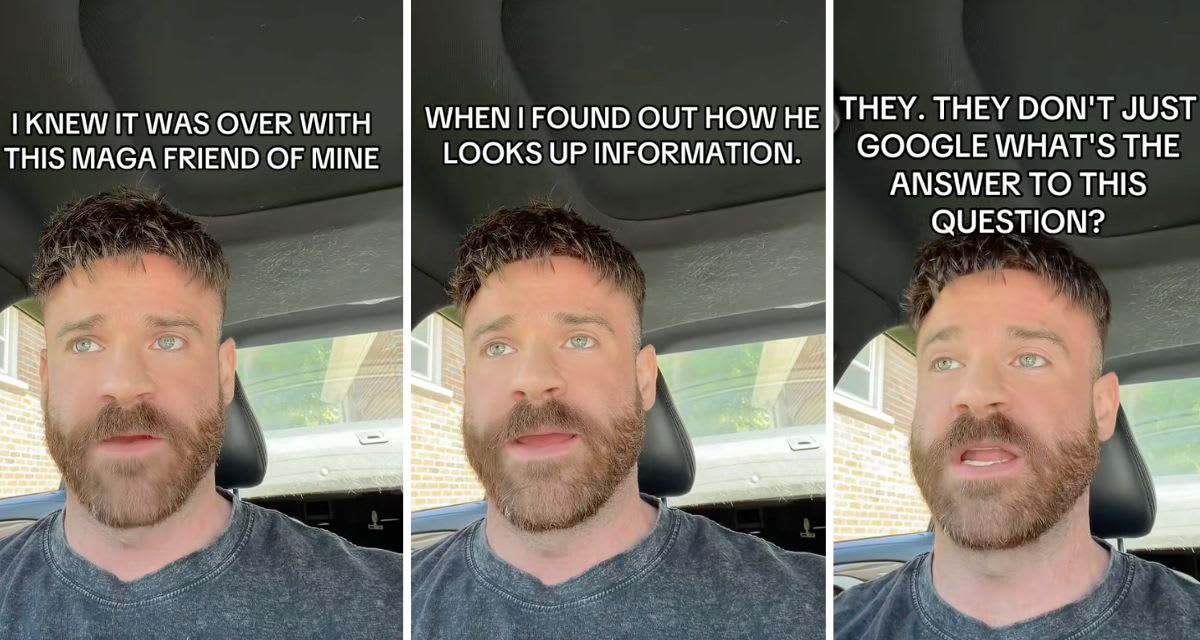
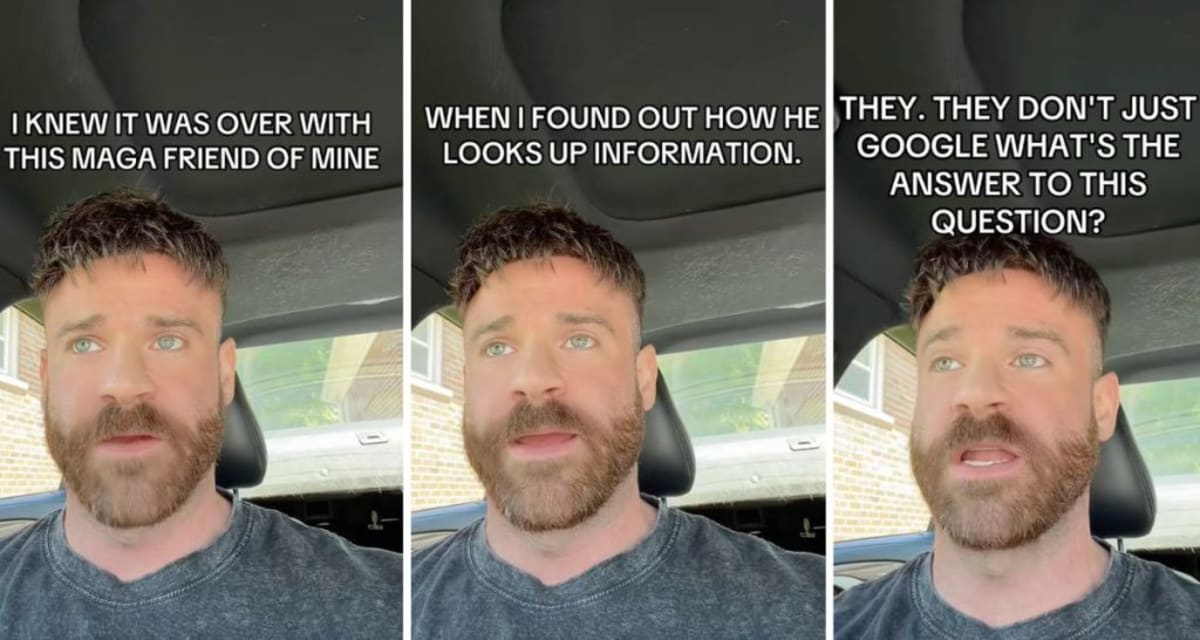
Content creator Nick Pringles shared a story that resonated with millions. He and a friend were debating a lyric from the 2016 song "No Problem." Pringles searched for the official lyrics, found them, and sent a screenshot. His friend took a different approach: he searched for the lyric he thought was correct, found other people who agreed with his mistake, and declared victory.
That moment made Pringles realize something bigger was happening. "They don't just Google 'what's the answer to this question?'" he explained. "They Google the answer that they're looking for, so they can find 50 other wrong idiots and be like, 'See? This is what everybody's saying.'"
The story went viral because it touches something universal. We've all seen someone do this, or maybe caught ourselves doing it too.
Why This Inspires
The good news is that recognizing this pattern is the first step to breaking it. Psychologists call it confirmation bias, and it affects everyone regardless of politics, education, or background. Social media algorithms make it worse by showing us more of what we already engage with, creating echo chambers that feel comfortable but aren't always accurate.
Breaking free takes just a little extra effort. Instead of searching for what confirms what we think, we can ask ourselves, "What evidence would prove me wrong?" We can check multiple credible sources. We can read perspectives that challenge our assumptions, not to accept everything as equally valid, but to evaluate information based on evidence instead of emotional attachment.
Even small changes matter. Typing a neutral search query instead of a slanted one. Reading past the headline. Checking the original source instead of trusting a screenshot. These tiny habits add up over time.
None of us will ever be completely immune to confirmation bias, and that's okay. The goal isn't perfection; it's awareness. When we notice the moments we might be searching for reassurance rather than truth, we can choose differently.
The conversation Pringles started reminds us that intellectual honesty is a skill anyone can practice, and in a world overflowing with information, that skill has never mattered more.
More Images



Based on reporting by Upworthy
This story was written by BrightWire based on verified news reports.
Spread the positivity!
Share this good news with someone who needs it

%2Ffile%2Fattachments%2F2997%2FJayeshSonawaneVecteezy_124098.jpg)