A Village Farmer Helped Shape India's Constitution
In 1947, an ordinary farmer from Tamil Nadu sent a handwritten letter in Tamil that influenced religious freedom rights in India's Constitution. His story proves democracy's founding wasn't just about famous leaders.
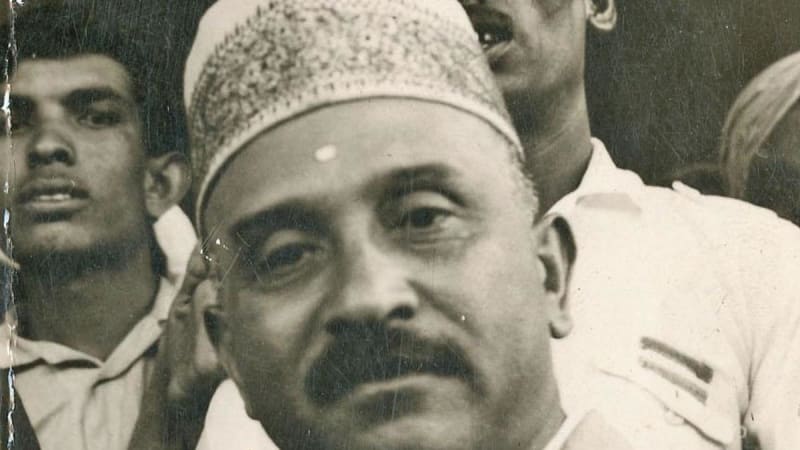
When India was drafting its Constitution in 1947, leaders weren't the only voices that mattered. A farmer named S. Oppiliappan from a small Tamil Nadu village picked up his pen and changed history.
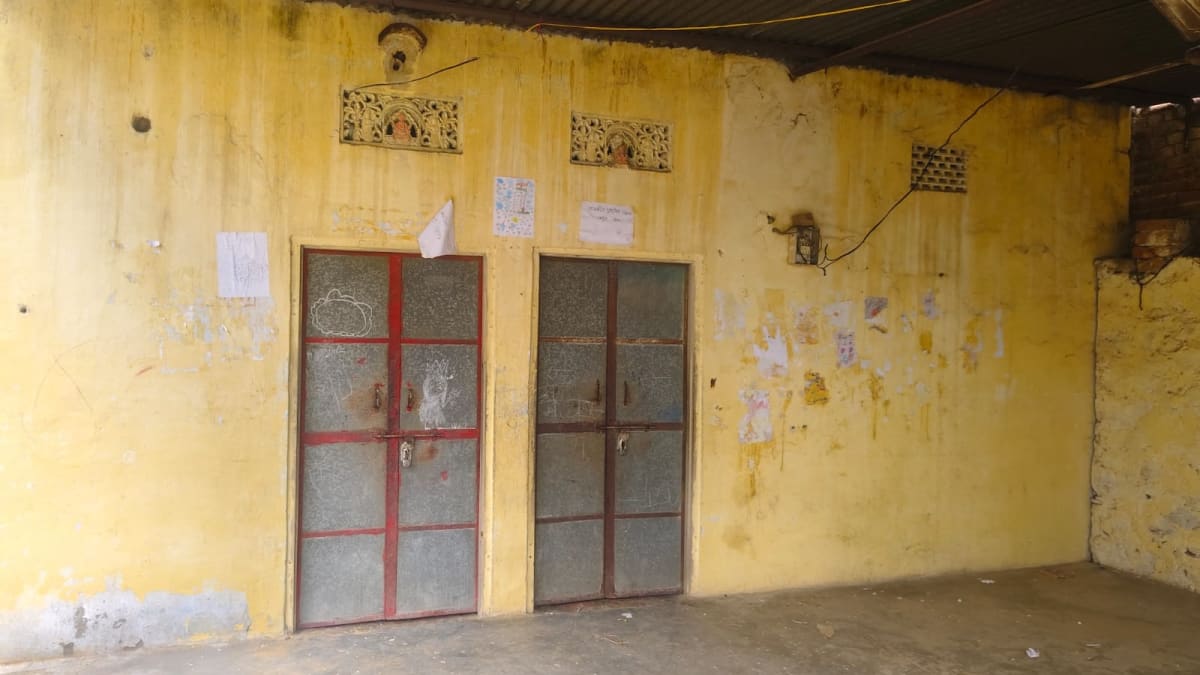
Oppiliappan lived in Kattunedungulam village in what is now Sivaganga district. He wrote a memorandum entirely in Tamil by hand and sent it to the Constituent Assembly secretariat in Delhi.
The government officials struggled to read his handwriting and identify his background. They eventually speculated he might belong to a Scheduled Caste community, but his message came through clearly: his community deserved freedom of worship and the right to manage their own affairs.
His simple demand carried weight. The essence of what this village farmer asked for became enshrined in Article 25 of India's Constitution, titled Right to Freedom of Religion. Today, that article guarantees all Indians the freedom of conscience and the right to freely profess, practice and propagate religion.
Oppiliappan wasn't alone in shaping the Constitution from the ground floor. V.I. Munuswami Pillai, a former Agriculture Minister, successfully demanded that educational and employment reservations for Scheduled Castes continue for renewable 10-year periods. That system still protects vulnerable communities today.
The Constituent Assembly actively sought input from everyday citizens. They sent questionnaires across the country asking individuals and institutions how to protect minorities. Advocates, farmers, and workers responded with ideas that challenged and refined the thinking of constitutional experts.
Why This Inspires
Democracy works best when everyone has a seat at the table. Oppiliappan didn't have power, wealth, or formal education in constitutional law. He just had conviction and the courage to write down what mattered to his community.
His handwritten Tamil letter traveled hundreds of miles and crossed language barriers to reach the ears of India's founding fathers. They listened, debated, and ultimately wove his vision into the fundamental rights that protect 1.4 billion people today.
The story reminds us that transformative change doesn't require a title or platform. Sometimes it just takes one person willing to speak up for what's right.
India's Constitution stands as a monument not just to brilliant legal minds like B.R. Ambedkar, but to farmers like Oppiliappan who believed their voices deserved to be heard.
Based on reporting by The Hindu
This story was written by BrightWire based on verified news reports.
Spread the positivity!
Share this good news with someone who needs it