A Yellow-Throated Sparrow Made India's 'Birdman
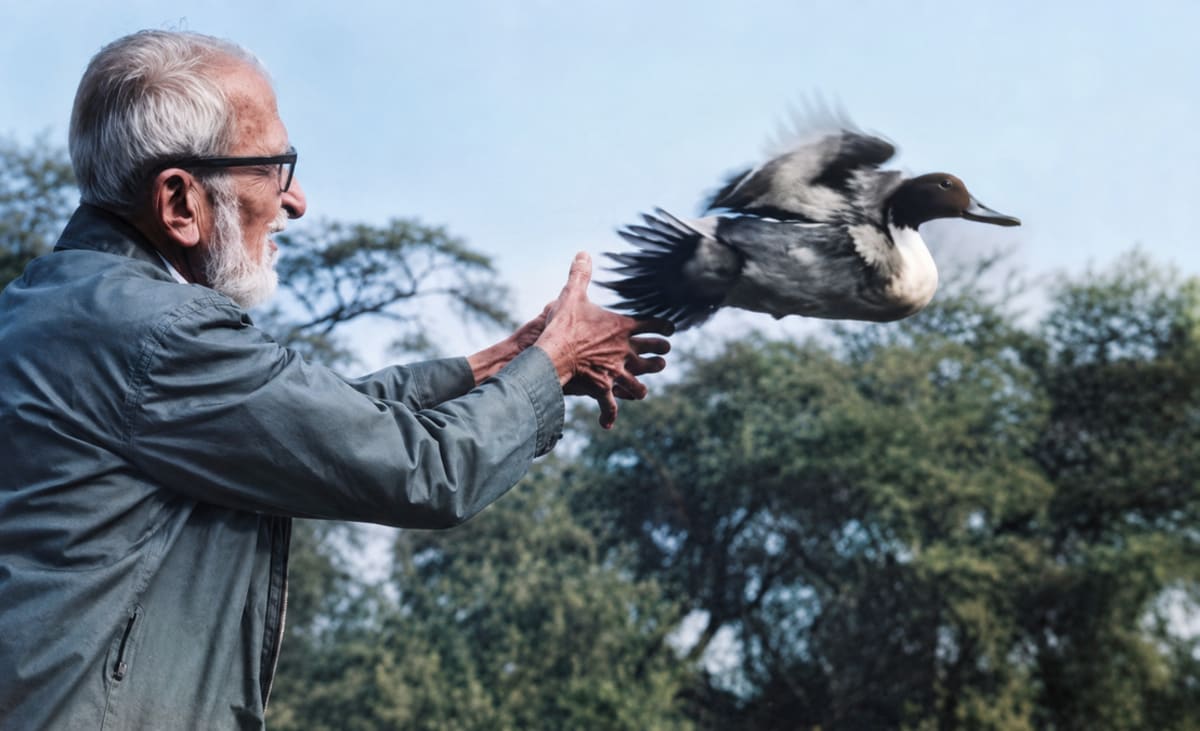
A 10-year-old's question about one unusual sparrow led Salim Ali to become India's most influential ornithologist, transforming how an entire nation understood its birds. His curiosity-driven approach to studying birds in their natural habitats shaped modern Indian wildlife conservation.
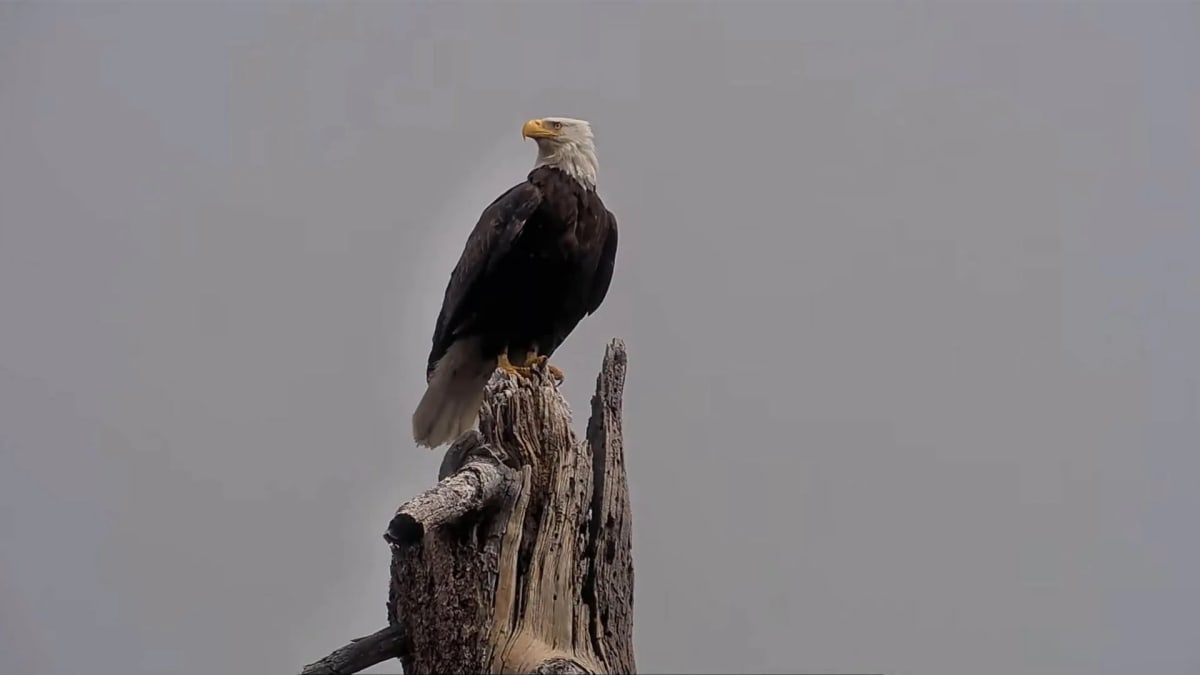
When 10-year-old Salim Ali shot down a sparrow with his toy gun in 1906, he noticed something strange: a yellow patch on its throat. That single question about why the bird looked different would change the course of Indian ornithology forever.
Unable to identify it, his uncle took him to the Bombay Natural History Society. Secretary W.S. Millard not only named the bird (a chestnut-shouldered petronia) but did something more important: he showed the curious boy the museum's bird collection and encouraged him to keep watching.
Born in 1896, Salim had lost both parents by age three and was raised by his uncle and aunt in Mumbai. That visit to the natural history museum became the turning point of his life. He returned again and again, reading, observing, and falling deeper into the world of birds.
What set Salim Ali apart was his approach. Instead of studying birds only through museum specimens, he believed they needed to be understood where they actually lived. He spent decades traveling across India's forests, wetlands, deserts, mountains and grasslands, recording what he saw.
For nearly 20 years, he conducted extensive regional bird surveys for the Bombay Natural History Society, often working voluntarily with only travel expenses covered. These surveys created some of the earliest scientific records of India's birdlife and laid the foundation for modern ornithological research in the country.
In 1941, he published The Book of Indian Birds, introducing generations of Indians to their country's avian diversity. The field guide remains essential reading for aspiring birdwatchers today. He later co-authored the ten-volume Handbook of the Birds of India and Pakistan with American ornithologist S. Dillon Ripley, still considered a standard reference.
The Ripple Effect
Salim Ali's influence extended far beyond scientific documentation. He played a crucial role in protecting Bharatpur Bird Sanctuary (now Keoladeo National Park) and helped prevent the destruction of Kerala's Silent Valley, today one of India's most significant biodiversity landscapes.
His work transformed birdwatching from a colonial pastime of collecting specimens into an accessible activity for ordinary Indians. He authored more than 20 books, making ornithology understandable for both scientists and general readers.
In his 1985 autobiography The Fall of a Sparrow, he reflected that his real interest had always been "the living bird in its natural environment." That philosophy defined everything he did.
Today, thousands of birdwatchers across India step into wetlands before sunrise carrying binoculars instead of guns, recording sightings instead of collecting trophies. Citizen science platforms have introduced millions to the simple act of observing birds. Scientists continue using methods Salim Ali helped establish nearly a century ago.
It all began with a child who refused to stop asking questions about one sparrow that looked just slightly different from the rest.
More Images
%2Fenglish-betterindia%2Fmedia%2Fmedia_files%2F2026%2F08%2F11%2Fchatgpt-image-aug-2026-08-11-15-08-26.png)
%2Ffilters%3Aformat(webp)%2Fenglish-betterindia%2Fmedia%2Fmedia_files%2F2026%2F08%2F11%2Fsalim-ali-1-2026-08-11-16-05-52.png)
%2Ffilters%3Aformat(webp)%2Fenglish-betterindia%2Fmedia%2Fmedia_files%2F2026%2F08%2F11%2Fsalim-ali-2-2026-08-11-16-07-00.png)
Based on reporting by The Better India
This story was written by BrightWire based on verified news reports.
Spread the positivity!
Share this good news with someone who needs it