Aboriginal Community Takes Full Park Control 64 Years Early
Australia's Wreck Bay community will take sole control of their national park in 2028, decades ahead of their original 99-year agreement. They'll be the first Indigenous-owned park in the country to achieve full independence.
In a groundbreaking move that's rewriting the timeline for Indigenous self-determination, the Wreck Bay Aboriginal Community will take complete control of Booderee National Park in May 2028, a full 64 years ahead of schedule.
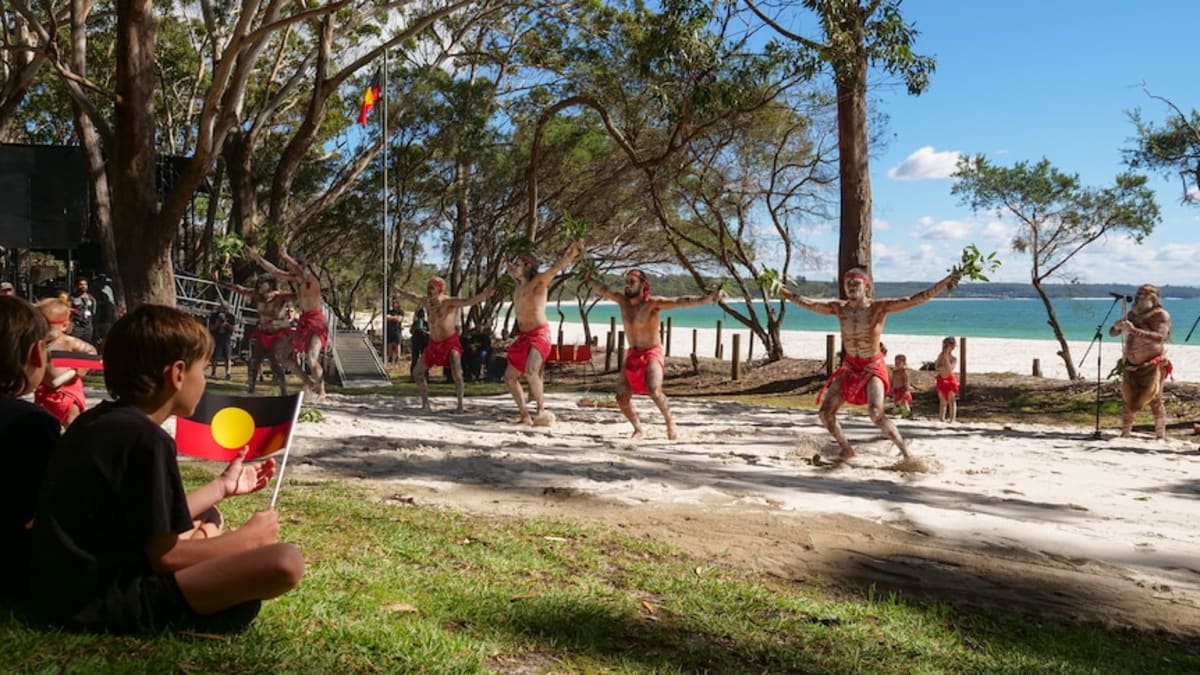
The announcement came during celebrations marking 30 years since the park in Jervis Bay, New South Wales, was handed back to traditional owners. Chair of the Joint Board Beverley Ardler delivered the news to cheering crowds: "We as Wreck Bay people are going, enough's enough, we're not waiting another 60 years, we're taking it right here, right now."
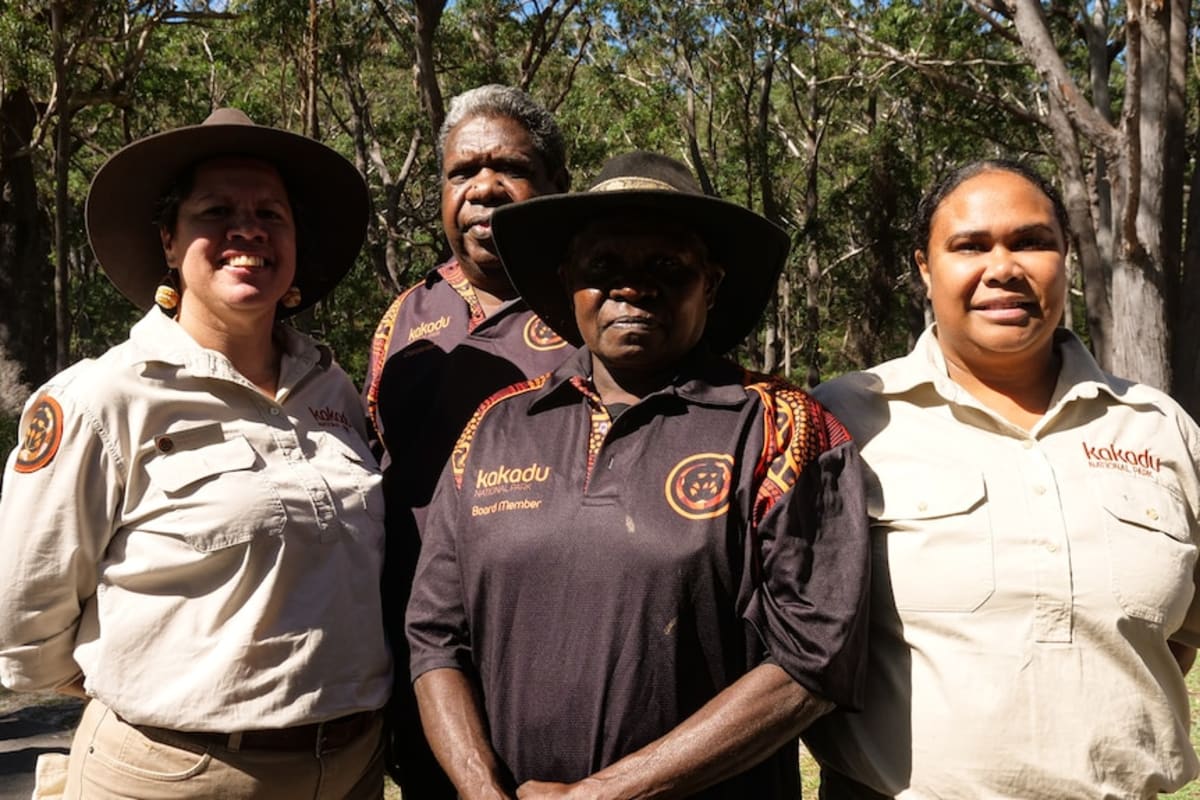
Booderee is currently one of only three Aboriginal-owned national parks in Australia that share management with Parks Australia. The others, Uluru-Kata Tjuta and Kakadu, both in the Northern Territory, remain under joint management after 40 and 43 years respectively.
When the original 99-year lease agreements were signed, the extended timeline was meant to give communities time to build capacity for full management. But Wreck Bay has proven they're ready now.
"We've progressed as parks and we built the capacity within our own community to manage the rest of our land, not jointly but solely," Ardler explained.
Park manager George Brown, who witnessed the original handover as a 12-year-old in 1995, praised the community's determination. "The return of the land in the 90s did not happen easily," he told the gathering at Green Patch. "It happened because you stood firm in what was right and what was fair."
Parks Australia has committed full support for the transition. Director Ricky Archer, a Djungan man, confirmed the department will work closely with Wreck Bay to develop a clear pathway to sole management.
The Ripple Effect
This historic shift sends a powerful message across Indigenous communities nationwide. By demonstrating that traditional owners can build management capacity faster than government timelines anticipated, Wreck Bay is creating a blueprint for self-determination that other communities might follow.
The 30th anniversary celebrations brought the achievement full circle. The Doonooch Dancers performed a smoking ceremony, and the community launched their first-ever book of oral histories, "Bugiya, Nhaway, Buraadja" (yesterday, today, tomorrow).
The book captures voices from elders to children, preserving stories that span generations. "What better time than today to launch it on the 30th anniversary of the hand back of country," said Kain Ardl, the community's cultural heritage officer.
In two years, Wreck Bay will prove that Indigenous communities don't need a century to reclaim what's rightfully theirs.
More Images


Based on reporting by ABC Australia
This story was written by BrightWire based on verified news reports.
Spread the positivity!
Share this good news with someone who needs it