Aboriginal Elders Return Ancestor to Rottnest Island
Thirty Aboriginal elders and community members honored an ancestor discovered during construction work on Rottnest Island, performing a traditional burial ceremony that brought together Indigenous peoples from across Western Australia. The discovery is sparking meaningful steps toward truth-telling about the island's history as an Aboriginal prison.
When construction workers discovered human remains on Rottnest Island last month, Aboriginal elders from across Western Australia knew exactly what needed to happen next.
The bones, found during work on a bus stop expansion near Holy Trinity Church, belonged to an Aboriginal person. Forensic testing confirmed what many already suspected about the island, located 19 kilometers off Perth's coast.
Rottnest Island, now a popular tourist destination, served as an Aboriginal prison from 1838 to 1931. State records show more than 3,700 men and boys from across Western Australia were imprisoned there, with hundreds dying and buried in unmarked graves.
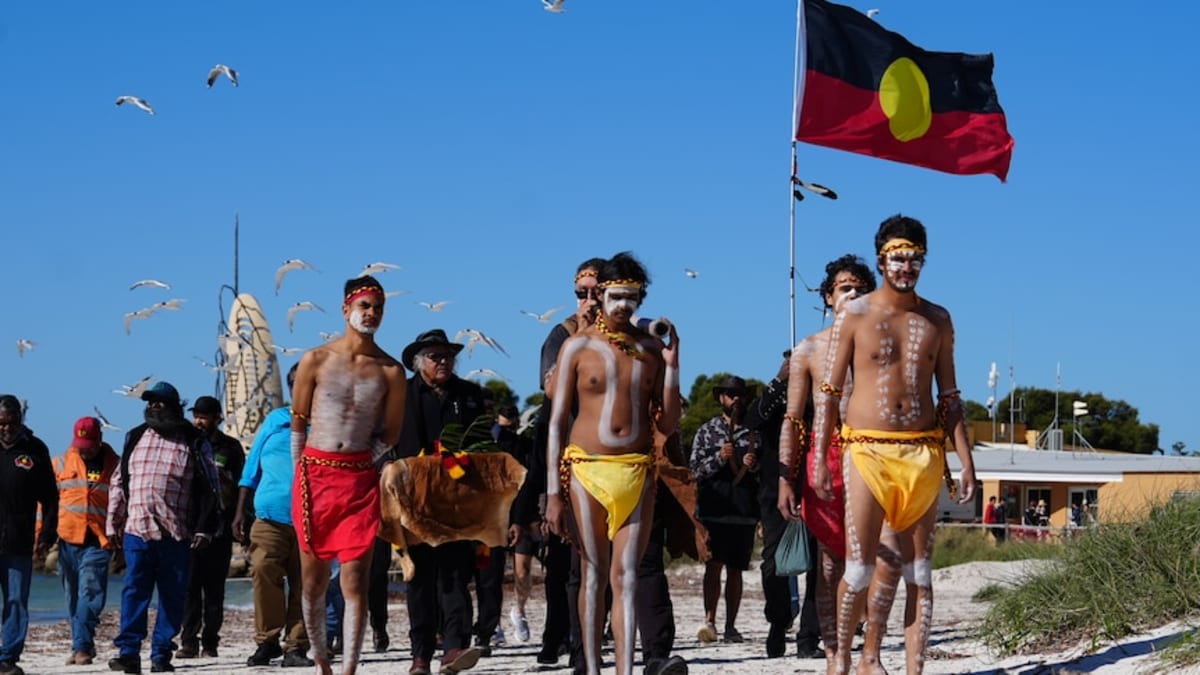
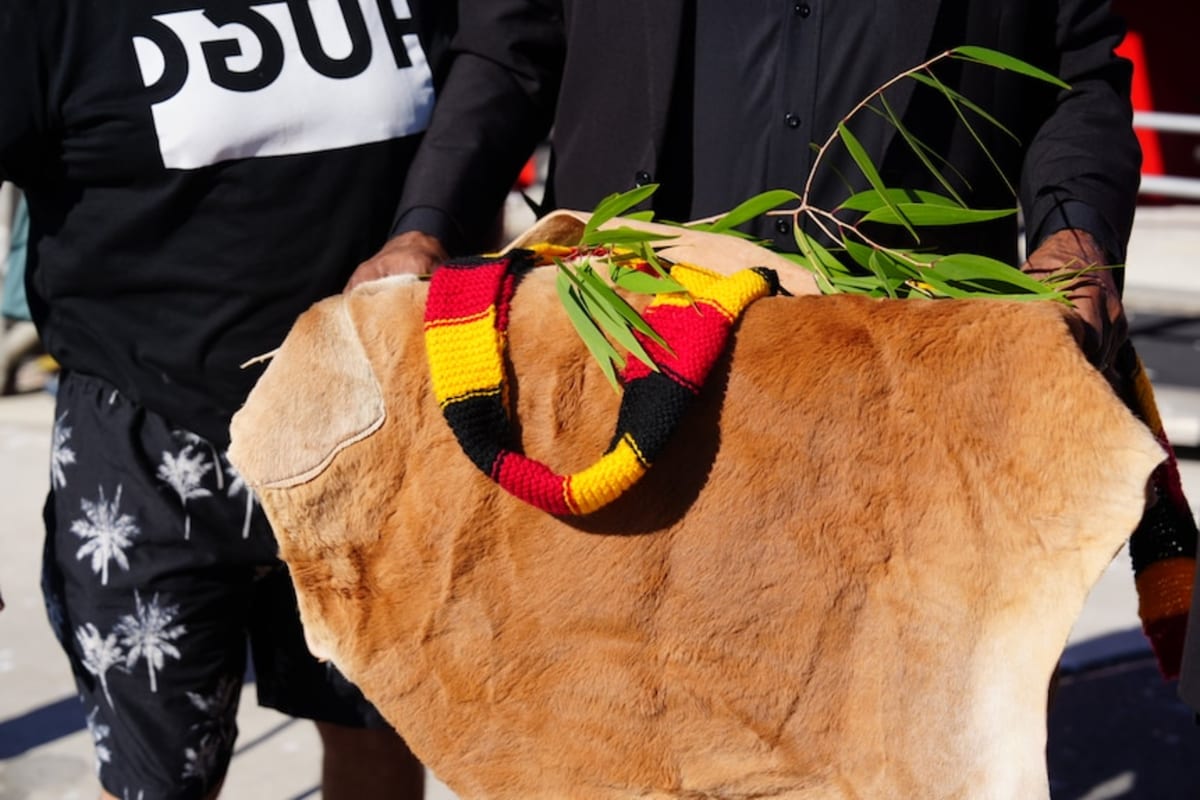
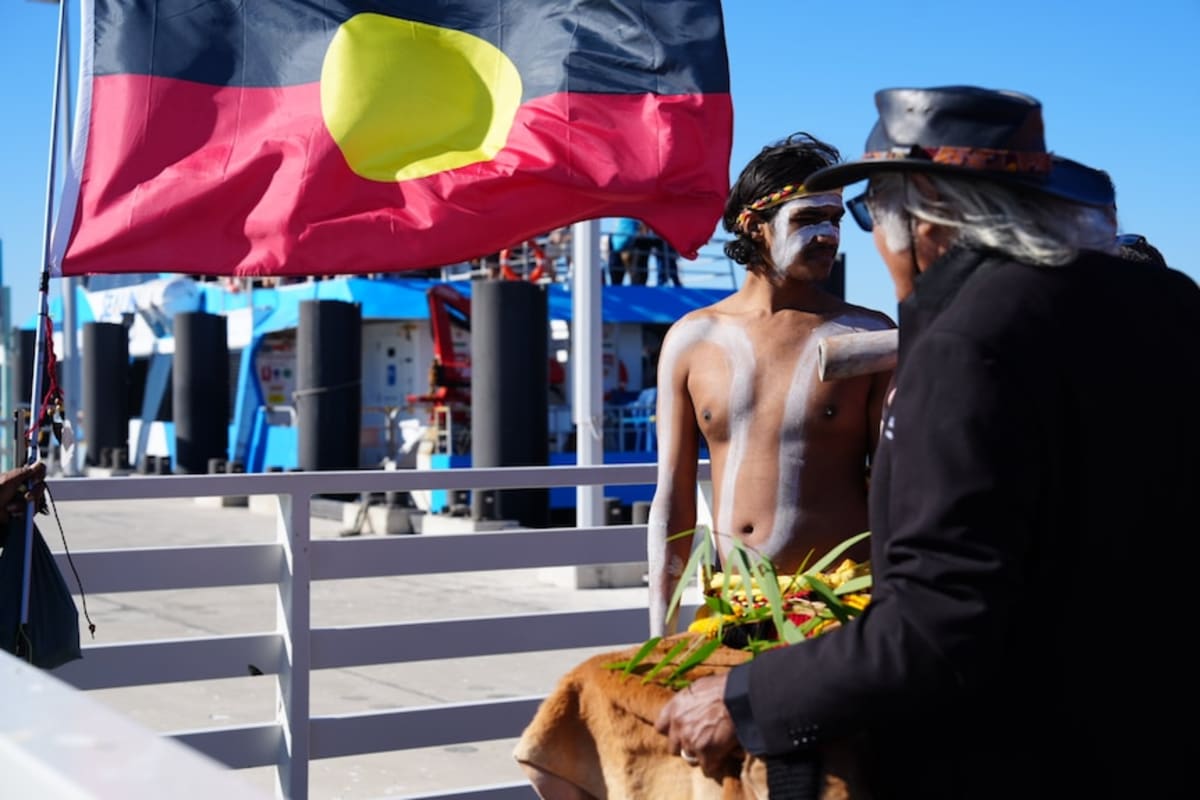
Last Saturday, roughly 30 people gathered to return the remains to the island for a culturally appropriate burial. The ceremony included wrapping the bones in paperbark and a traditional smoking ceremony, bringing together Noongar, Martu, and other Aboriginal groups.
"I felt peace when we buried that person," said James Webb, a Noongar man who played didgeridoo during the ceremony. "It united all the state, because people from all over the state were incarcerated in the harsh conditions in this place."
Melvin Farmer traveled 1,800 kilometers from the East Pilbara to participate. "Could be our relation, our long-lost ancestor," he explained, describing the ceremony as deeply significant.
The Ripple Effect
The discovery halted construction and prompted a ground-penetrating radar survey of the entire work area. The survey identified 12 additional possible burial sites that will be investigated starting this week.
Mr. Farmer sees this moment as a crucial step toward truth-telling about Aboriginal history. He's calling for DNA testing to determine which cultural group the person belonged to, hoping to "join that missing link" between present-day communities and their ancestors.
The discovery comes as part of the broader Wadjemup Project, which aims to educate visitors about the island's true history. A memorial for 373 unmarked graves at the Wadjemup Aboriginal Burial Ground is expected to be completed later this year.
Former prison buildings that once housed tourists have been closed and are being restored to their original appearance. The island is slowly transforming from a place that buried its painful past to one that honors it.
One ancestor has finally come home, reunited with country through the care of community members who refused to let them be forgotten.
More Images

Based on reporting by ABC Australia
This story was written by BrightWire based on verified news reports.
Spread the positivity!
Share this good news with someone who needs it