Abraham Accords Mark 6 Years of Middle East Peace Progress
Six years after Israel, UAE, and Bahrain signed the Abraham Accords, the historic peace agreement continues expanding diplomatic ties across the Middle East. New countries may join within months as regional cooperation grows.
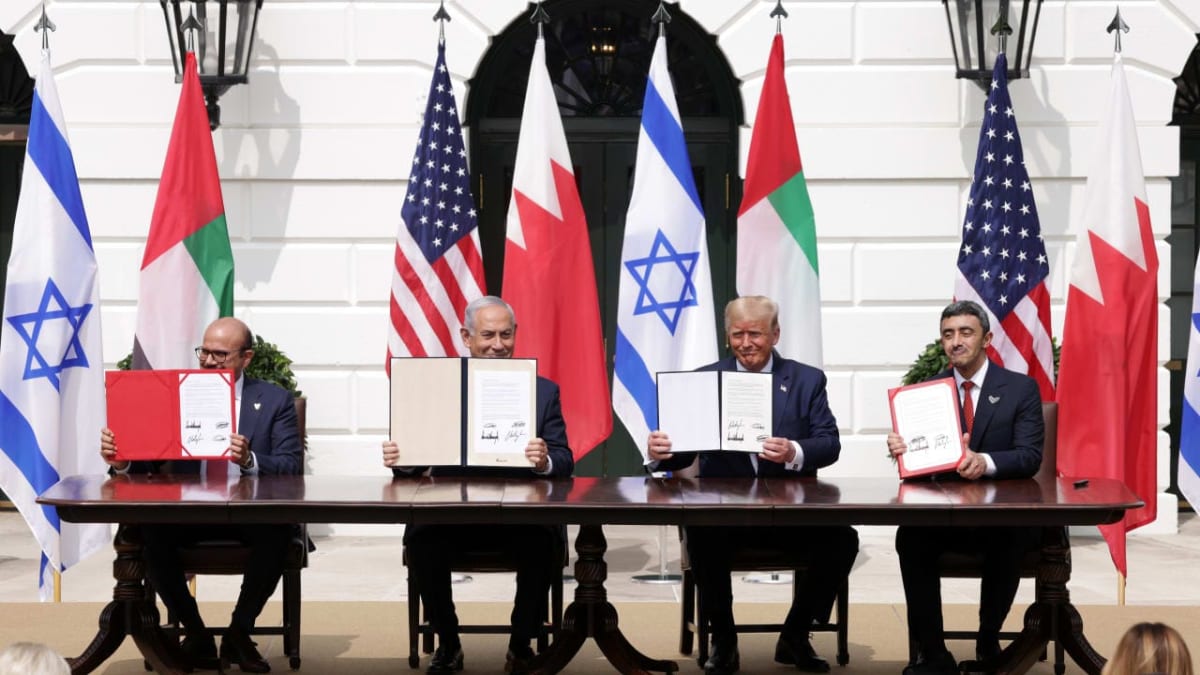
Six years ago this week, a handshake at the White House changed the face of Middle East diplomacy. Israel, the United Arab Emirates, and Bahrain signed the Abraham Accords on September 15, 2020, opening new pathways for peace in a region long defined by conflict.
The US-mediated agreement marked a turning point in relations between Israel and its Arab neighbors. What started with three countries has grown to include Morocco, Kazakhstan, Sudan, and Somaliland, proving that cooperation can replace decades of division.
Today, Israeli ambassadors serve in countries that once refused to recognize their nation's existence. Trade flows freely across borders that were previously closed, and citizens from these countries visit each other's nations for business and tourism.
"Six years on, the future is just beginning," Israel's Foreign Ministry declared this week. The sentiment reflects the expanding possibilities these agreements have created for the region.
The partnerships have delivered tangible results beyond symbolic gestures. Israel and member nations now collaborate on security, technology innovation, and economic development, creating opportunities that benefit millions of people across the region.
Ambassador Yossi Shelley, Israel's envoy to the UAE, believes momentum continues building. He estimates another country could join the accords within four to six months, though geopolitical challenges have slowed some negotiations.
Lebanese lawmaker Fouad Makhzoumi recently stated that Lebanon could pursue membership once internal security concerns are resolved. His comments suggest that even countries with complicated histories see value in the normalization framework.
The Ripple Effect spreads beyond official diplomatic channels. Students from Abraham Accords countries now study together at universities throughout the region. Business partnerships have created jobs and economic growth. Cultural exchanges have built understanding between people who rarely interacted before these agreements existed.
The accords demonstrate that dialogue can triumph over distrust when leaders choose cooperation over conflict. While challenges remain and progress sometimes stalls, the foundation built six years ago continues supporting new bridges across old divides.
Regional experts note that the US is developing strategies to expand these partnerships further in coming years. The focus remains on strengthening ties between Israel and American allies while containing regional tensions.
Six years later, the Abraham Accords stand as proof that peace agreements can endure and grow even amid regional turbulence. They show what becomes possible when nations choose partnership over hostility, creating a roadmap for others to follow.
More Images

Based on reporting by Google News - Uae Innovation
This story was written by BrightWire based on verified news reports.
Spread the positivity!
Share this good news with someone who needs it