Activist Turns Delhi Pollution Into India Rewilding Project
After toxic air damaged his health, Delhi activist Jai Dhar Gupta transformed a dead eucalyptus plantation into a thriving biosphere. His private conservation project is now inspiring neighboring landowners to rewild collectively across India.
Choking on Delhi's toxic air pushed Jai Dhar Gupta to do something radical: he began transforming degraded land into a living forest.
The activist purchased a patch of former eucalyptus plantation on the edge of Rajaji National Park after his own health deteriorated from India's worsening pollution crisis. What was once lifeless monoculture is now becoming a rewilded biosphere teeming with returning wildlife.
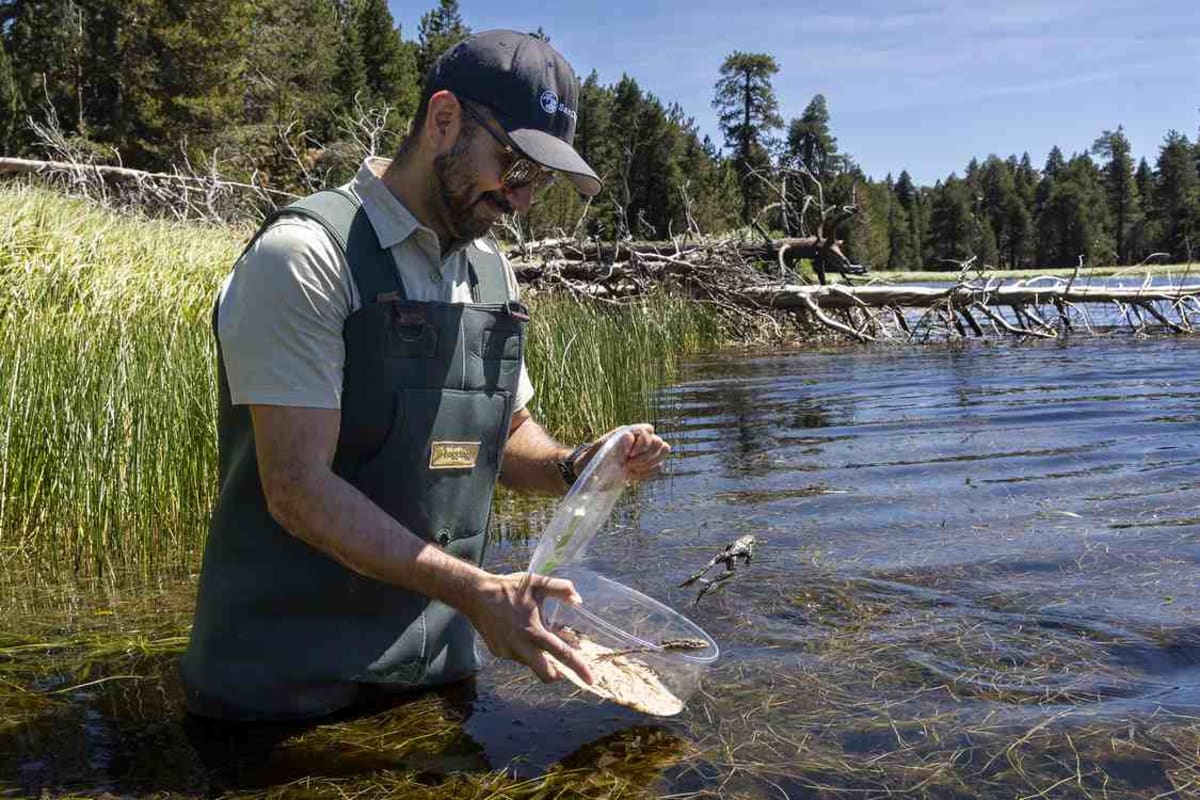
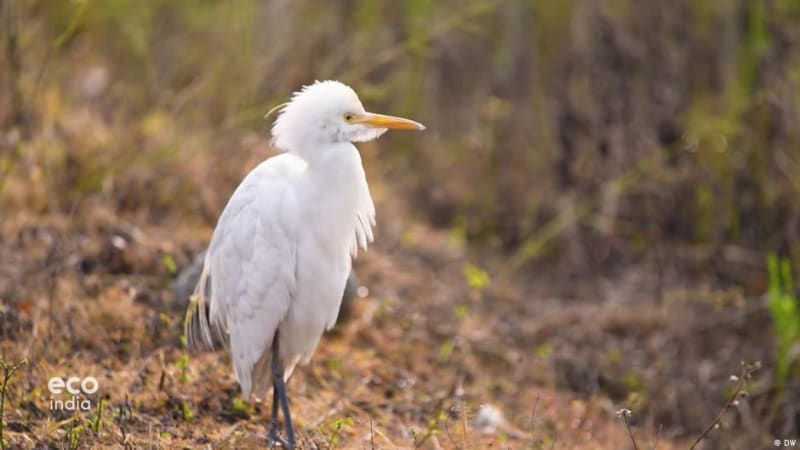
Working alongside ecologist Vijay Dhasmana, Gupta removed the non-native eucalyptus trees and restored the land's natural contours. The team carefully tracks biodiversity improvements as native species return to reclaim their habitat. Every new bird call and sprouting seedling signals the forest's recovery.
The project demonstrates how individual action can spark meaningful ecological restoration in a country facing severe environmental decline. While the biosphere remains small, its impact reaches beyond its boundaries. The transformation proves that private citizens can take responsibility for forest recovery without waiting for government action.
The Ripple Effect
Gupta's success caught the attention of landowners in southern India who want to try rewilding themselves. He's now planning a second biosphere where neighbors can restore degraded land collectively. This collaborative model could multiply the environmental benefits while inspiring similar projects across the country.
The timing couldn't be more critical as India struggles with both pollution and habitat loss. Cities like Delhi regularly rank among the world's most polluted, affecting millions of residents' health. Meanwhile, decades of monoculture plantations and development have stripped the land of its natural diversity.
Gupta's journey from pollution victim to conservation leader shows how personal crisis can fuel positive change. His willingness to invest in restoration rather than simply escape the problem offers a blueprint others can follow. Each rewilded acre becomes a small solution to India's overlapping ecological challenges.
The collective rewilding model emerging in southern India could prove even more powerful than individual efforts. When neighbors work together to restore entire landscapes, wildlife corridors reconnect and ecosystems function more completely. The shared commitment also builds community resilience against future environmental threats.
What started as one person's response to breathing toxic air is growing into a citizen-led conservation movement that could help heal India's degraded lands one biosphere at a time.
Based on reporting by Google News - Reforestation
This story was written by BrightWire based on verified news reports.
Spread the positivity!
Share this good news with someone who needs it