Adelaide University Breakthrough Brings 6G Wireless Closer
Australian researchers have cracked a major hurdle in developing 6G wireless technology that could deliver internet speeds 100 times faster than 5G. The team at Adelaide University is building devices using terahertz waves to enable data rates above one terabit per second.
Imagine downloading an entire movie in less than a second, or video calls so smooth they feel like the person is standing right next to you. That future just got a lot closer thanks to researchers in Adelaide, Australia.
Scientists at Adelaide University's Terahertz Engineering Laboratory are creating breakthrough devices that tap into terahertz waves, an almost untapped part of the electromagnetic spectrum sitting between microwaves and infrared light. These waves are the secret ingredient needed to make 6G wireless communication a reality.
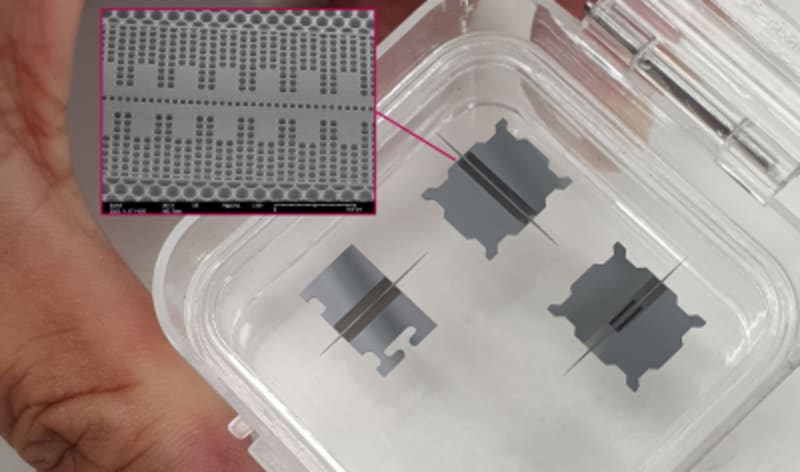
The team is partnering with the Australian National Fabrication Facility to design and manufacture precision components just a few microns wide. Think of it like building a watch with parts so tiny you'd need a microscope to see them.
"We're exploring devices that could enable wireless data rates above one terabit per second across several kilometres," says Professor Withawat Withayachumnankul, who leads the research group. To put that in perspective, current 5G networks top out around 10 gigabits per second under ideal conditions.
The technology isn't just about faster Netflix streaming. Researchers say terahertz devices could revolutionize security screening with safe see-through scanners, improve quality control in manufacturing, help farmers monitor crops more effectively, and even advance radio astronomy by detecting key molecular signatures in space.
Until recently, terahertz waves remained largely inaccessible because the engineering and manufacturing capabilities didn't exist to harness them. New advances in microfabrication techniques like photolithography and deep reactive ion etching have changed that.
The Adelaide team relies on approximately $30 million worth of specialized equipment to create their intricate silicon components. Dr. Jing-Ho Pai, who leads the microfabrication team, describes the painstaking precision required: "These silicon components are extremely precise, often perforated with patterns just a few microns wide."
The Ripple Effect
The hardware coming out of this Adelaide lab will likely form the foundation for 6G networks worldwide. Unlike previous wireless generations that incrementally improved speed, 6G represents a fundamental leap forward by fully integrating terahertz frequencies for the first time.
This means wireless speeds vastly beyond anything possible today, with ultra-low latency that could enable technologies we're only beginning to imagine. Think real-time holographic communication, instant cloud computing, advanced autonomous vehicles that communicate seamlessly, and smart cities where billions of devices connect without lag.
The collaboration between researchers and fabrication specialists shows how combining innovative thinking with deep technical expertise creates breakthroughs. By working together from the early design stage, they've been able to troubleshoot challenges and ensure devices can be manufactured reliably with the precision required.
While 6G networks aren't expected to roll out commercially until around 2030, the foundational work happening now in Adelaide is helping make that timeline possible. With their vast bandwidth, sensing capabilities, and ultra-low latency, terahertz waves are becoming the cornerstone of future telecommunications.
The race toward 6G is accelerating, and Australian researchers are helping lead the way.
Based on reporting by Google News - Tech Breakthrough
This story was written by BrightWire based on verified news reports.
Spread the positivity!
Share this good news with someone who needs it