Adelaide VR Town Helps Stroke Survivors Find Their Voice
Ordering a morning coffee can feel daunting when words slip away after a stroke. Now, an innovative virtual town created by Adelaide researchers is helping survivors rebuild their conversational confidence in a zero-pressure world.
Imagine knowing exactly what you want to say, yet the words refuse to leave your mouth. For millions of stroke survivors navigating aphasia, a simple trip to a local bakery can trigger intense anxiety.
Now, researchers at the University of Adelaide have built a digital haven to turn that struggle into strength. Their project, called VITAL, creates a virtual reality town square powered by artificial intelligence where people can practice everyday conversations without fear.
Inside this simulated neighborhood, users explore familiar destinations like cafes, grocery aisles, and hair salons. Friendly virtual locals engage in patient, interactive chats, giving users the space to practice ordering goods and greeting neighbors at their own pace.
The team tailored the responsive system to adapt to each speaker's natural rhythm. This personalized feedback transforms speech practice into genuine, low-stress progress.
In Australia alone, about 140,000 people live with aphasia, a language condition that often follows a stroke or brain injury. While speech therapy teaches vital recovery techniques, stepping directly into unpredictable real-world interactions often feels like an intimidating leap.
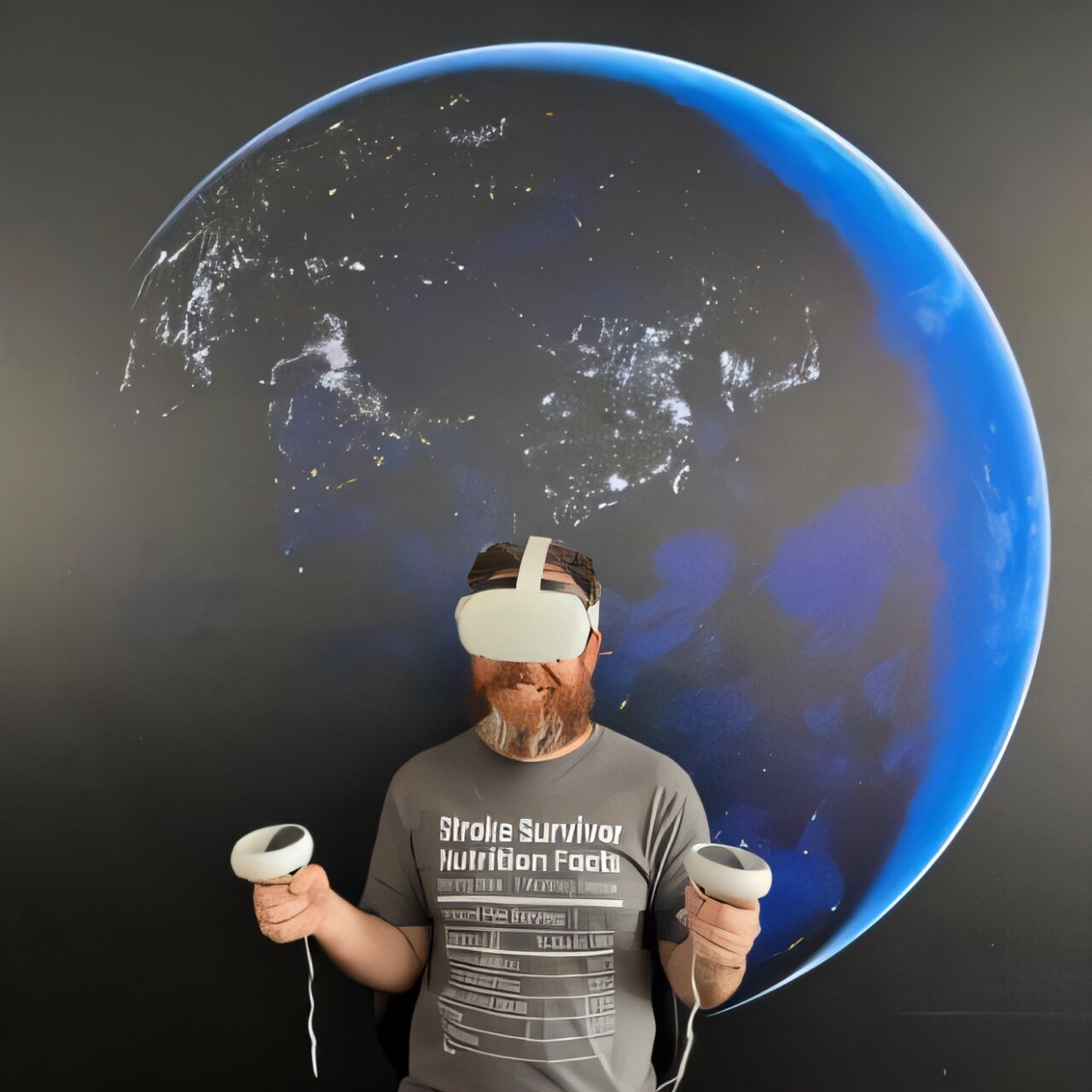
For project manager Dr. Matthew Berryman, the breakthrough hits close to home. As a stroke survivor who experienced word-finding difficulties, Berryman designed a virtual cafe specifically to test his own speech recovery.
He practiced placing orders and chatting with baristas repeatedly without the worry of holding up a busy line. When Berryman finally walked into a real cafe to order coffee, he discovered he felt calm, fluent, and self-assured.
Led by Professor Maria Kambanaros, the research team co-designed the platform directly with survivors, families, and speech pathologists. The program will soon welcome clinicians directly into the virtual world for remote telehealth sessions and live group support.
The Bright Side
By turning speech therapy into an engaging digital adventure, this technology removes the stigma and panic from daily communication. Stroke survivors can now hone their social skills safely at home, discovering renewed independence long before they face the busy rush of the high street.
With every virtual order placed and conversation shared, this thoughtful innovation is helping people reconnect with the world one word at a time.
More Images
Based on reporting by Phys.org
Reset Your Focus With Today’s Daily Affirmations & Mood Check
Take a 60-second mindful pause with curated daily affirmations and our private positivity mood tracker.
Spread the positivity!
Share this good news with someone who needs it