Afghan Women's Soccer Team Makes History From Exile
Afghan women banned from sports at home just won FIFA recognition to compete as an official national team. They're training across the world and fighting back with every game they play.
Afghan women are officially back on the soccer field, and this time the world is watching.
FIFA announced in April 2024 that Afghan women can once again represent their country in official international matches and competitions. The decision came after three years of relentless advocacy since the Taliban banned women from playing sports in 2021.
"This was a huge victory for us, a wonderful moment, and one of the moments we're most proud of," said Khalida Popal, former captain and founder of Girl Power organization. "Once again, the women of our country have made history and brought about change."
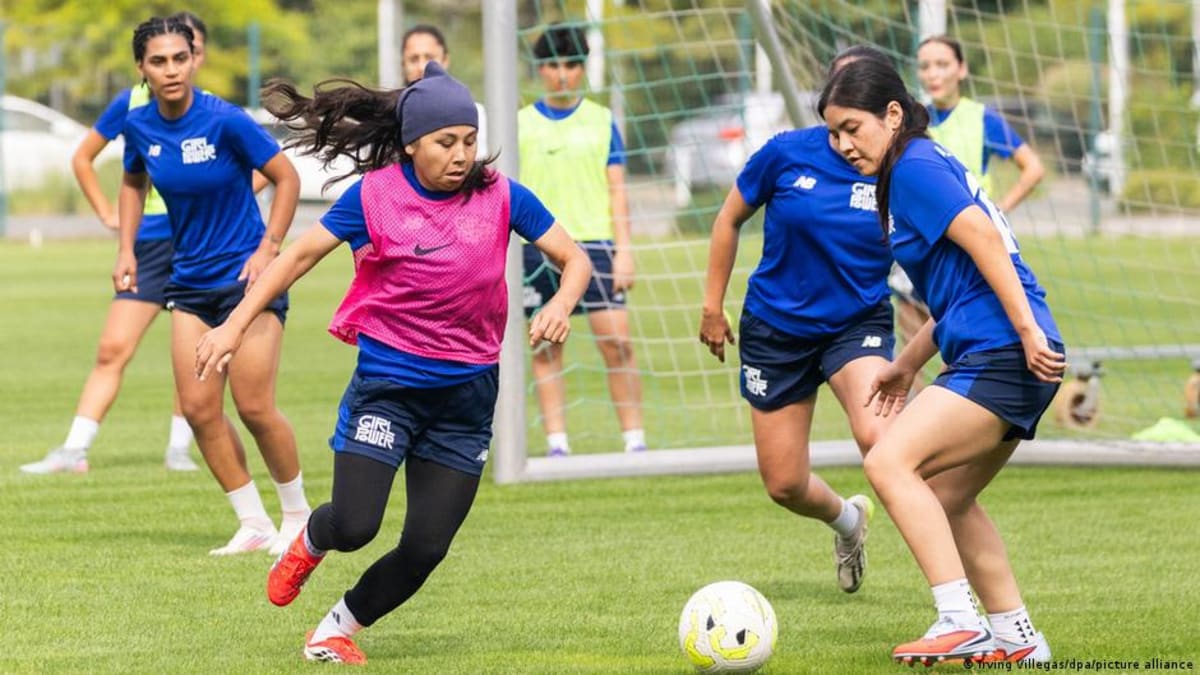
The team has no home field. Players are scattered across England, Italy, Portugal, Germany, and Australia, traveling thousands of miles just to practice together. They recently gathered at Bundesliga club Wolfsburg's training grounds in Germany, where they're doing exactly what remains forbidden in Afghanistan: playing soccer.
Midfielder Maryam Karimi, now living in Portugal after fleeing Afghanistan, calls the FIFA decision more than just paperwork. "I'm incredibly proud that we can now officially play as a national team," she said. "I hope that one day we'll be able to play in Afghanistan again with this team."
The challenges are massive. There's no domestic league to develop young talent, no federation support, and no funding from the country they represent. The Afghan Football Federation still refuses to recognize the women's team.
So they're building their future in exile, reaching out to the Afghan diaspora for players who may never have kicked a ball in Afghanistan but can still represent their heritage.
The Ripple Effect
Every match these women play sends a powerful message back home. "When the players take the field, they're also playing for those women in Afghanistan who aren't allowed to," Popal explained.
Karimi sees soccer as her megaphone. "I can make my voice heard through the way I play football," she said. "I can make my voice heard from the field."
The team relies on international support to organize training camps. Volkswagen and Wolfsburg made this summer's camp possible, but Popal knows more partnerships are needed to build sustainable structures for Afghan women's soccer.
Despite years fighting for basic human rights, Popal refuses to lose hope. She sees today's players as tomorrow's coaches, academy directors, and maybe even Afghanistan's future leaders.
"I believe that Afghanistan won't stay this way forever. These dark days will pass," Popal said. "These girls will be the next coaches of the Afghan women's national team, the next directors of football academies, the next president, or the next ministers of our country."
For now, they're a national team without a nation, but they're playing anyway.
Based on reporting by DW News
This story was written by BrightWire based on verified news reports.
Spread the positivity!
Share this good news with someone who needs it