Africa Adds Record 11.3 Gigawatts of Clean Energy in 2025
Solar and wind power are now overtaking coal and hydropower as Africa's energy source of choice, with renewable capacity tripling in just one year. The shift promises faster, cheaper electricity for a continent racing to power its growth.
Africa just became the surprise leader in the global renewable energy revolution, tripling its clean power capacity in a single year.
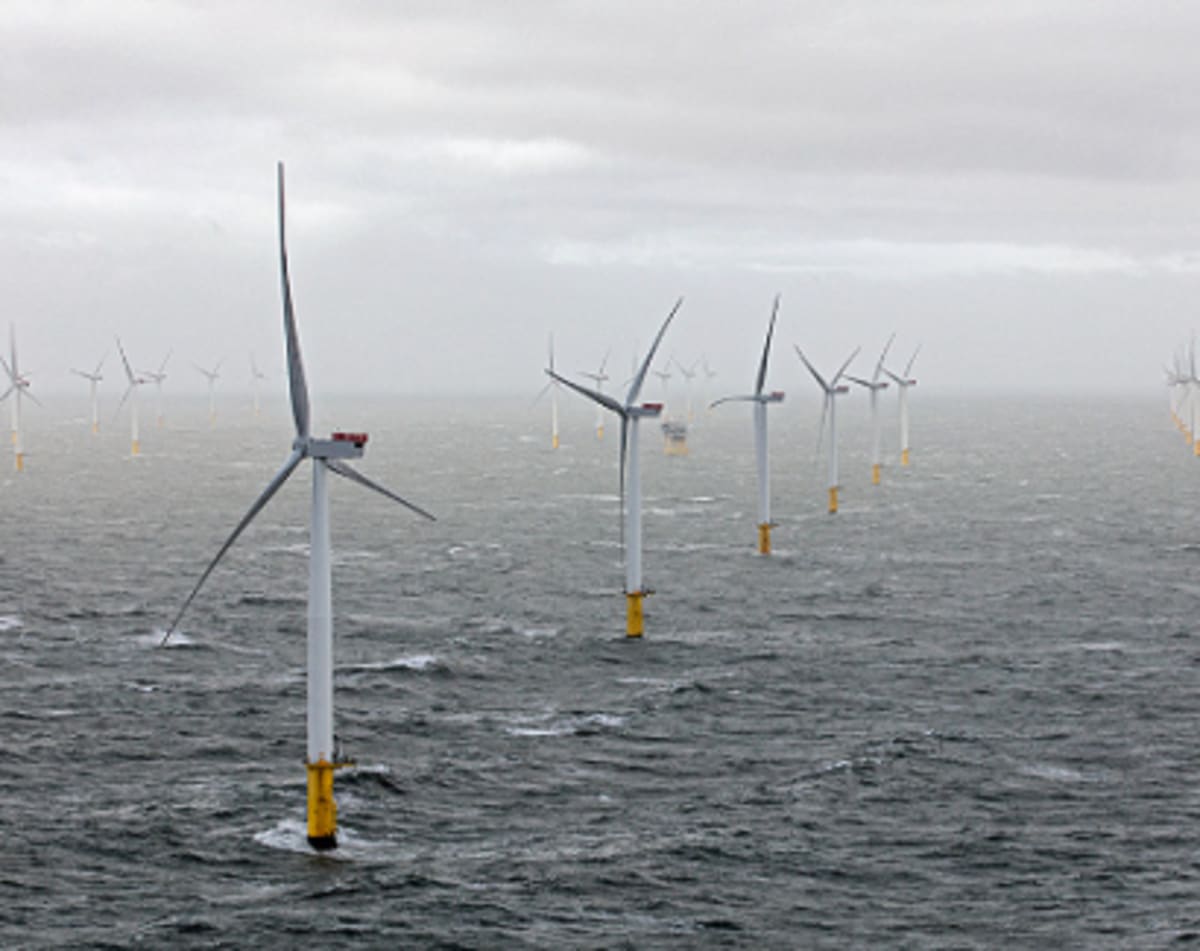
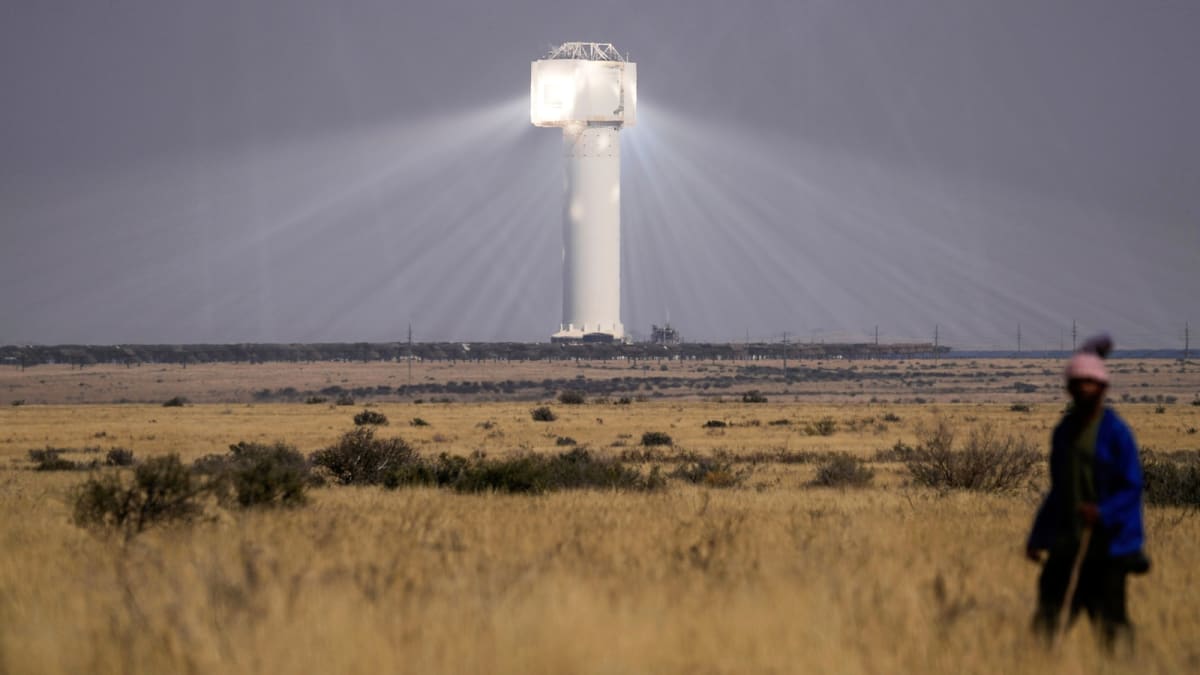
The continent added a record 11.3 gigawatts of renewable energy in 2025, mostly from solar and wind projects that are proving faster and cheaper to build than traditional power plants. Of 322 new energy projects announced last year, 173 were solar, dwarfing the 46 hydropower and 22 gas projects in the pipeline.
The economics tell a compelling story. Solar power costs have dropped 90% globally since 2010, while wind costs fell 70%. That makes renewables the cheapest way to generate electricity across most African markets.
Matt Tilleard, CEO of CrossBoundary Energy, is seeing the change firsthand. His company is building a 233-megawatt solar and battery project at a copper mine in the Democratic Republic of Congo. The project went from signing to 80% completion in just one year. Compare that to coal plants, which can take 12 years to finish, or major dams that often need a decade or more.
The speed matters for African countries struggling with unreliable grids and rising fuel costs from global conflicts. Solar panels and batteries can power mines, factories, and homes without waiting for national utility grids to catch up.
China recently signed a $1.5 billion energy deal with Zambia covering solar, wind, and coal projects. While coal still plays a role for stable baseload power, the inclusion of 600 megawatts of renewable capacity signals where the continent is headed.
South Africa, Egypt, and Ethiopia led the charge in 2025. Ethiopia even became the first country to ban imports of gas-powered vehicles, accelerating its electric vehicle adoption. South Africa relaxed limits on private power generation, sparking a surge in industrial renewable projects.
The Ripple Effect
The renewable boom is reaching far beyond official statistics. Government figures track 23.4 gigawatts of operational solar projects across Africa by the end of 2025. But Chinese export data shows 58.1 gigawatts of solar panels shipped to African countries since 2017, suggesting actual adoption may be more than double what's officially recorded.
That gap comes from distributed solar systems installed directly at mines, cell towers, farms, and homes. These don't connect to national grids, so they fly under the radar of traditional energy tracking.
Investors are jumping in because renewable projects generate returns within 18 months instead of waiting years for massive infrastructure to come online. The projects also avoid exposure to volatile global fuel prices that have squeezed African budgets.
Challenges remain, especially around financing. Lending costs for African renewable projects run triple those in wealthy countries due to perceived risks. Development banks are stepping in with special loans and guarantees to bridge the gap.
"Africa is not on the periphery of the global energy transition, it is sitting at its center," said Mugwe Manga, climate finance lead at FSD Kenya. The continent holds some of the world's best solar and wind resources, and the economics finally match the opportunity.
The energy revolution sweeping Africa proves that leapfrogging old technology isn't just possible, it's already happening at record speed.
More Images




Based on reporting by Google News - Clean Energy
This story was written by BrightWire based on verified news reports.
Spread the positivity!
Share this good news with someone who needs it