Africa Builds Its Own Clean Energy Future
African nations are no longer waiting for outside solutions to the climate crisis. Homegrown institutions are funding solar farms, clean power projects, and green manufacturing that prove climate action and economic growth can happen together.
Despite contributing less than 4% of global emissions, Africa faces some of the worst climate impacts on Earth. But instead of waiting for broken promises from wealthy nations, African institutions are building their own path to a green future.
The African Export-Import Bank just released a groundbreaking report showing how the continent is funding its own climate solutions. From solar projects in Cameroon to stable clean power for Nigerian businesses, these aren't just environmental wins. They're nation-building projects that create jobs, train engineers, and strengthen local economies.
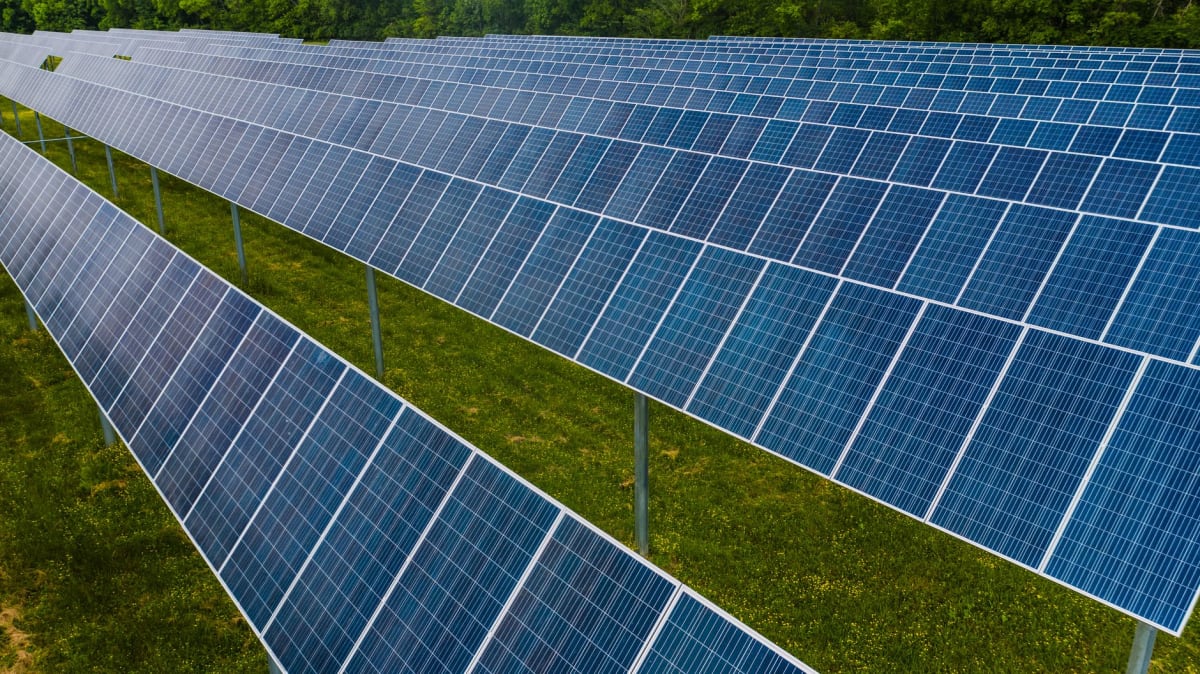
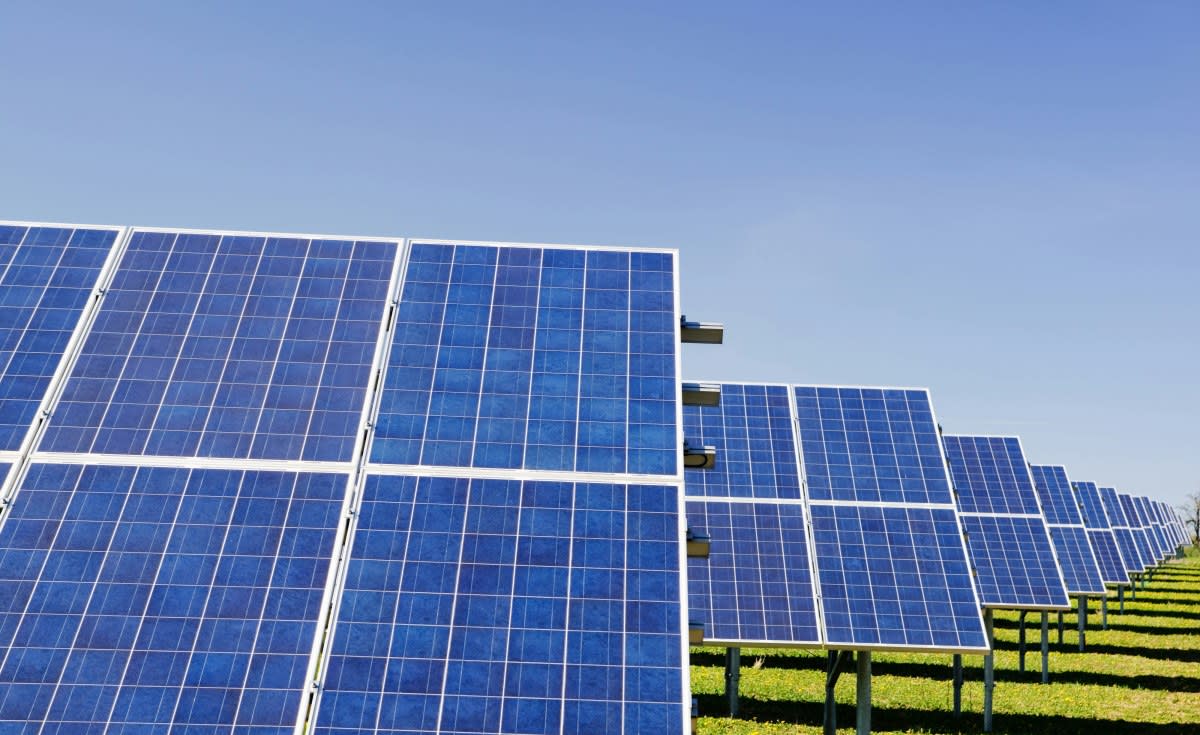
The Aba Integrated Power Project in Nigeria shows exactly how this works. The facility delivers clean gas power to small businesses, cutting emissions while boosting productivity and creating local jobs. Solar farms across the continent are doing the same thing, building electricity grids while training a new generation of clean energy workers.
This approach flips the old climate finance model on its head. African leaders are treating climate investments as development investments because that's exactly what they are. When you build a solar farm, you're not just generating clean power. You're manufacturing components locally, creating skilled jobs, and building energy independence.
The shift got a boost at last year's UN climate conference in Brazil. The Belém Package acknowledged something long overdue: the world can no longer design climate solutions for Africa without meaningful African input. It's a profound change in how global climate policy works.
The Ripple Effect
This transformation reaches far beyond Africa's borders. When African nations industrialize using clean energy from the start, they're creating a blueprint for sustainable development that works. They're proving you don't have to choose between fighting poverty and fighting climate change.
The continent's financial institutions are developing innovative tools to make it happen. New facilities are mobilizing sustainable investments, creating de-risking instruments, and attracting private capital to climate-friendly projects. They're building what one expert called "landing strips for global investment" that direct money toward projects serving both climate and development goals.
The numbers tell the real story. Africa needs $1.6 trillion to meet UN development goals by 2030, and traditional finance isn't delivering. So African institutions are creating their own solutions through blended finance models, trust funds, and project-driven instruments that get results.
These aren't small pilot programs. They're large-scale initiatives building low-carbon manufacturing hubs, localizing green supply chains, and creating climate-resilient infrastructure across the continent. Every project strengthens Africa's position as both an environmental leader and an economic force.
The message from African leaders is clear: they're not looking for charity. They want to be treated as equal trading partners in a global green transition. Supporting Africa's clean energy future isn't just the right thing to do. It's the only viable path to global climate resilience and fair economic growth.
Africa is forging one of the defining growth opportunities of the 21st century, on its own terms and with its own resources.
Based on reporting by AllAfrica - Headlines
This story was written by BrightWire based on verified news reports.
Spread the positivity!
Share this good news with someone who needs it