Africa CDC Leads Major Ebola Response in Central Africa
Half a century after the first Ebola outbreak was stopped in four months, African nations are now taking the lead in fighting the current outbreak with their own scientific infrastructure and coordinated response. The Africa CDC in Addis Ababa is coordinating efforts, with $500 million pledged internationally and countries like Nigeria, Rwanda, and Uganda stepping up with stronger surveillance and treatment capacity.
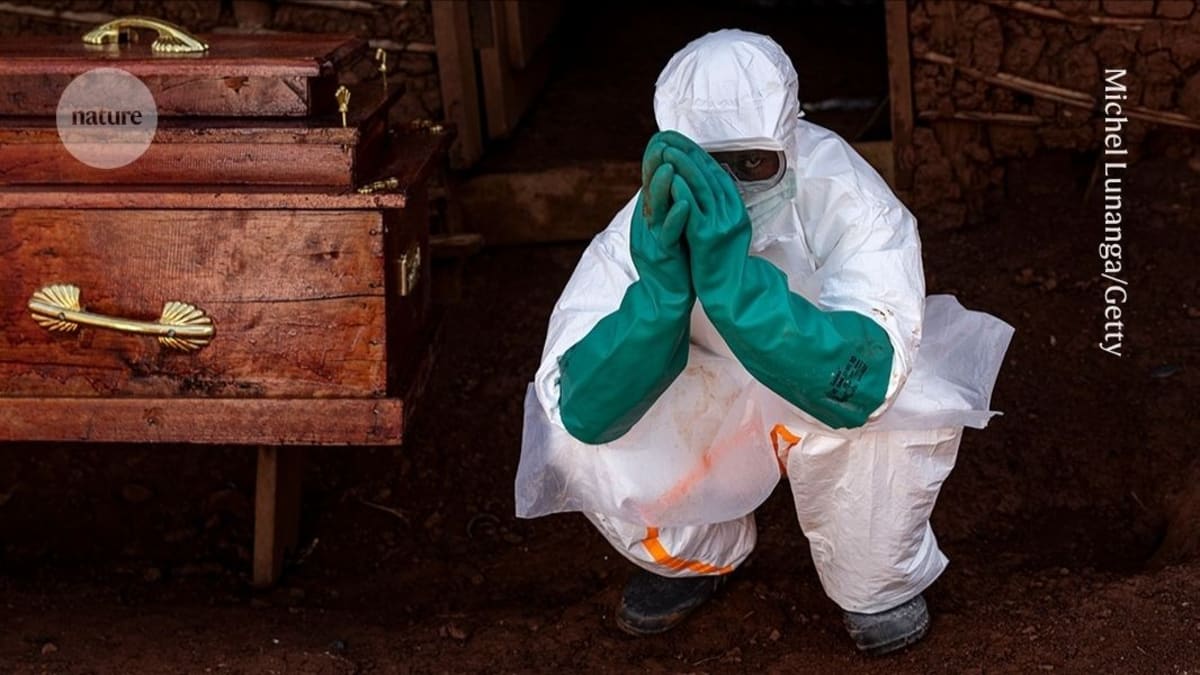
Fifty years ago, researchers and health workers came together to identify an unknown disease and stopped it in just four months. That first Ebola outbreak in what is now the Democratic Republic of the Congo claimed 280 lives, but rapid surveillance, contact tracing, and safe burial practices brought it under control.
Today, Africa is leading its own fight against a new Ebola outbreak, marking a major shift in global health. The Africa Centres for Disease Control and Prevention in Addis Ababa is coordinating the response to the current outbreak, showing how far the continent's public health capacity has come since 1976.
Back then, virus samples had to be sent to Europe and the United States for analysis. Now, affected countries have their own scientific and medical infrastructure right at home. Countries including Nigeria, Rwanda, and Uganda have built strong capacity for surveillance, testing, diagnosis, and treatment.
The international community is rallying behind Africa's leadership. At an online meeting this week, donors pledged $500 million to support the response. Publishers including Springer Nature are making Ebola research freely available to help scientists and health workers access the latest information.
The response goes beyond emergency aid. The Africa CDC has identified twelve countries that need stronger public health systems, including Angola, Burundi, Kenya, Rwanda, South Sudan, and Tanzania. Investment in these systems means funding for research into treatments and vaccines, plus better public health communication.
The Ripple Effect
This outbreak is changing how the world approaches disease prevention in Africa. The continent's leaders are recognizing that protecting public health is not just a moral obligation but an economic necessity. When countries invest in public health, they invest in people's ability to work and support their families.
The Africa CDC launched a report earlier this year urging member nations to strengthen their health systems. That vision is now becoming reality as African nations take ownership of their public health infrastructure rather than relying solely on external support.
Countries that once depended entirely on international help are now building their own capacity to respond to outbreaks quickly. The shift means faster detection, better treatment, and ultimately more lives saved when the next health emergency arrives.
The progress is real, the leadership is African, and the future of public health on the continent is being written right now.
More Images


Based on reporting by Nature News
This story was written by BrightWire based on verified news reports.
Spread the positivity!
Share this good news with someone who needs it