Africa Gets $42M Boost for Science Innovation Through 2034
Six international partners just pledged $42 million to fuel Africa's ambitious 10-year science and innovation strategy. The funding will help African nations build stronger research systems and solve local challenges through homegrown science.
A powerful coalition of global research institutions just invested $42 million in Africa's scientific future, and the timing couldn't be better.
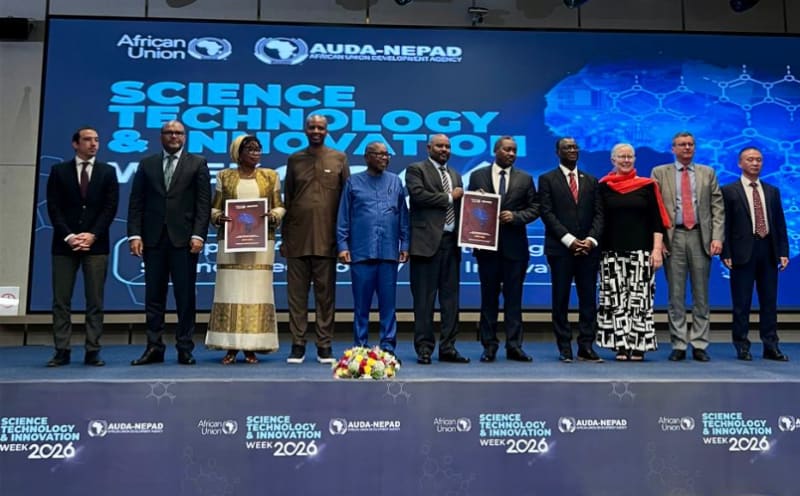
During Africa Science Week on February 10, 2025, in Addis Ababa, six major partners announced funding for Phase 3 of the Science Granting Councils Initiative. Canada's International Development Research Centre, Norway, the UK FCDO, Wellcome Trust, Germany's DFG, and South Africa's National Research Foundation are backing the ambitious project.
The money will support STISA 2034, Africa's comprehensive 10-year science, technology and innovation strategy designed by African nations for African needs. This isn't about outsiders deciding what Africa should research. It's about empowering local scientists and institutions to tackle challenges they understand best.
The Science Granting Councils Initiative has been building momentum since its earlier phases. It strengthens the institutions that fund and support research across the continent, creating sustainable systems rather than one-off projects.
Africa faces unique challenges in healthcare, agriculture, climate adaptation, and infrastructure. When African researchers lead the charge with proper funding and institutional support, solutions emerge that actually work in local contexts. That's exactly what this partnership enables.
The Ripple Effect
This investment reaches far beyond laboratory walls. Stronger science councils mean more young Africans can pursue research careers without leaving home. Better funding mechanisms help universities retain talented professors and attract international collaborations on equal footing.
When African nations control their research agendas, innovation addresses real community needs. Farmers get crop varieties suited to their soil. Doctors develop treatments for diseases that disproportionately affect their patients. Engineers design infrastructure for Africa's specific geography and climate.
The 10-year timeline of STISA 2034 provides stability that researchers desperately need. Scientists can plan long-term studies, universities can invest in equipment, and students can commit to advanced degrees knowing opportunities will exist when they graduate.
South Africa's National Research Foundation joining as both a funder and partner shows the continent's growing capacity to invest in its own scientific future. The model combines international support with African leadership and resources.
Phase 3 builds on lessons learned from earlier initiatives, focusing on what actually works to strengthen research ecosystems. The partners bring diverse expertise from different funding models and scientific traditions.
Every dollar invested in research capacity generates returns for decades. Today's funded PhD student becomes tomorrow's lab director training the next generation. Strengthened institutions attract more funding and talent, creating positive cycles of growth.
With nearly a decade to execute STISA 2034, African science councils can think big while building systematically. The $42 million provides the foundation for a future where Africa contributes equally to global scientific progress.
More Images
Based on reporting by Google News - Africa Innovation
This story was written by BrightWire based on verified news reports.
Spread the positivity!
Share this good news with someone who needs it